



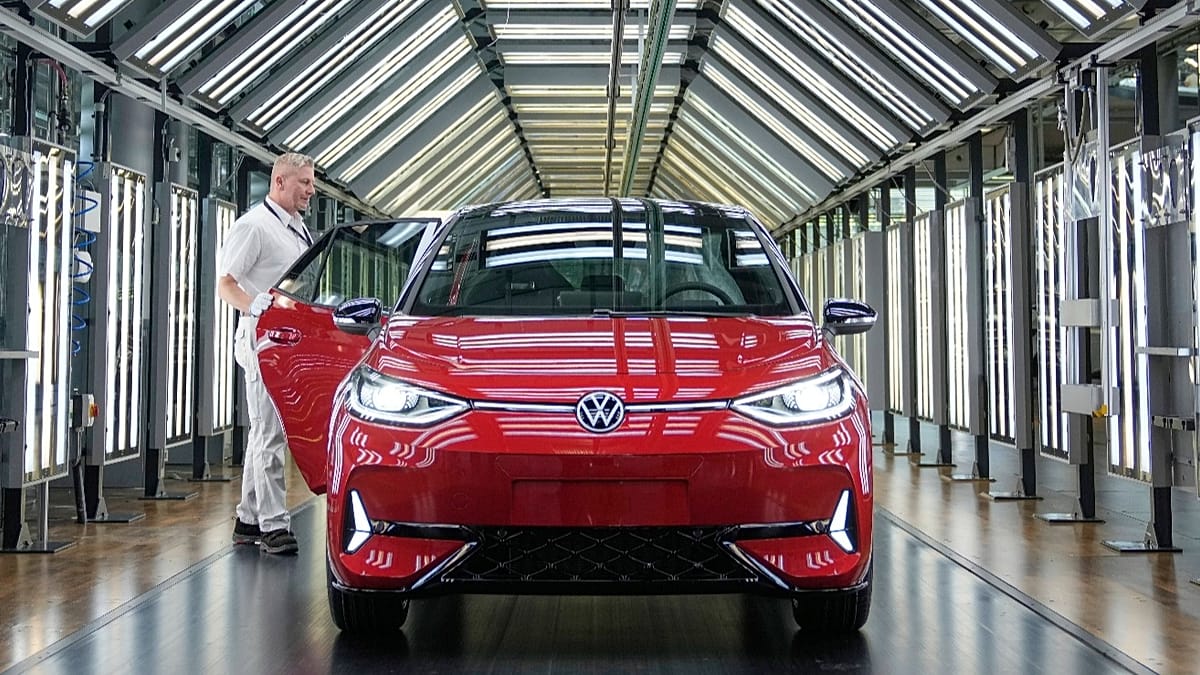



The EU has responded to U.S. and Chinese protectionism by raising trade barriers of its own — new steel tariffs, plus Made in Europe provisions in sectors like automotive and nuclear, will hit all trade partners.
The U.K. is currently in the process of fighting its corner on steel, proposing an alliance that would see the U.K. ultimately exempted. Whether Brussels will agree is another matter.
So far, early drafts of the European Commission’s Made in Europe plans — part of its Industrial Accelerator Act — have let the U.K. and other close allies off relatively lightly. But there are countries in the bloc, like France, that want to take a stronger line and lock out more foreign competitors.
What happens to the red lines?
Some of the issues discussed above are rather technical. But Burnham will also need to get a bit philosophical, too.
Does he want to soften Brexit further than the current slate of agreements — or even ultimately walk it back entirely? What happens to Labour’s manifesto red lines on rejoining the single market, customs union and free movement?
Starmer’s emerging plan was to take the U.K. further into the EU single market in some sectors. But it was far from clear whether Brussels would agree to this, or regard it as out-of-bounds cherry-picking. The message from the EU has been that the U.K’s red lines make it harder to get much closer.
The new prime minister will need an answer to some of these questions by the next U.K.-EU summit, if and when it is rescheduled — likely later in the fall. He’ll also ultimately need to start thinking about what Labour’s next manifesto looks like on the issue.


