
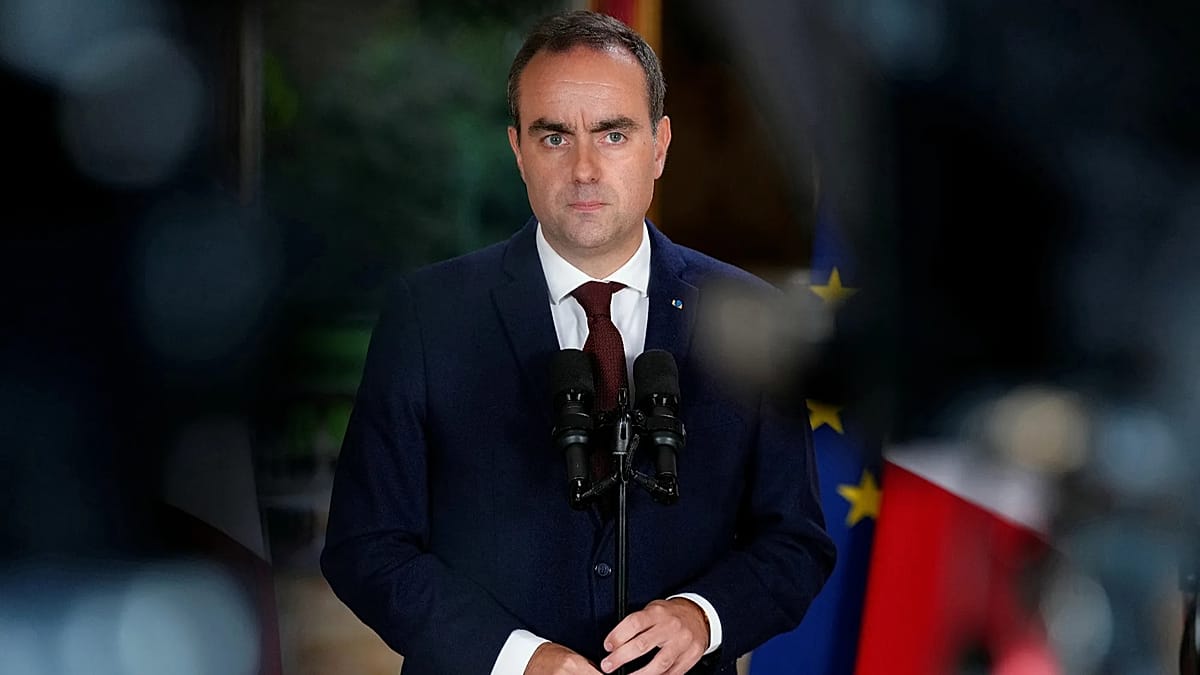

The Prime Minister Sébastien Lecornu wanted to respond to social anger while also taking account of employers’ concerns. At the end of a conference held on Monday morning at Matignon with representatives of employees and employers, the head of government announced several measures aimed at improving purchasing power and encouraging wage increases.
The main announcement concerns the minimum wage, which will be increased by 1.6% from 1 December instead of 1 January 2027. It will thereby reach around 1,502 euros net per month, an increase of 24 euros net a month.
A decree will be published shortly. “This is the second largest increase of the past twenty years“, the Prime Minister stressed.
“Raising the minimum wage is not enough, but it has a major benefit: it kicks off a cycle of discussions on pay rises”, Sébastien Lecornu explained. The head of government also announced the launch of a reform project on “general reductions” in social security contributions, with the aim of increasing the net salary received.
Questioned at a press conference about the time the government was seen as having “wasted” before providing answers, Sébastien Lecornu defended his approach.
“I no longer believe in headline-grabbing announcements… I even think they are killing us”, he said. “When we come before the French people, I want to announce things that work. The government is doing everything it can”, he added, claiming an approach based on concrete measures rather than rushed announcements.
The government wants to reconcile higher wages with business competitiveness
To address the concerns of businesses worried about a rise in labour costs, the government is planning several tax measures in parallel: income tax exemption for overtime up to 10,000 euros, exemption for employers’ contributions to public transport costs, and making “value-sharing bonuses” tax free.
The value-sharing bonus, sometimes called the “Macron bonus”, allows companies to pay their employees a one-off bonus in order to redistribute part of the value created, with advantageous tax and social security treatment under certain conditions.
“Several chapters have been opened with detailed proposals”, summed up the head of government, who now intends to make the state the guarantor of mutual commitments between employees and employers.
The negotiations will have to continue in the hundred or so professional sectors, each of which will have to be able to discuss its own arrangements for increasing pay.
Sébastien Lecornu insisted on the need to make “sincere” commitments, in contrast with the promises he sees flourishing as the presidential election approaches.
“The duty of the government, which has no electoral timetable, is precisely to find solutions”, he said.
Trade unions unconvinced by the announcements
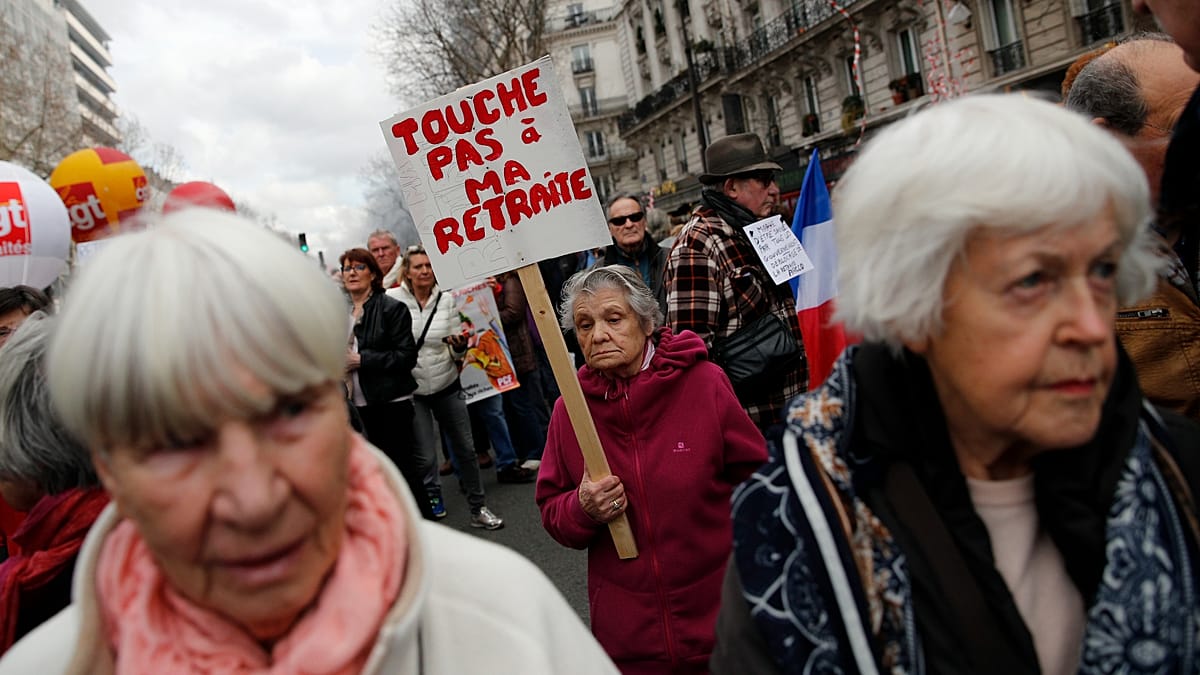
The initial reaction from trade unions remains cautious. The 1.6% increase in the minimum wage is far from their original demands: the CFDT was calling for an extra 100 euros net per month, while the CGT was asking for around 150 euros.
Even before Sébastien Lecornu’s announcements, the president of the CFTC, Cyril Chabanier, was already saying that the measures under consideration were “not commensurate with the level of social anger”.
The CGT, through its general secretary Sophie Binet, is calling for another major day of strikes and demonstrations on 17 November.