
Close Menu
Daily Guardian EuropeDaily Guardian Europe
  • Home
  • Europe
  • World
  • Politics
  • Business
  • Lifestyle
  • Sports
  • Travel
  • Environment
  • Culture
  • Press Release
  • Trending
What's On

What’s it like to be an astronaut with former astronaut Daniel Tani |Euronews Tech Talks

April 1, 2026

Iran threatens to strike US-owned infrastructure in the Middle East

April 1, 2026

Stocks jump and oil drops as Trump renews hopes of Iran war ending

April 1, 2026

So long Daniel Craig… The identity of the new James Bond has been revealed

April 1, 2026

Rubio warns US will rethink NATO after Iran war – POLITICO

April 1, 2026
Facebook X (Twitter) Instagram
Web Stories
Facebook X (Twitter) Instagram
Daily Guardian Europe
Newsletter
  • Home
  • Europe
  • World
  • Politics
  • Business
  • Lifestyle
  • Sports
  • Travel
  • Environment
  • Culture
  • Press Release
  • Trending
Daily Guardian EuropeDaily Guardian Europe
Home»Europe
Europe

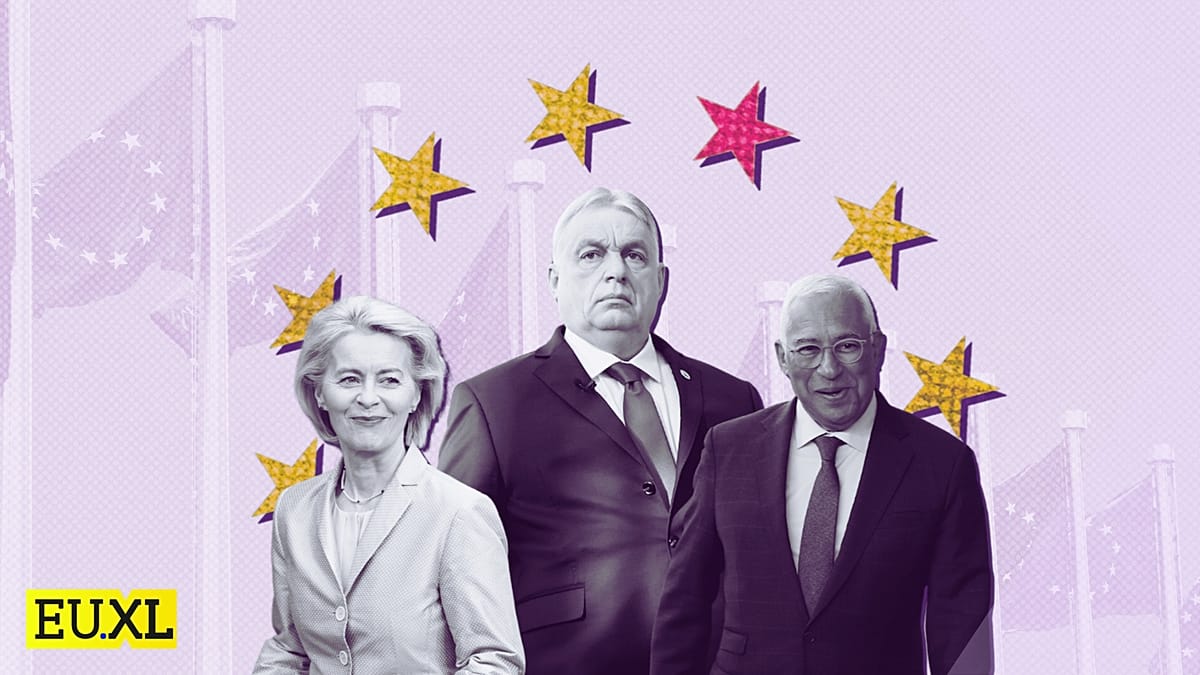
Is the EU done with member states using vetoes as a power move?

By staffApril 1, 20261 Min Read
Is the EU done with member states using vetoes as a power move?
Share
Facebook Twitter LinkedIn Pinterest Email

Under EU treaties, member states can veto decisions in areas that touch their core sovereignty: foreign policy, taxation, enlargement, and the budget. Under the EU treaties, the bloc is a union of sovereign states, not a federation, and no government should be forced into decisions that cut against its fundamental interests.

That legal basis is solid. Article 31(1) of the Treaty on European Union mandates unanimity on foreign and security policy decisions. Article 4(2) obliges the EU to respect member states’ national identities. The veto is not a loophole; it rightfully exists by design.

The problem is what happens when it’s used to extract concessions.

There are no formal safeguards to differentiate between a legitimate sovereignty veto, and one used as leverage on unrelated issues. Member states consistently present each veto as a matter of sovereignty protection. For example, Hungary has vetoed aid to Ukraine or sanctions against Russia (21 times across 38 issues since 2011), officially justifying these actions in the same manner as other countries.

Yet abolishing the veto requires unanimity, locking the bloc in a cycle where reform seems out of reach.

Share. Facebook Twitter Pinterest LinkedIn Tumblr Email

Keep Reading

Newsletter: Energy shock has Brussels on edge

Kallas insists Russian assets are an option if Orbán doesn’t lift veto on Ukraine loan

US wrong to negotiate, Iranian regime “not trustworthy”: Iranian opposition leader

EU countries, except Hungary, vow ‘full accountability’ for war crimes in Ukraine

Fact check: Does Hungary have alternatives to the Druzhba pipeline?

Lebanese minister speaks to Euronews as Israeli strikes leave 1,200 dead in Lebanon

Newsletter: Lebanese minister says situation ‘dramatic’ as Israel expands ground invasion

The unanimity trap: what is the EU veto and why is it so hard to reform?

Ukraine signs 10-year defence deal with arms producer Bulgaria, Zelenskyy says

Editors Picks

Iran threatens to strike US-owned infrastructure in the Middle East

April 1, 2026

Stocks jump and oil drops as Trump renews hopes of Iran war ending

April 1, 2026

So long Daniel Craig… The identity of the new James Bond has been revealed

April 1, 2026

Rubio warns US will rethink NATO after Iran war – POLITICO

April 1, 2026

Subscribe to News

Get the latest Europe and world news and updates directly to your inbox.

Latest News

Is the EU done with member states using vetoes as a power move?

April 1, 2026

Should you book holiday flights now considering jet fuel price spikes?

April 1, 2026

Newsletter: Energy shock has Brussels on edge

April 1, 2026
Facebook X (Twitter) Pinterest TikTok Instagram
© 2026 Daily Guardian Europe. All Rights Reserved.
  • Privacy Policy
  • Terms
  • Advertise
  • Contact

Type above and press Enter to search. Press Esc to cancel.