
Close Menu
Daily Guardian EuropeDaily Guardian Europe
  • Home
  • Europe
  • World
  • Politics
  • Business
  • Lifestyle
  • Sports
  • Travel
  • Environment
  • Culture
  • Press Release
  • Trending
What's On

The rise and fall of French presidents’ love lives – POLITICO

May 15, 2026

Inside the Number 10 bunker – POLITICO

May 15, 2026

Europe Today: Trump meets Xi Jinping as Brussels watches nervously

May 15, 2026

Late warnings and a minister’s fall: Latvia’s air-defence failures revealed

May 15, 2026

The putsch to oust Britain’s Keir Starmer is finally taking shape – POLITICO

May 14, 2026
Facebook X (Twitter) Instagram
Web Stories
Facebook X (Twitter) Instagram
Daily Guardian Europe
Newsletter
  • Home
  • Europe
  • World
  • Politics
  • Business
  • Lifestyle
  • Sports
  • Travel
  • Environment
  • Culture
  • Press Release
  • Trending
Daily Guardian EuropeDaily Guardian Europe
Home»Europe
Europe

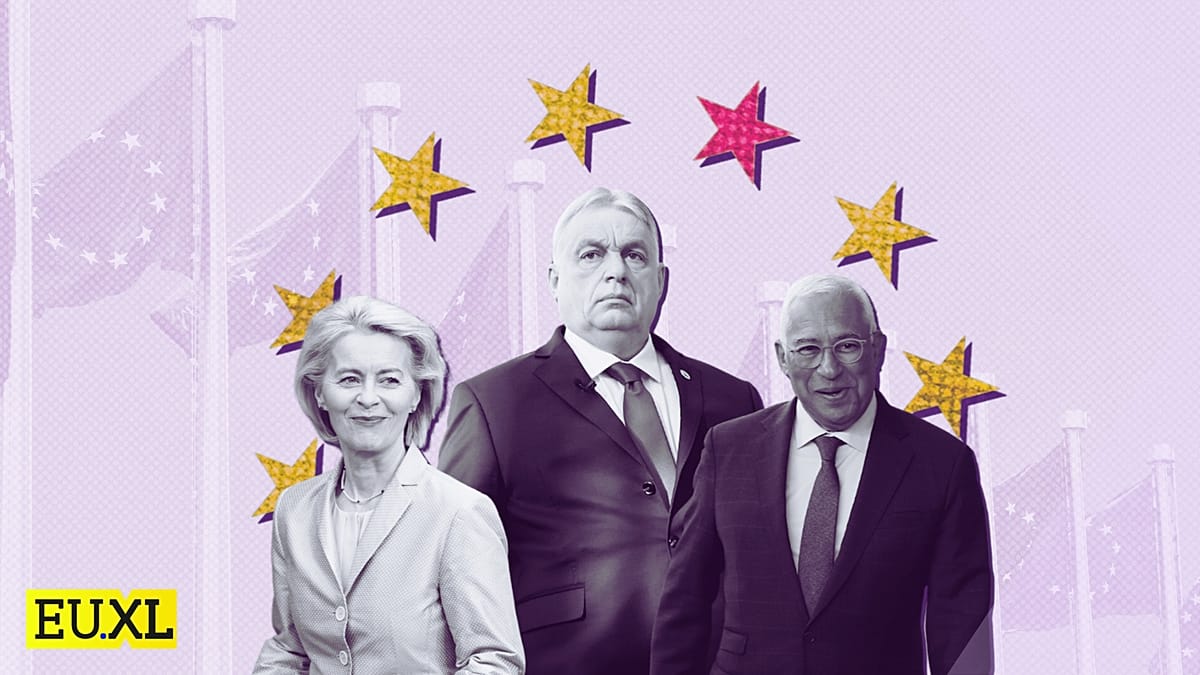
Is the EU done with member states using vetoes as a power move?

By staffApril 1, 20261 Min Read
Is the EU done with member states using vetoes as a power move?
Share
Facebook Twitter LinkedIn Pinterest Email

Under EU treaties, member states can veto decisions in areas that touch their core sovereignty: foreign policy, taxation, enlargement, and the budget. Under the EU treaties, the bloc is a union of sovereign states, not a federation, and no government should be forced into decisions that cut against its fundamental interests.

That legal basis is solid. Article 31(1) of the Treaty on European Union mandates unanimity on foreign and security policy decisions. Article 4(2) obliges the EU to respect member states’ national identities. The veto is not a loophole; it rightfully exists by design.

The problem is what happens when it’s used to extract concessions.

There are no formal safeguards to differentiate between a legitimate sovereignty veto, and one used as leverage on unrelated issues. Member states consistently present each veto as a matter of sovereignty protection. For example, Hungary has vetoed aid to Ukraine or sanctions against Russia (21 times across 38 issues since 2011), officially justifying these actions in the same manner as other countries.

Yet abolishing the veto requires unanimity, locking the bloc in a cycle where reform seems out of reach.

Share. Facebook Twitter Pinterest LinkedIn Tumblr Email

Keep Reading

Europe Today: Trump meets Xi Jinping as Brussels watches nervously

Late warnings and a minister’s fall: Latvia’s air-defence failures revealed

Video. It will be hard to survive if the EU does not speak with one voice, MEP tells Euronews

Latvian Prime Minister Evika Siliņa announces shock resignation after week of scandals

Deepfake Meloni clips distort relations between Italy and Israel

US cancels planned troop deployment to Poland, Euronews confirms

UK health minister Wes Streeting resigns, saying he has lost confidence in Starmer

Russia’s prison population falls by 40%, partly by sending convicts to fight in Ukraine

Russian parliament approves law allowing Putin to invade other countries

Editors Picks

Inside the Number 10 bunker – POLITICO

May 15, 2026

Europe Today: Trump meets Xi Jinping as Brussels watches nervously

May 15, 2026

Late warnings and a minister’s fall: Latvia’s air-defence failures revealed

May 15, 2026

The putsch to oust Britain’s Keir Starmer is finally taking shape – POLITICO

May 14, 2026

Subscribe to News

Get the latest Europe and world news and updates directly to your inbox.

Latest News

Video. It will be hard to survive if the EU does not speak with one voice, MEP tells Euronews

May 14, 2026

Latvian Prime Minister Evika Siliņa announces shock resignation after week of scandals

May 14, 2026

Deepfake Meloni clips distort relations between Italy and Israel

May 14, 2026
Facebook X (Twitter) Pinterest TikTok Instagram
© 2026 Daily Guardian Europe. All Rights Reserved.
  • Privacy Policy
  • Terms
  • Advertise
  • Contact

Type above and press Enter to search. Press Esc to cancel.