
This weekend, fans of high octane sports will watching Melbourne’s Albert Park as it transforms into a winding street circuit for the Australian Grand Prix.
The new season of Formula One (F1) is here, not only with a set of highly anticipated regulation changes but also a shiny new streaming deal with Apple TV — the latest sign of the sport’s growing media presence.
F1 announced its partnership with Apple TV last October, and the five-year agreement makes the streaming platform the sport’s exclusive broadcast partner in the United States. For F1, the deal broadens its reach during a crucial and revolutionary season.
The sport and the streaming platform are no strangers to one another, with Apple’s F1: The Movie making nearly €550 million($630 million) at the end of last year, according to Motorsport.com, and surprisingly driving into Oscar contention for Best Picture.
Apple vision
Ahead of engines starting, Apple has spent substantial time talking about how much the viewing experience will change the way fans regard races.
“In addition to broadcasting Formula 1 on Apple TV, Apple will amplify the sport across Apple News, Apple Maps, Apple Music, and Apple Fitness+,” Apple said in a press release. Viewers can also expect live updates, via Apple Sports, on qualifying and race sessions.
Much like its efforts to promote F1: The Movie, the company plans to use the breadth of the Apple-verse to draw North American audiences to its live broadcast.
“We have a shared vision to bring this amazing sport to our fans in the US and entice new fans through live broadcasts, engaging content, and a year-round approach to keep them hooked,” added Stefano Domenicali, Formula One’s president and CEO.
Apple TV has also struck a deal with Netflix to host season 8 of the hugely popular documentary series Drive to Survive, which follows the 2025 Formula One World Championship. Netflix, in turn, will livestream the 2026 Canadian Grand Prix for US viewers.
The clear interest in the sport from large streaming platforms follows F1’s growing international popularity and recent appeal to younger, more diverse audiences.
In 2025, 43% of fans were under 35 years old, with the sport attracting nearly 51 million fans under-35 year-on-year according to F1. Moreover, nearly 42% of the fanbase last year was female, compared to 37% in 2018.
These shifts in the sport’s viewership, partly due to the success of projects like Drive to Survive and put into motion after Liberty Media’s 2017 acquisition of the racing business, have cemented the sport’s place in the global cultural zeitgeist.
With stars strutting through the paddock, live music performances, and F1-produced videos that capture F1 drivers beyond the racetrack, the sport is leaning heavily into glamour and spotlighting the characters that power its adrenaline-shocked race weekends.
New engines, new era
This year, viewers can expect a exciting season with new teams and manufacturers joining the grid, a new racetrack added to the calendar (Spain’s Madring street circuit in Madrid), and some much-discussed regulation changes.
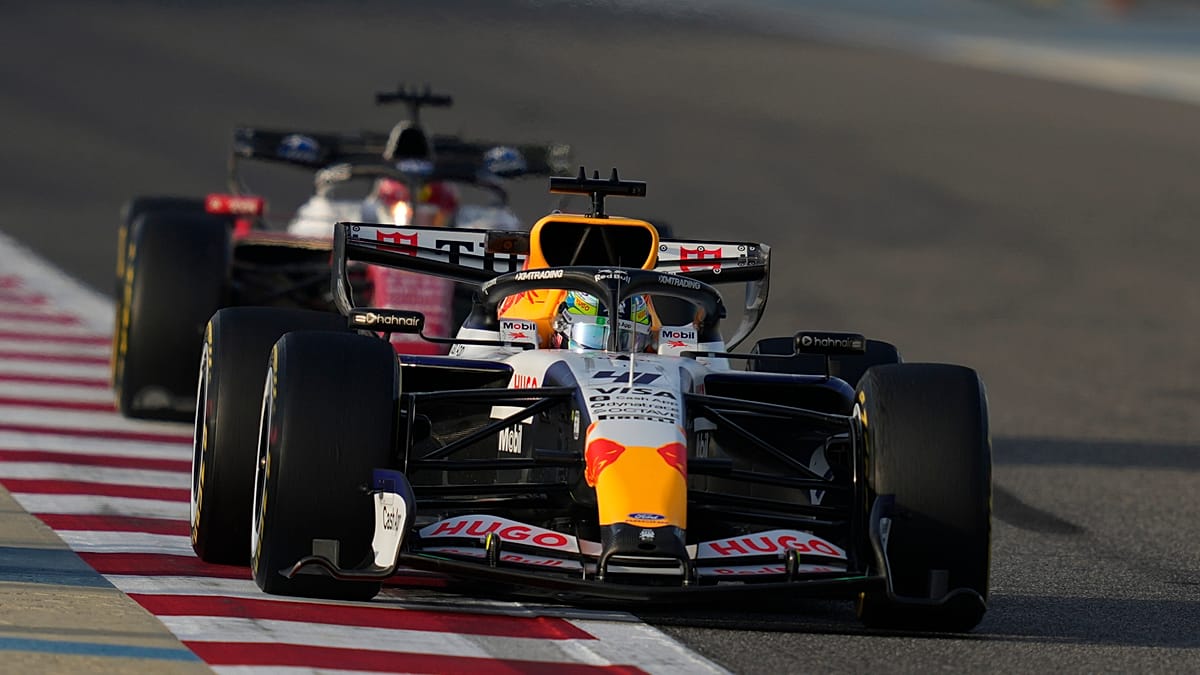
Cadillac, a brand new team, has joined the sport with two experienced drivers — Valtteri Bottas and Sergio Pérez – and a Ferrari-supplied power unit. Audi is taking over for Kick Sauber and has developed its own power unit, a considerable undertaking for their F1 debut. Ford is also reentering the sport, having helped develop a power unit for Oracle Red Bull Racing and Visa Cash App Racing Bulls in partnership with Red Bull Powertrains.
New manufacturers have flocked to the sport in part because of the 2026 F1 regulations, which brings new technical innovations and makes the sport more road relevant. This season, the cars will be lighter, sport new aerodynamic features, and use a new engine that relies much more on electrical parts and power.
As the sport evolves, the season may visit more locations, with some drivers expressing an interest in exploring new destinations. Seven-time world champion and Ferrari driver Lewis Hamilton has spoken of his strong desire to see F1 to be held in Africa before he retires, and said he knew F1 chiefs were “really trying” to make it happen.
“I don’t want to leave the sport without having a grand prix there [in Africa],” he said in a press conference on Thursday. “It is the most beautiful part of the world, and I don’t like that the rest of the world owns so much of it and takes so much from it and no-one speaks about it.
“Take it back from the French. Take it back from the Spanish. Take it back from the Portuguese and the British,”added Hamilton.
Given the enormous costs and competition involved in establishing a track or race, it seems unlikely Hamilton will get his wish in the very near future.
However, nothing can be totally ruled out for F1 as it increasingly shows its drive to attract a greater global audience in new lucrative markets.