
Close Menu
Daily Guardian EuropeDaily Guardian Europe
  • Home
  • Europe
  • World
  • Politics
  • Business
  • Lifestyle
  • Sports
  • Travel
  • Environment
  • Culture
  • Press Release
  • Trending
What's On

Starmer’s time is up — but not just yet – POLITICO

May 10, 2026

Péter Magyar sworn-in as Hungary’s new prime minister after landslide April election victory

May 9, 2026

Europe Day: 40 years of ups and downs in Spain’s relationship with the European Union

May 9, 2026

Niger suspends nine French media outlets over alleged threats to public order

May 9, 2026

Israel to release Gaza aid flotilla activists – POLITICO

May 9, 2026
Facebook X (Twitter) Instagram
Web Stories
Facebook X (Twitter) Instagram
Daily Guardian Europe
Newsletter
  • Home
  • Europe
  • World
  • Politics
  • Business
  • Lifestyle
  • Sports
  • Travel
  • Environment
  • Culture
  • Press Release
  • Trending
Daily Guardian EuropeDaily Guardian Europe
Home»Business
Business

EU warns oil and gas prices will not immediately return to normal even if the Iran war ends

By staffApril 1, 20263 Mins Read
EU warns oil and gas prices will not immediately return to normal even if the Iran war ends
Share
Facebook Twitter LinkedIn Pinterest Email
By&nbspDoloresz Katanich&nbspwith&nbspAP

Published on 01/04/2026 – 7:31 GMT+2•Updated
7:37

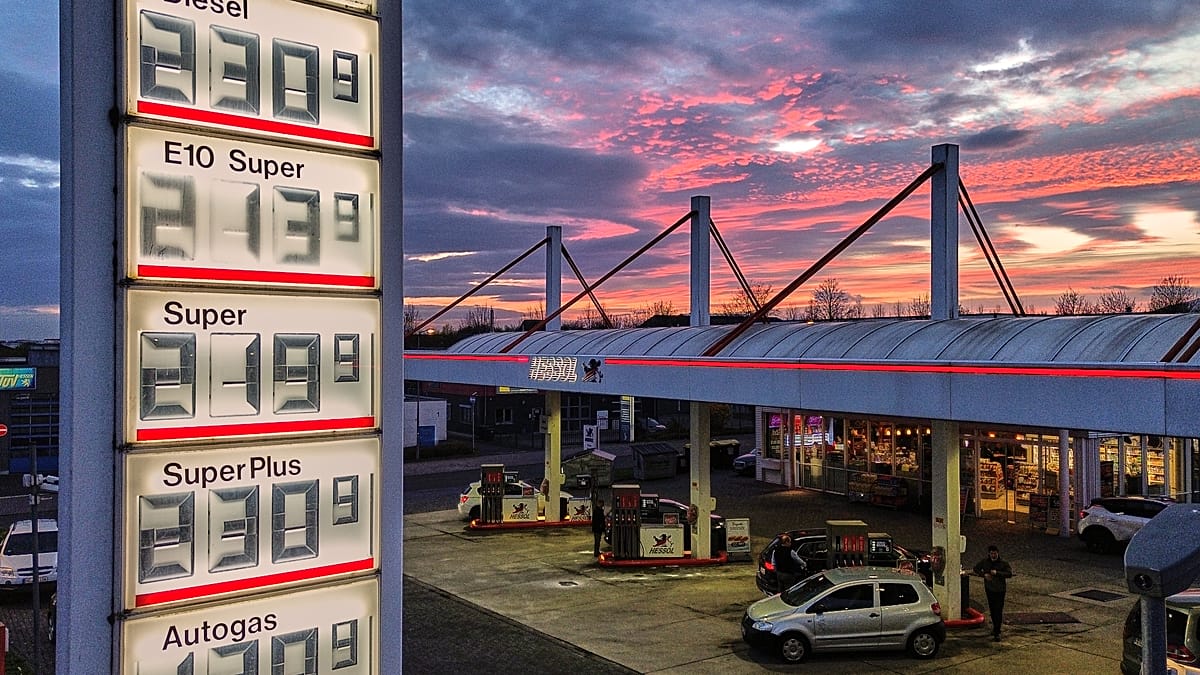
Soaring oil and gas prices in Europe resulting from the ongoing war involving Iran will not return to normal levels any time soon, even if peace is declared tomorrow, the European Union’s energy commissioner warned on Tuesday.

Commissioner Dan Jørgensen said that although there are no immediate shortages of oil and gas supplies across the 27-member bloc, there is pressure on diesel and jet fuel supplies, as well as “increasing constraints” in global gas markets, which are driving up electricity prices.

“What I find extremely important is to state as clearly as I can that even if that peace is here tomorrow, still we will not go back to normal in the foreseeable future,” Jørgensen told a news conference after a meeting of EU energy ministers.

He said the EU’s executive arm is preparing a range of measures to help families and businesses cope with the sharp rise in oil prices, which has led to increases of about 70% for gas and 60% for oil in Europe. Since the start of the war, the EU’s bill for imported fossil fuels has risen by €14bn, according to Jørgensen.

He added that closely coordinated action among all EU member states is necessary to “avoid fragmented national responses and disruptive signals to the markets”.

The “toolbox” of measures under preparation will be unveiled “quite soon” and will include ways to make it easier for states to decouple gas prices from electricity prices. A cut in electricity taxes, as suggested by Commission President Ursula von der Leyen, is also being considered.

Jørgensen said that although he does not expect a repeat of the 2022 natural gas crisis, during which companies made large profits from surging prices, a one-off “windfall tax” on such companies “remains a possibility”.

There are now “good opportunities” for member states to provide financial support to vulnerable groups and industries under “extraordinary stress”, and the Commission will make “these possibilities even simpler and broader”, he said.

Jørgensen also encouraged EU countries to consider the International Energy Agency’s 10-point plan, which includes working from home, reducing motorway speeds, promoting public transport and increasing car-sharing.

He said the EU remains committed to its ban on Russian gas purchases, aimed at reducing dependence on Russian supplies and cutting off funding for Russia’s war in Ukraine. Reliance on Russian gas has fallen from 45% before the war to 10% now, and is expected to drop to zero once imports from alternative suppliers increase, particularly from the United States. The EU is also exploring new energy sources from Azerbaijan, Algeria and Canada, as well as smaller producers worldwide.

The commissioner warned that the EU must never “repeat the mistakes of the past by allowing Putin to weaponise energy against us and blackmail member states”. He added that “it would be totally unacceptable” for the EU to continue buying energy that would “indirectly help finance the terrible war that Putin is waging in Ukraine”.

Share. Facebook Twitter Pinterest LinkedIn Tumblr Email

Keep Reading

Iraq announces huge oil find near Saudi border as Hormuz crisis bites

Oil tanker arrives in South Korea after leaving the Strait of Hormuz

Europe’s electricity storage race: Which countries lead in battery capacity?

Gold vs oil: Which offers better protection from rising prices during the Iran war?

Economic growth in the Pacific could slow as energy disruptions spread, ADB warns

How UK 30-year bonds reached the highest yield this century and why it matters

Europe’s AI Conundrum: Watch the Brussels Economic Forum 2026

Maersk profit falls sharply as firm keeps forecast despite Hormuz uncertainty

Hopes of reopening the Strait of Hormuz lift shares, as oil remains above $100

Editors Picks

Péter Magyar sworn-in as Hungary’s new prime minister after landslide April election victory

May 9, 2026

Europe Day: 40 years of ups and downs in Spain’s relationship with the European Union

May 9, 2026

Niger suspends nine French media outlets over alleged threats to public order

May 9, 2026

Israel to release Gaza aid flotilla activists – POLITICO

May 9, 2026

Subscribe to News

Get the latest Europe and world news and updates directly to your inbox.

Latest News

Cattle theft in Germany: organised gangs target farms

May 9, 2026

EU countries prepare repatriation of hantavirus cruise passengers – POLITICO

May 9, 2026

Trump says he ‘might’ move US troops to Poland from Germany – POLITICO

May 9, 2026
Facebook X (Twitter) Pinterest TikTok Instagram
© 2026 Daily Guardian Europe. All Rights Reserved.
  • Privacy Policy
  • Terms
  • Advertise
  • Contact

Type above and press Enter to search. Press Esc to cancel.