
Close Menu
Daily Guardian EuropeDaily Guardian Europe
  • Home
  • Europe
  • World
  • Politics
  • Business
  • Lifestyle
  • Sports
  • Travel
  • Environment
  • Culture
  • Press Release
  • Trending
What's On

Chios airport to close from 15 November to 15 March amid strong local opposition

October 15, 2026

Seven missing after tanker catches fire off Romanian coast – POLITICO

October 15, 2026

Prince Harry and Meghan make first joint public appearance since surprise UK return

October 15, 2026

Azerbaijan engineers rare summit with in-conflict Middle East and Asian leaders

October 15, 2026

IMF warns attacks on Saudi Arabia could hurt global economy after strike on Aramco headquarters

October 15, 2026
Facebook X (Twitter) Instagram
Web Stories
Facebook X (Twitter) Instagram
Daily Guardian Europe
Newsletter
  • Home
  • Europe
  • World
  • Politics
  • Business
  • Lifestyle
  • Sports
  • Travel
  • Environment
  • Culture
  • Press Release
  • Trending
Daily Guardian EuropeDaily Guardian Europe
Home»Business
Business

What you need to know about Germany’s planned tax on sugary drinks

By staffOctober 15, 20263 Mins Read
What you need to know about Germany’s planned tax on sugary drinks
Share
Facebook Twitter LinkedIn Pinterest Email

Published on
15/10/2026 – 12:14 GMT+2

The German cabinet has approved draft legislation to tax sugary drinks in Europe’s biggest economy. If passed by the German Bundestag, the tax will take effect on 1 July 2027. The coalition aims to raise revenue for the federal budget while encouraging manufacturers to reduce sugar content and offer healthier products.

The levy is intended to ease pressure on the healthcare system, which faces costs of more than €2 billion every year linked to the high consumption of sugary drinks, which contributes to obesity, diabetes and tooth decay.

According to the federal government, Berlin is using the tax to implement “what associations from the fields of health, science, child protection, and consumer protection have long been demanding.”

The tax is expected to generate additional revenue for the federal government of €690 million in 2027 and €925 million in 2028.

According to the federal government, the revenue would help limit planned cuts to its subsidy to the central health fund, potentially easing pressure to raise people’s health insurance contributions.

Which drinks are subject to the tax, and who is going to pay more?

According to the draft legislation, drinks that would be subject to this tax include those with a total sugar content of 5g per 100ml or more. For drinks containing at least 5g but less than 8g per 100ml, the duty would be €0.26 per litre. At 8g per 100ml or more, it would rise to €0.32 per litre.

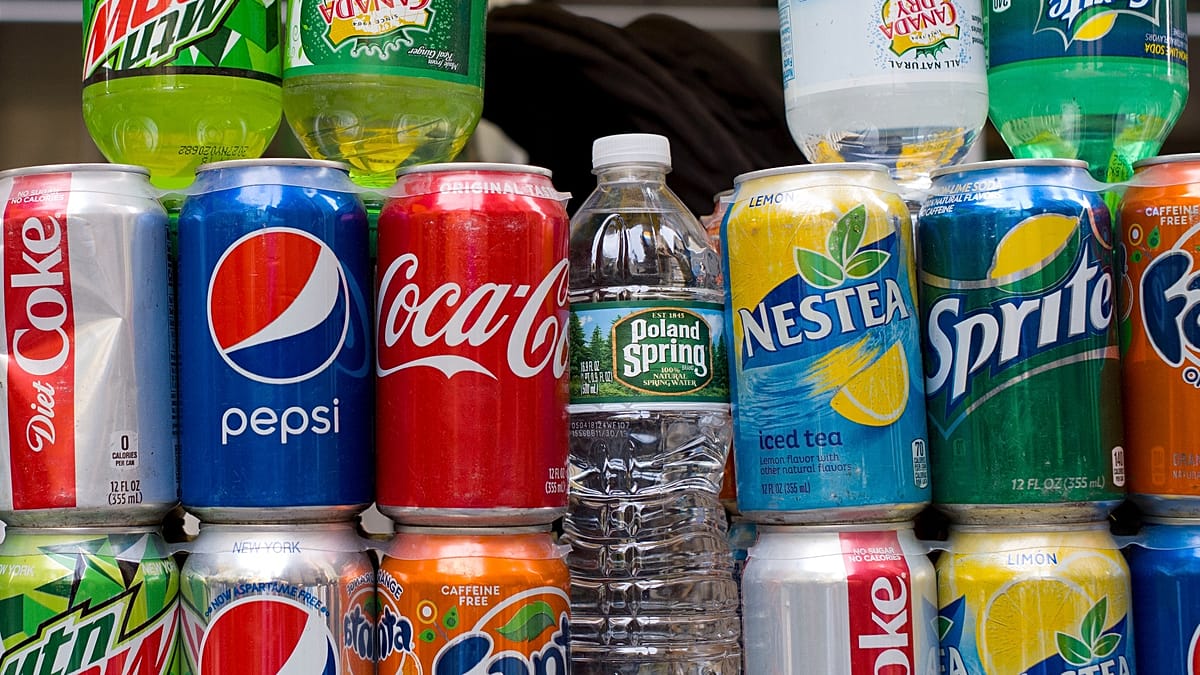
The list therefore includes soft drinks, such as Coca-Cola, iced teas, energy drinks, fruit nectars and juice concentrates with added sugar.

Alcoholic drinks and their non-alcoholic versions are not included in the plans. Milk, oat, and rice drinks, as well as pure fruit and vegetable juices, would also be exempt from the tax. Drinks containing sweeteners instead of sugar would also be excluded.

Although manufacturers or wholesalers would pay the tax, the federal government expects shoppers to face price increases of tens of cents for sugary drinks.

Small, independent manufacturers with an annual production volume of up to 70,000 litres would be exempt from this duty. A further exemption for businesses producing up to 1 million litres a year would require European Commission approval under state aid rules.

The tax faced criticism both before and after the coalition reached an agreement. According to German public broadcaster ARD’s Tagesschau news service, Hessian Minister-President Boris Rhein (CDU) said the tax would make drinks more expensive and could threaten jobs in the beverage industry.

The US-based Tax Foundation also questioned the health benefits of sugary drink taxes in a report published in 2025. They argued that, “While taxes on sugary drinks do seem to increase their prices, there is no evidence for significant improvement in health outcomes as a result of higher sugary drink prices.”

Germany would join several EU countries that already tax sugary drinks, including France, Portugal and Hungary, where a broader public health tax has been in place since 2011.

Share. Facebook Twitter Pinterest LinkedIn Tumblr Email

Keep Reading

IMF warns attacks on Saudi Arabia could hurt global economy after strike on Aramco headquarters

Anthropic revenue jumps 46% to $16.8bn as AI firm eyes record $2 trillion IPO valuation

EIB seeks cross-border projects to boost Central Asia’s economic development

Taiwan chip giant TSMC says net profit hit record in third quarter

Europe’s debt map flips: Belgium borrows like Greece as France pays more than Italy

Deepening tech sell-off drags stocks lower as major markets slide

IEA warns diesel prices in Europe could rise as global crunch lasts into 2027

Lufthansa beats Air France-KLM to €1.2bn stake in TAP Air Portugal

US inflation rises to 3.7% as fuel costs climb ahead of midterms

Editors Picks

Seven missing after tanker catches fire off Romanian coast – POLITICO

October 15, 2026

Prince Harry and Meghan make first joint public appearance since surprise UK return

October 15, 2026

Azerbaijan engineers rare summit with in-conflict Middle East and Asian leaders

October 15, 2026

IMF warns attacks on Saudi Arabia could hurt global economy after strike on Aramco headquarters

October 15, 2026

Subscribe to News

Get the latest Europe and world news and updates directly to your inbox.

Latest News

Frontex suspends reintegration program after blowing through its budget  – POLITICO

October 15, 2026

Russia detains Swedish citizen as Moscow eyes future prisoner swaps

October 15, 2026

What you need to know about Germany’s planned tax on sugary drinks

October 15, 2026
Facebook X (Twitter) Pinterest TikTok Instagram
© 2026 Daily Guardian Europe. All Rights Reserved.
  • Privacy Policy
  • Terms
  • Advertise
  • Contact

Type above and press Enter to search. Press Esc to cancel.