


Published on
Yet, while numbers can rarely capture the raw complexities of what we want, they carry an inescapable weight when a referendum locks them into law.
10 years later, the Brexit debate, like it or not, is still alive.
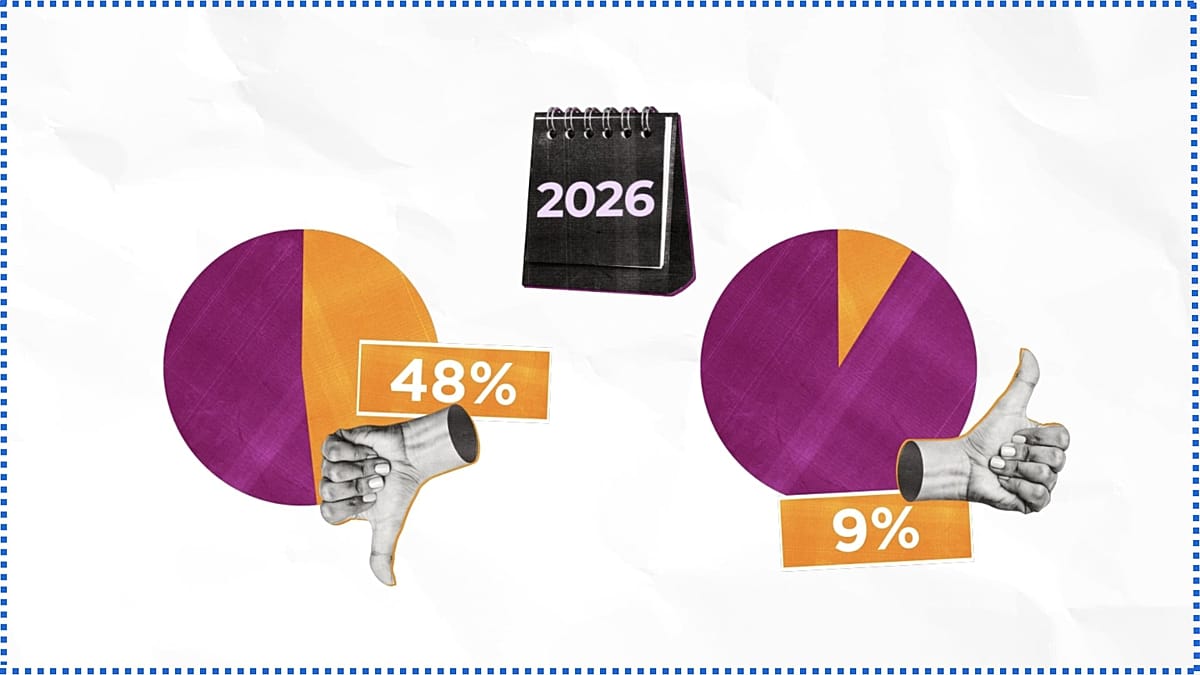
A landmark study by Ipsos, in partnership with the Policy Institute at King’s College London, and UK in a Changing Europereveals a public deeply conflicted. Today, 48% of Britons state Brexit is going worse than expected, compared to just 9% who view it as a success (“believing Britain’s exit from the EU is working out better”).
And the data exposes a fascinating contradiction. A majority (53%) now agree that Britain should allow EU citizens to live and work in the UK in exchange for Single Market access, up significantly from a decade ago.
However, the moment the argument shifts from economics to sovereignty, the math changes completely. A majority (52%) still prioritises full control over immigration, even if it means a more limited relationship.
Finally, Britons openly desire closer alignment on specific issues, with 47% backing a stronger trading relationship and 60% demanding a joint security partnership.
To ever get back in, the UK needs total unanimity under Article 49 of the European Union treaty. All twenty-seven member states hold an absolute veto: a single “no” from any capital locks the door permanently.
Finally, here goes the ultimate paradox. Inside the bloc, Britons were bound by European rules but helped write them. Outside the bloc, they remain completely dependent on those exact same rules with absolutely zero say in their creation.
It turns out taking back control just meant handing the EU the remote control. But hey, at least they got the famous £350m a week for the NHS.
Right?
Watch the Euronews video in the player above for the full story.