



Published on
Children who start using social media at a young age appear to struggle more at school than those who open social media accounts only once they are older, a new study has found.
The study was published in Nature Human Behaviour and analysed more than 5,000 pupils from northern Italy aged 7 to 16.
The paper was built on a combination of data from a questionnaire on digital media habits with longitudinal standardised exam scores collected in grades 2, 5, 8 and 10 in Italian, mathematics and English.
Specifically, when tested in grade 8 (usually the age range from 13 to 14), students who joined social media at 11 or 12 did worse than those who waited longer to get on social media in both Italian and maths.
And when tested in grade 10 (ages 15-16), the impact not only persisted but widened, particularly in mathematics and for those exposed to social media before 13.
The negative impact is tied to smartphone distractions at key moments of the day, according to the researchers.
While the use of social media from an early age appears to be linked to lower performance in Italian and maths, the same cannot be said for English, which Italian students generally learn as their first foreign language, the study highlighted.
The authors of the study suggest that this discrepancy might be related to the high quantity of English content on social media, which can potentially offer informal learning to its users.
Research on the relationship between social media and children is on the rise and this study aligns with results from recent analyses exploring the impact of social media use on the educational and cognitive performance of school-aged children.
Based on their results, the authors of the study emphasise the need for digital literacy programmes in schools, suggest regulating engagement mechanisms on platforms used by minors, and note the need for policies delaying social media access for children.
A timely study
This study comes at a particularly sensitive time for the debate around social media.
After Australia became the first country in the world to ban social media for users aged under 16, the discussion reached European countries and the European Union (EU) institutions.
Earlier this summer, French lawmakers approved a bill prohibiting social media access to children under 15, and similar measures are being discussed in Spain and in the UK.
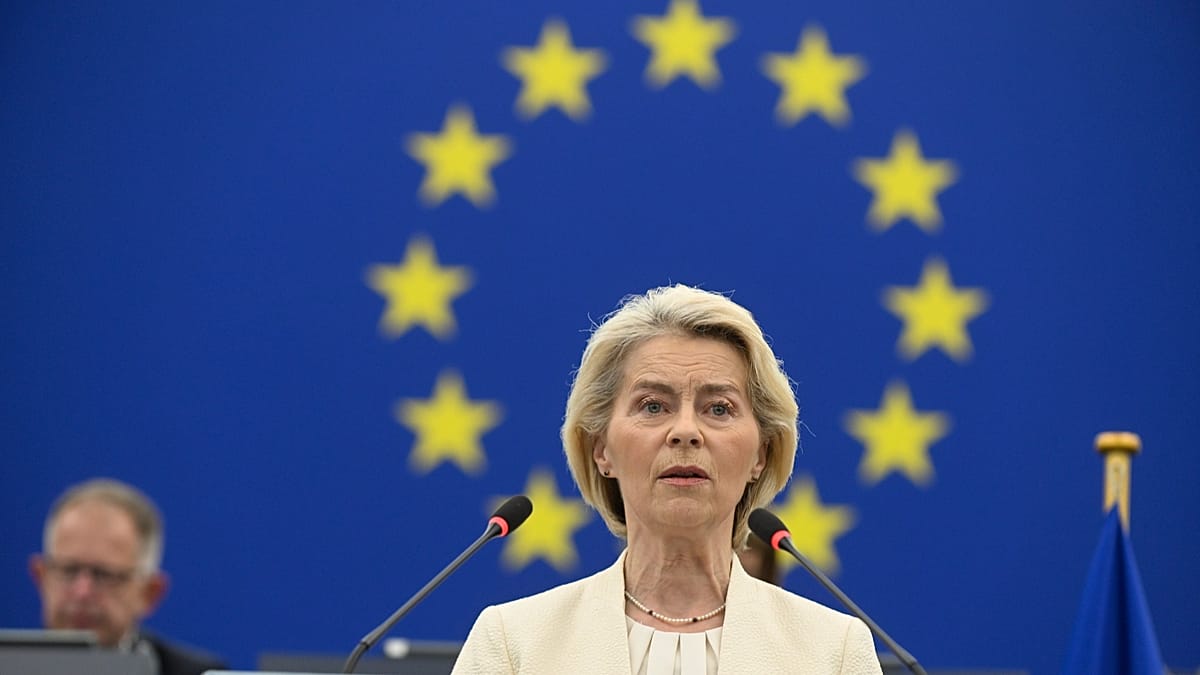
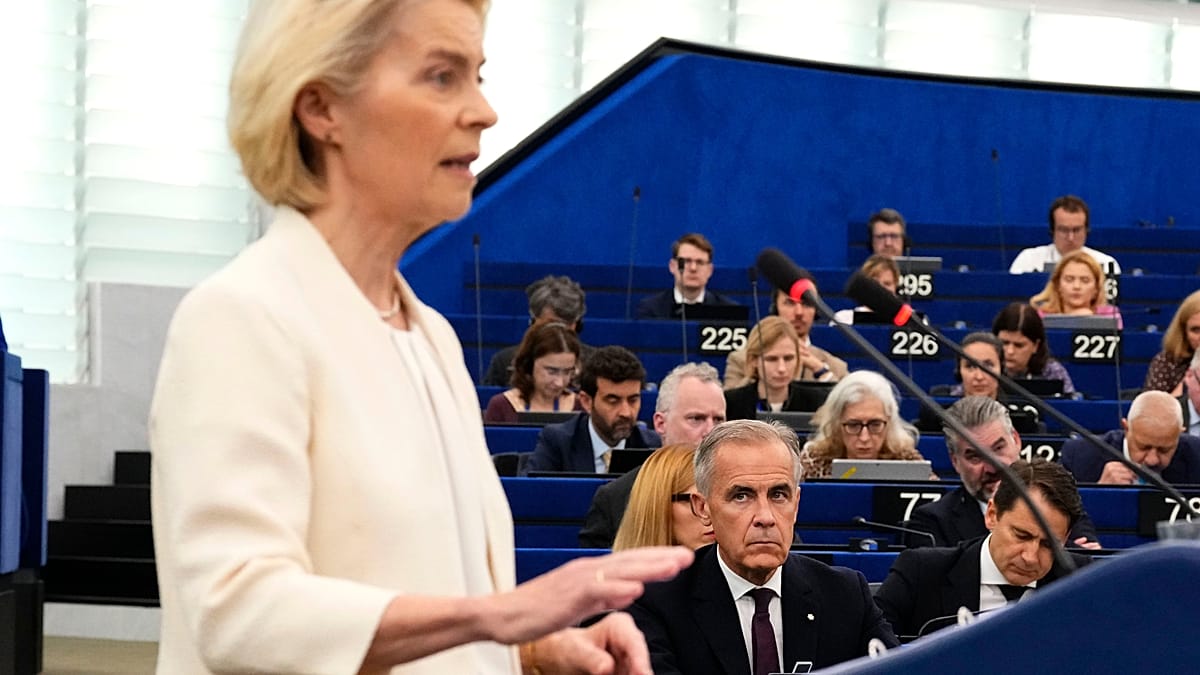
At the EU level, debates are also moving in the direction of more restrictive rules over children’s social media use. In July, European Commission President Ursula von der Leyen, presented an expert report on this topic and said the evidence increasingly supported introducing a minimum age for accessing these platforms.
The report, however, did not back a blanket ban on social media platforms like the one in Australia, but rather underlined the necessity of a “safe by design” approach, putting part of the responsibility onto digital platforms.
Despite the social media debate being in the spotlight, Italy, the country where the study was conducted, was not particularly central to the discussion.
In June, Italian Prime Minister Giorgia Meloni said her government will not push for a social media ban as the measure can easily be circumvented.
This argument is often put forward by critics of the measure and is backed by some studies conducted in Australia, which show that age verification methods are not effective.