



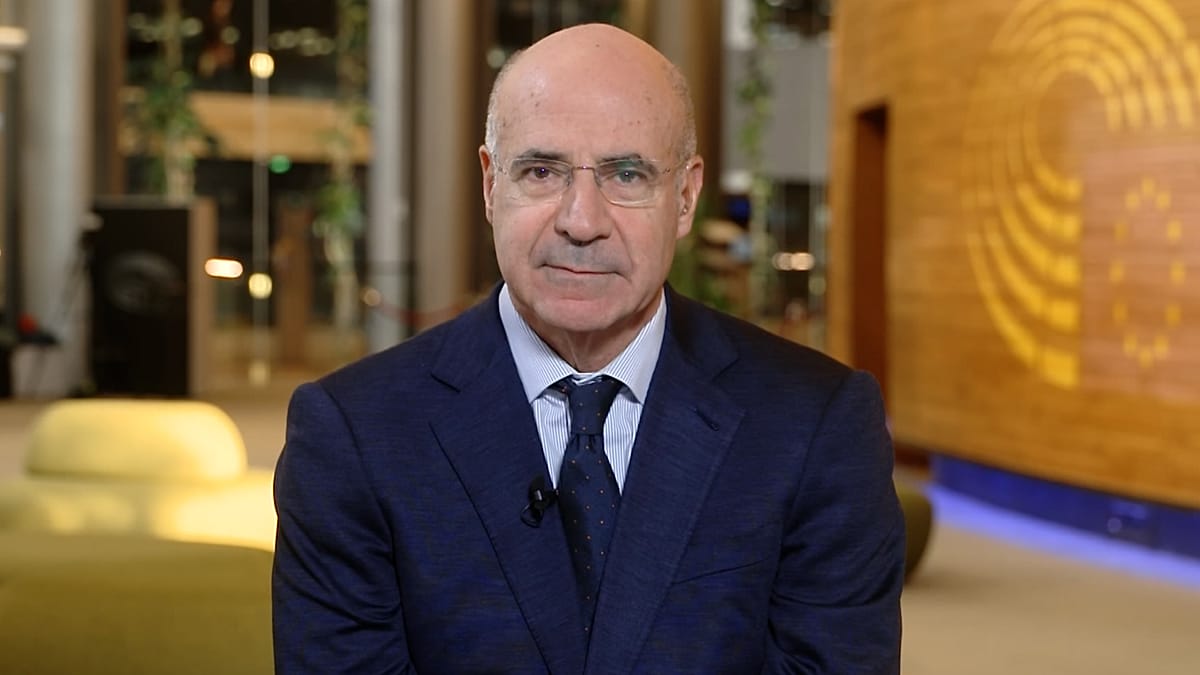

“We have an AI Act that regulates use, but we have no clear rules on who pays when a foundation model itself is flawed, biased or causes harm. This is not tenable,” Voss said.
He said it’s not too late for Brussels to take another U-turn. “If the builder of a model admits he should be liable, the legislator should not be less ambitious than the industry.”
But one senior Parliament official involved in the liability law proposal said that for the Commission, “it would be admitting they made a big mistake.”
“If there is a major AI accident, creating more and more momentum for [action], they will probably call it differently — maybe an ‘Agentic AI Act,’ or ‘Protecting our Citizens from AI Act’ or whatever in order to hide past mistakes and flawed observations,” the official said.
As Brussels considers how to address new risks, the rest of the world will be watching.
“Altman says there will need to be a liability framework for models like his, but most likely one with many exceptions,” said Artur Bogucki, director of research at the think tank CEPS.
“The EU needs a direct, targeted AI liability instrument, narrow and procedural at its core,” including obligations to log and disclose evidence, he said.
Eliza Gkritsi contributed to this report.


