
Close Menu
Daily Guardian EuropeDaily Guardian Europe
  • Home
  • Europe
  • World
  • Politics
  • Business
  • Lifestyle
  • Sports
  • Travel
  • Environment
  • Culture
  • Press Release
  • Trending
What's On

Venezuela earthquakes: striking satellite images before and after

June 27, 2026

Ukrainian missiles strike defense plant deep in Russia, Zelenskyy says – POLITICO

June 27, 2026

German Federal Criminal Police records 486 offences against media and journalists in 2025 2025

June 27, 2026

UK maritime agency raises Strait of Hormuz threat level after oil tanker reports being struck

June 27, 2026

Do not put your phone in the fridge: 5 ways to keep your devices cool this summer

June 27, 2026
Facebook X (Twitter) Instagram
Web Stories
Facebook X (Twitter) Instagram
Daily Guardian Europe
Newsletter
  • Home
  • Europe
  • World
  • Politics
  • Business
  • Lifestyle
  • Sports
  • Travel
  • Environment
  • Culture
  • Press Release
  • Trending
Daily Guardian EuropeDaily Guardian Europe
Home»Europe
Europe

The EU is set to join US-led chip alliance ‘Pax Silica’ to counter China’s AI race

By staffJune 1, 20263 Mins Read
The EU is set to join US-led chip alliance ‘Pax Silica’ to counter China’s AI race
Share
Facebook Twitter LinkedIn Pinterest Email

Published on
01/06/2026 – 15:28 GMT+2

The European Union is set to join Pax Silica, a Washington-led initiative to coordinate export controls and co-investment in advanced chips aimed at curbing China’s technological rise, particularly in AI.

In recent weeks, Brussels has been debating whether to sign up to the initiative, which the US launched last December to secure global supply chains for AI chips, critical minerals and advanced technologies.

The UK, Japan, South Korea, India and Australia have already joined, as have three EU member states — Greece, Finland and Sweden.

The initiative has not been without its critics, however. France has been among the most vocal sceptics, framing it as nothing short of an attempt to colonise Europe and at odds with the EU’s tech sovereignty agenda, which seeks to reduce strategic dependence on foreign suppliers, including American ones.

Still, EU ambassadors are due to green light the initiative on Wednesday. On the same day, Brussels is due to present a package of measures to boost its technological independence, including steps to increase demand for European-made chips and ensure that the most sensitive public-sector cloud applications remain hosted within Europe.

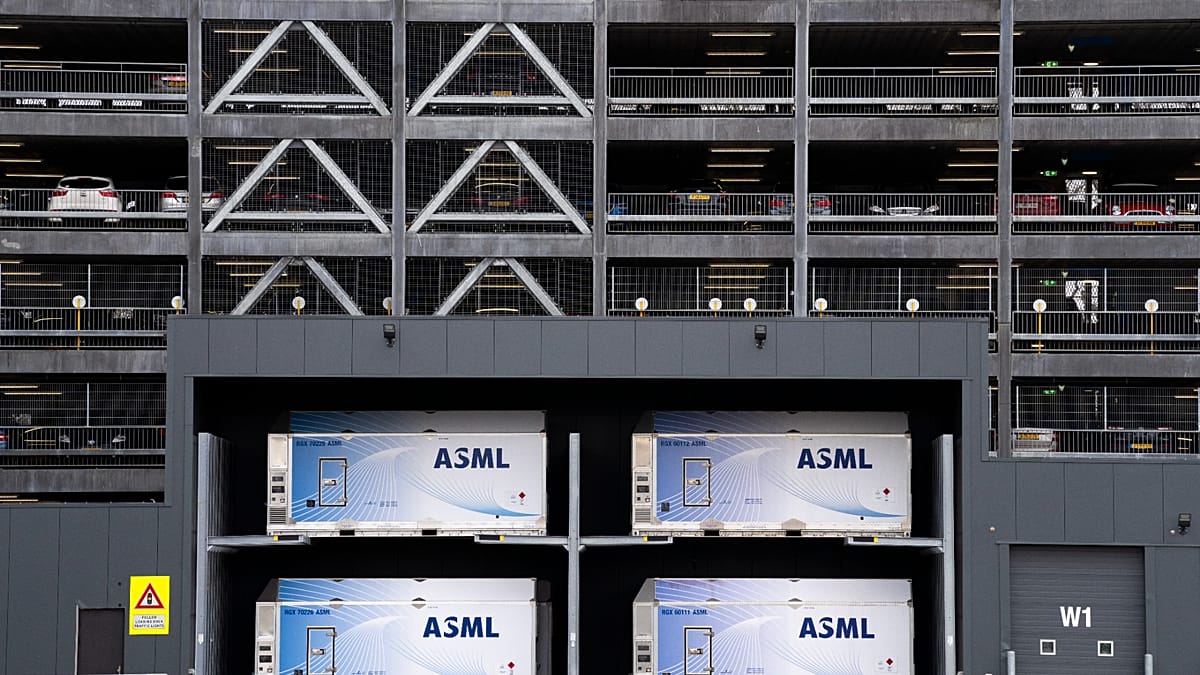
US companies — Nvidia in particular — dominate the design of advanced AI chips underpinning the latest generations of AI systems. Europe, for its part, holds a critical chokepoint in the supply chain through Dutch company ASML, which dominates the production of machinery used to manufacture chips.

The European Commission pushed EU governments to sign up to Pax Silica as a bloc, arguing it would help coordinate with like-minded partners on tech supply chains and create openings for European businesses.

Pressure on Brussels to join collectively mounted in recent weeks, after several EU capitals moved ahead on their own. Under the EU-US trade agreement, the bloc is also set to purchase “at least $40 billion (€37 billion) worth of US AI chips”, according to the joint statement.

Paris and several other capitals sought clarification on the initiative’s governance, its relationship with the G7, and whether it could compromise the EU’s regulatory autonomy, notably on export controls and foreign direct investment screening.

Germany, Italy and the Netherlands, by contrast, were firmly in favour, stressing the need for the EU to present a united front towards Washington.

After consulting with the US State Department, the European Commission confirmed that the Pax Silica Declaration is not legally binding; it is a political statement that will not interfere with EU internal decision-making.

A green light from ambassadors on Wednesday would be the first formal step towards the EU joining Pax Silica. Ministerial endorsement would still be required, and could come as early as next week, Euronews understands.

Share. Facebook Twitter Pinterest LinkedIn Tumblr Email

Keep Reading

German Federal Criminal Police records 486 offences against media and journalists in 2025 2025

Newsletter: Temperatures rise over sanctions against Russia

Hospitals struggle as European heatwave moves east

Life sentence for Magdeburg attacker

‘Measures needed to face extreme heat or it will kill us,’ Copernicus director says

Fact check: Were you fooled by these AI-generated images of the World Cup?

To use air con or not? The facts behind the politicised battle to stay cool in Europe

Kyiv mayor at Ukraine Recovery Conference in Gdańsk: ‘Ukraine must do exactly what Poland did’

Poor show: Ecuador win, Germany disappoint, Neuer blunders

Editors Picks

Ukrainian missiles strike defense plant deep in Russia, Zelenskyy says – POLITICO

June 27, 2026

German Federal Criminal Police records 486 offences against media and journalists in 2025 2025

June 27, 2026

UK maritime agency raises Strait of Hormuz threat level after oil tanker reports being struck

June 27, 2026

Do not put your phone in the fridge: 5 ways to keep your devices cool this summer

June 27, 2026

Subscribe to News

Get the latest Europe and world news and updates directly to your inbox.

Latest News

Video. Woman rescued after car plunges into flooded sinkhole

June 27, 2026

Ein Spaziergang durch Kyjiw mit Botschafter Thoms – POLITICO

June 27, 2026

Venezuela satellite images reveal scale of disaster

June 27, 2026
Facebook X (Twitter) Pinterest TikTok Instagram
© 2026 Daily Guardian Europe. All Rights Reserved.
  • Privacy Policy
  • Terms
  • Advertise
  • Contact

Type above and press Enter to search. Press Esc to cancel.