
Missile and drone strikes across the Gulf have already pushed global LNG prices higher, as markets react to the risk of supply disruption from one of the world’s most important energy regions.
The strikes come as a wider confrontation involving Iran and Gulf energy infrastructure intensifies, with attacks reported on oil and gas facilities across several countries in recent days.
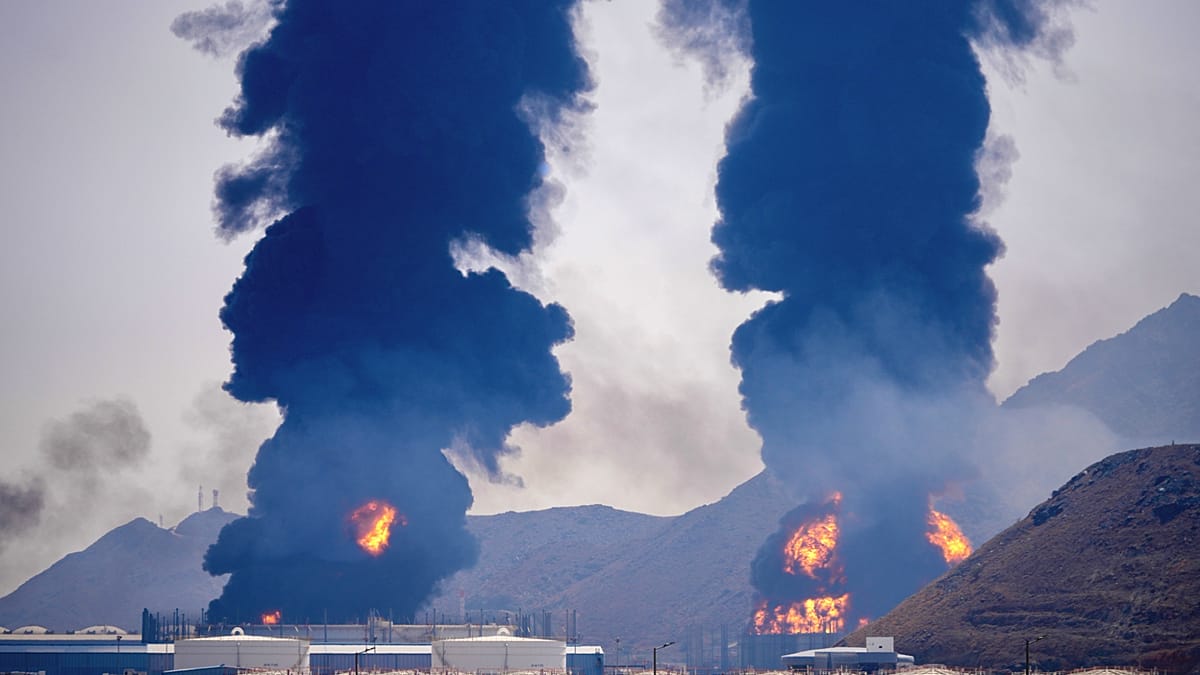
Several key oil and gas sites across the Gulf have been hit, with damage reported at major facilities and growing concern over how long the disruption could last.
In Qatar, fires broke out at multiple sites in Ras Laffan Industrial City, the world’s largest liquefied natural gas hub, following reported Iranian missile attacks.
Authorities said the fires were contained with no casualties, but confirmed the strikes caused significant damage.
“The latest strikes change the picture dramatically,” said Vandana Hari, founder of Vanda Insights, a firm specialising in research on global energy markets, noting that LNG production had, until now, been halted mainly as a precaution rather than because of physical damage.
The strikes come alongside other incidents across the region, including a drone strike on an oil facility in Fujairah in the United Arab Emirates, underlining the widening scope of the attacks.
Physical damage shifts risk outlook
Repairs are likely to begin only once the conflict ends and could take several months, Hari said, adding that it remains unclear whether partial operations can resume sooner.
The implications could stretch well beyond the region. Qatar supplies around a fifth of global LNG exports, with most of that production flowing through the Ras Laffan complex, which is the world’s largest LNG export facility. Any prolonged disruption risks tightening already sensitive markets.
“We could be looking at considerably tighter global gas markets, just as Europe starts buying to stockpile gas for winter,” Hari said. “As Europe is able to pay top dollar to attract the marginal tonne, the smaller, price-sensitive economies of Asia will suffer the most.”
Beyond the immediate impact on supply, the attacks are also exposing vulnerabilities across the Gulf’s wider energy system, from production and processing to shipping routes through the Strait of Hormuz.
“The conflict has revealed a multi-layered vulnerability of Gulf oil and gas supplies,” Hari said, raising the prospect of longer-term shifts in both investment and trade flows if instability persists.
No spare LNG capacity
For industry experts, the disruption is not only about physical damage but also the difficulty of operating in an active conflict environment.
Jean-Christian Heintz, a global LNG consultant, said the strikes are exerting “psychological and reputational” pressure on the sector, with the full extent of the damage still unclear, adding that even limited attacks can have significant operational consequences.
“As a reasonable and prudent operator, no seller will take the risk of resuming production in such a context,” Heintz said, adding that even minor strikes can prevent a return to normal operations.
“In LNG there is no such thing as spare capacity,” Heintz said, noting that production cannot be quickly ramped up and that new projects take years and significant investment to develop.
There are already signs of disruption feeding through to global markets, with QatarEnergy offering five LNG slots at Belgium’s Zeebrugge terminal for April, according to industry sources, suggesting outages could last longer than initially expected.