
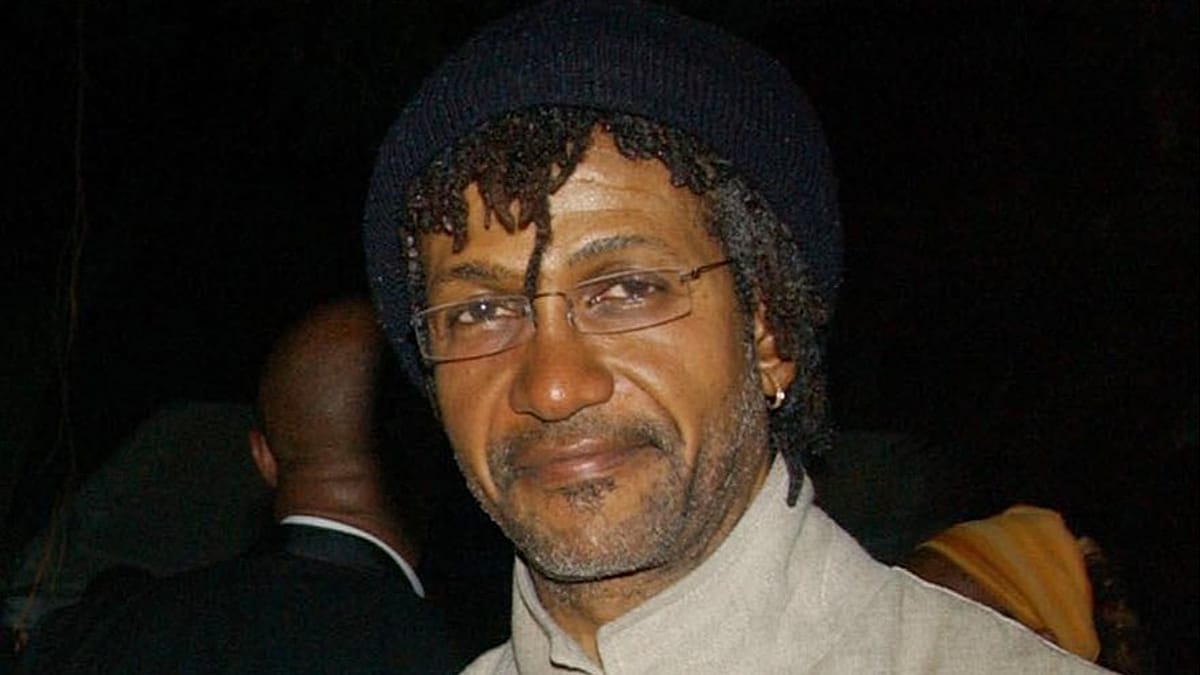
Published on
Sly Dunbar, a pioneering reggae drummer, has died. He was 73.
Most widely known as one-half of the production and performing partnership Sly & Robbie – along with Robbie Shakespeare – he crafted and played on songs for some of the genres’ biggest acts, such as Bob Marley, Jimmy Cliff, Peter Tosh and Black Uhuru.
The pair also added their distinctive “rockers rhythm” touch to music beyond reggae by greats including Grace Jones, the Rolling Stones, Bob Dylan and Serge Gainsbourg.
His death was first reported by his wife Thelma to the Jamaica Gleaner newspaper.
Nominated 13 times for a Grammy, he won twice — when Black Uhuru’s ‘Anthem’ nabbed the inaugural Grammy for best reggae recording in 1985 and when Sly & Robbie’s ‘Friends’ won best reggae album in 1999.
Tributes and toasts
Sly & Robbie played on three of Grace Jones’ albums — ‘Warm Leatherette,’ ‘Nightclubbing’ and ‘Living My Life’ — as well as four albums by Gainsbourg and three by Dylan, 1983’s ‘Infidels,’ 1985’s ‘Empire Burlesque’ and 1988’s ‘Down in the Groove.’
“Words cannot describe how heartbroken I am to hear of the passing of my friend and legend,” singer Ali Campbell of UB40 posted on Facebook. “Modern day beats simply wouldn’t be what they are without the influence of reggae and dancehall riddims that Sly single-handedly pioneered.”
“Sly & Robbie were undisputed masters of the art, bringing a nuanced, unhurried and rock-solid rhythmic approach,” Rolling Stone magazine wrote in tribute. Shakespeare died in 2021.
Dunbar played with the Revolutionaries, the house band for Jamaica’s Channel One studio, while also touring, and played on Junior Murvin’s ‘Police and Thieves,’ Maxi Priest’s ‘Easy to Love,’ Dave and Ansell Collins’ classic ‘Double Barrel’ and Marley’s ‘Punky Reggae Party.’
In 1980, Sly & Robbie co-founded Taxi Records, which has nurtured such artists as Shaggy, Shabba Ranks, Skip Marley, Beenie Man and Red Dragon.
“When you buy a reggae record, there’s a 90% chance the drummer is Sly Dunbar,” producer Brian Eno told the New Music New York festival in 1979. “You get the impression that Sly Dunbar is chained to a studio seat somewhere in Jamaica, but in fact what happens is that his drum tracks are so interesting, they get used again and again.”