






Decades ago, the world treated global trade as a neutral ground decades ago that helped energy markets in becoming more integrated today as we still see them today. The standard view in policy circles was that trade made countries more secure and stable. Governments therefore now use tariffs and export controls as a chokepoint of power. Today interdependence between countries became a double-edged sword. Europe, for instance, faced this back in 2022, when the Russian gas that it long treated as a reliable commodity became a prominent tool of pressure overnight.
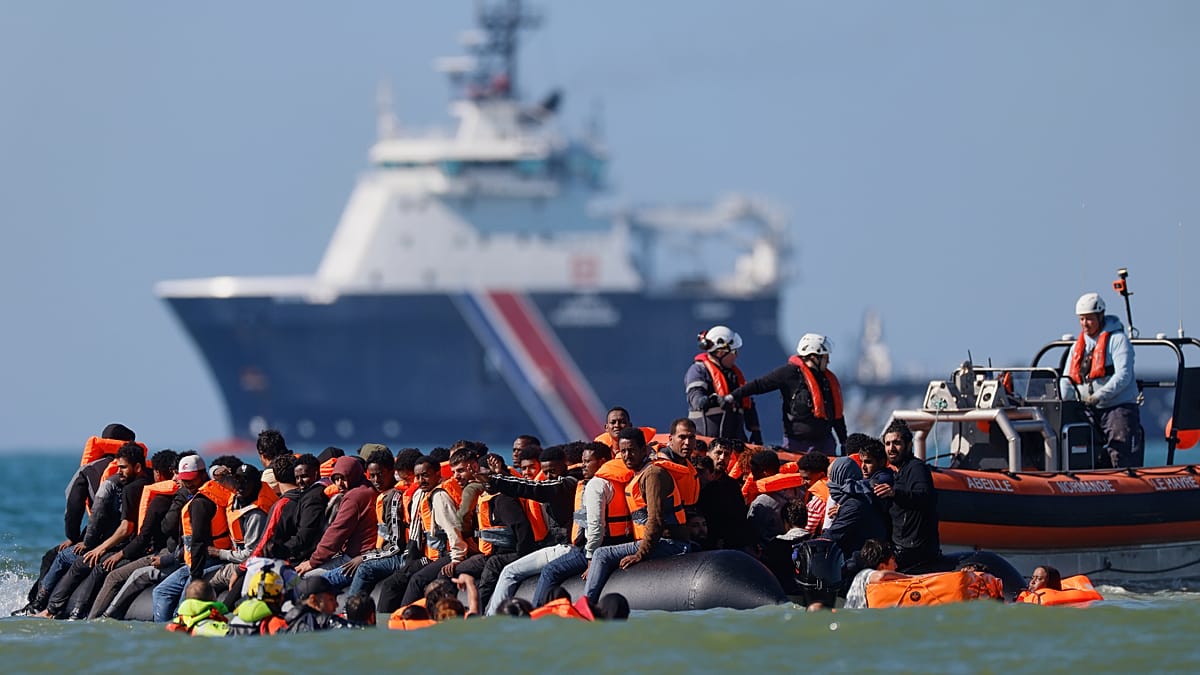
Despite the shifts towards digital economies and the massive investments that countries have been pouring in it, a major share of world trade still goes through narrow water ways. The Strait of Hormuz, Suez Canal, bab el-Mandeb Strait and many more corridors could lead to world trade disruption if partly closed. In 2023 attacks on merchant ships in the Red Sea led to big containers switching their usual route through the Suez Canal and going around Africa instead. It resulted in higher insurances, increased fuel consumption and longer delivery times. At the same time, extreme drought forced the Panama Canal to cut daily Transits. Two of the worlds key sea shortcuts were constrained at once. Securing energy and trade flows in geo-economic conflicts is no longer only about protecting ships and pipelines; it is also about building systems flexible enough to absorb shocks that are now certain to come. The Hormuz crisis of 2026 made that lesson costly, and the states that act on it now will set the terms of the next era of global trade.
Despite the shifts towards digital economies and the massive investments that countries have been pouring in it, a major share of world trade still goes through narrow water ways.
Two years later, on the 28th of February 2026 as the US-Israel-Iran war started, The Iran Revolutionary Guard shut the Strait of Hormuz to control the oil that was being exported from the Gulf Cooperation Council. Within two weeks, the International Energy Agency ‘IEA’ reported that the exports through the Strait of Hormuz had fallen to a tenth of normal flows. Asian importers took the worst hit, as they highly depend on the Gulf’s crude. The damage, however, showed up in prices other than oil; for instance, urea fertilizers also flow through the strait, and its supply disruption led to higher food prices. Gulf countries demonstrated their resilience by finding alternatives to exporting away from the strait of Hormuz. The UAE, for example, Created the Habshan-Fujeirah line, which started construction in 2008 and was finished in 2012, to secure energy trade even if faced by geographical obstacles. Securing energy and trade flows is a significant topic to be discussed at the TRENDS Annual Forum on October 12, 2026, under the theme “Sustainable Security: The Post-War Future of the Middle East”.


