

Published on
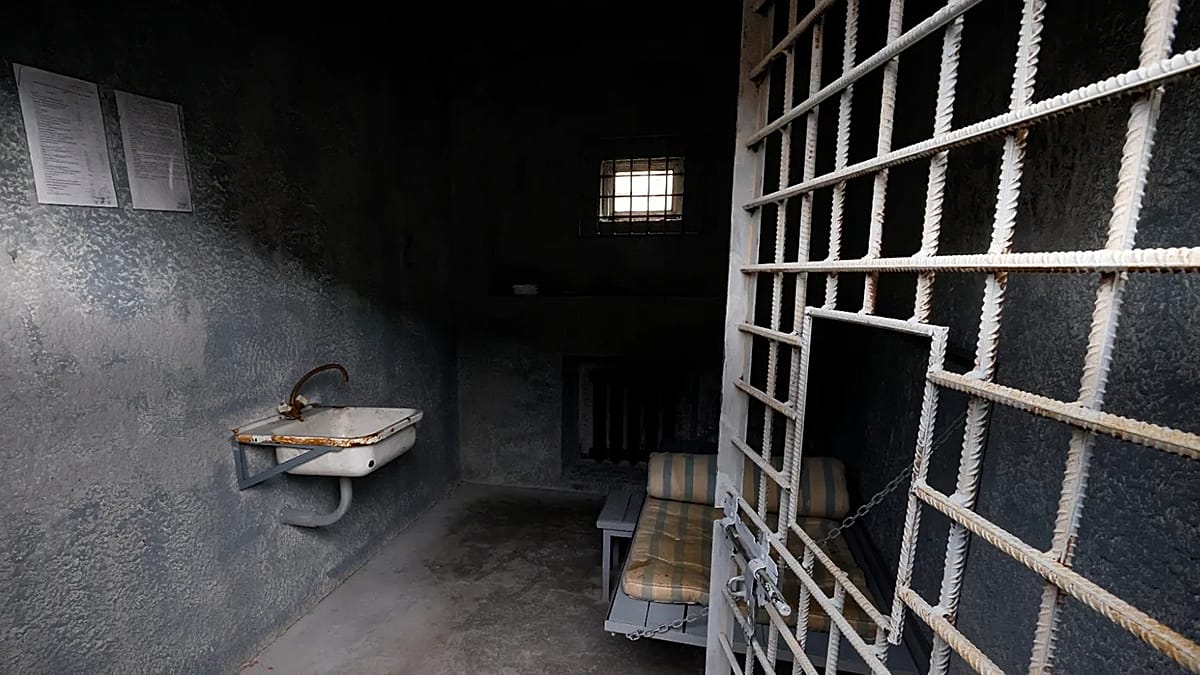
The number of prisoners in Russia has dropped by more than 180,000 over five years, in part driven by Moscow sending convicts to fight in Ukraine, Russia’s prison chief said on Thursday.
In four years of war, Russia has offered prisoners army contracts to fight in Ukraine and buy out their sentences, should they survive.
Russia, which has a massive prison network inherited from Soviet labour camps, has one of the world’s largest convict populations, though that number has been decreasing in the last 20 years.
“If at the end of 2021 there were 465,000 (prisoners), then now there are 282,000,” the head of Russia’s penitentiary service, Arkady Gostev, said, according to the TASS state news agency.
That represents a drop of nearly 40%.
Around 85,000 of the current prison population is held in pre-trial detention, he added.
Gostev said the decline was in part driven by the army’s recruitment drive, but also due to more suspended sentences and other forms of punishment handed out.
Prisoners returning from the Ukraine front have led to an increase in crime and social tension in Russia.
Gostev also said thousands of prisoners were working on production sites in support of the army, contributing to the country’s wartime economy.
Russian prisoners are often made to work, in a system inherited from the Soviet Gulag.
“Over the course of the year, we had additionally deployed 16,000 inmates for these (army) purposes, specifically for manufacturing,” TASS quoted Gostev as saying.
“We produce goods for the special military operation (worth) around 5.5 billion rubles (€64 million),” he said, using Moscow’s term for its full-scale invasion of Ukraine.
“The volume of production (at prison sites) in 2025 amounted to 47 billion rubles (€548 million),” he said, without elaborating how much of it was for army needs.
Russia has experienced a shortage of workers during its offensive, with hundreds of thousands of men at the front and a similar amount fleeing the country due to mobilisation.
Additional sources • AFP