
Close Menu
Daily Guardian EuropeDaily Guardian Europe
  • Home
  • Europe
  • World
  • Politics
  • Business
  • Lifestyle
  • Sports
  • Travel
  • Environment
  • Culture
  • Press Release
  • Trending
What's On

Meloni joins Merz in urging ‘swift implementation’ of EU-Mercosur trade deal – POLITICO

January 23, 2026

Davos is back — but the world it once championed is gone – POLITICO

January 23, 2026

Video. Starmer calls Trump’s remarks about Nato troops in Afghanistan ‘insulting’, urges apology

January 23, 2026

Britain’s finance and trade chiefs to join Keir Starmer’s China trip – POLITICO

January 23, 2026

Greenland ‘very happy with the EU’ for support in face of Trump takeover threats, politician says

January 23, 2026
Facebook X (Twitter) Instagram
Web Stories
Facebook X (Twitter) Instagram
Daily Guardian Europe
Newsletter
  • Home
  • Europe
  • World
  • Politics
  • Business
  • Lifestyle
  • Sports
  • Travel
  • Environment
  • Culture
  • Press Release
  • Trending
Daily Guardian EuropeDaily Guardian Europe
Home»Lifestyle
Lifestyle

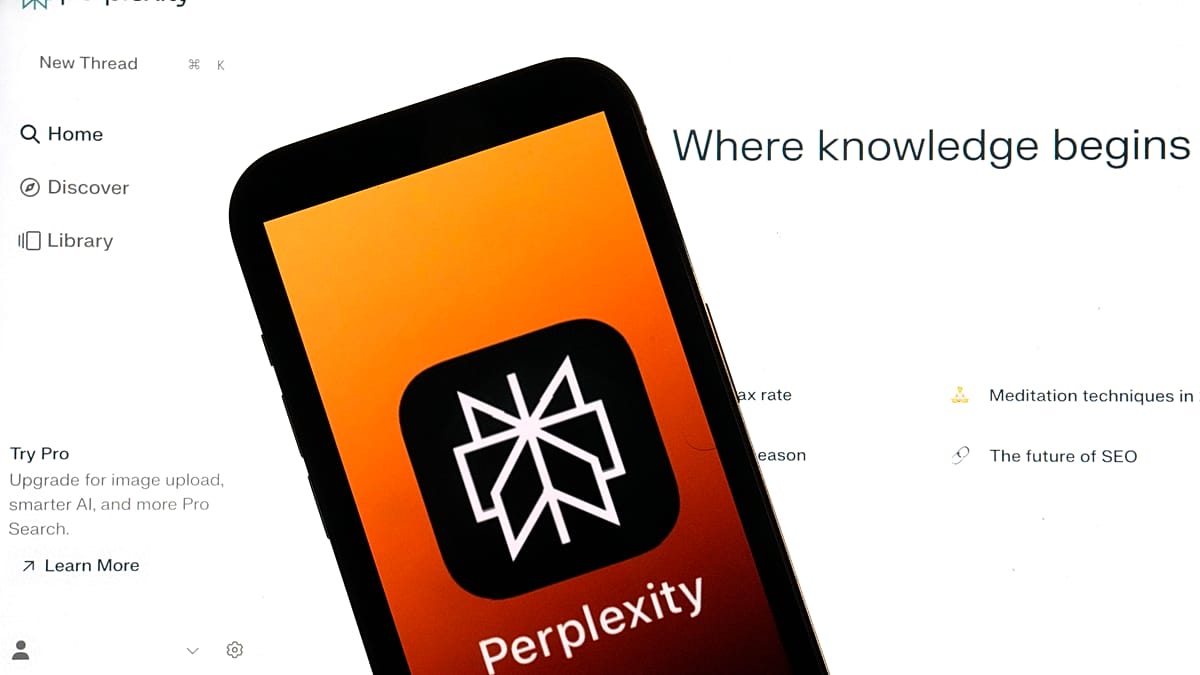
Most people use AI agents for productivity and learning, Perplexity says

By staffDecember 10, 20252 Mins Read
Most people use AI agents for productivity and learning, Perplexity says
Share
Facebook Twitter LinkedIn Pinterest Email

Published on
10/12/2025 – 13:01 GMT+1

Millions of people are using artificial intelligence (AI) agents for learning or productivity in their personal lives, in what researchers say is the first study on their adoption.

AI agents are like online assistants that can plan and execute complex tasks with little human supervision, based on a user’s request. In 2025, many of the world’s biggest AI companies, including Amazon, Google, Microsoft, and OpenAI launched or expanded their own digital assistants.

A Harvard University researcher teamed up with one such company, Perplexity AI, to examine data from the startup’s AI browser and digital assistant, Comet, which launched in July 2025.

The researchers analysed hundreds of millions of queries to understand how the agent was being used and published their findings, which have not yet been peer-reviewed, online this week.

The researchers classified users based on their jobs and the ways they typically used the agent.

People who started using AI agents early on, as well as users from wealthier, more highly educated countries were more likely to “adopt or actively use the agent,” the researchers said.

More than 70 per cent worked in a digital or knowledge-intensive field, for example academia, finance, marketing, or entrepreneurship, the study found.

The fields with the fewest AI agent users were those that “require interacting with the physical environment,” such as energy and agriculture, it said.

Thirty-six percent of all tasks assigned to an AI agent were considered “productivity and workflow” tasks such as creating or editing documents, filtering emails, summarising investment information, or creating calendar events.

The second most common tasks were related to “learning and research,” with 21 percent of queries asking an agent to summarise course materials or research information.

Other popular tasks included assistance with shopping, travel, and job-related searches.

The users asked their AI agents for more help in their personal lives than their professional ones: 55 per cent of questions were related to their after-hours lives compared to 30 per cent that were related to work.

Another 16 per cent of queries were related to education.

The study showed how people used the AI agent evolved over time. Users who started with simple, personal tasks involving topics like travel and media often pivoted over time to more labour-intensive queries that had to do with productivity, learning, and careers.

Share. Facebook Twitter Pinterest LinkedIn Tumblr Email

Keep Reading

Scarlett Johansson, Cate Blanchett among 800 artists calling AI training ‘theft’

Shoppers in Denmark turn to apps to boycott US products amid Greenland tensions

EU telecom reform leaves industry divided over network funding

Elon Musk’s Grok still being used to generate explicit images despite new safeguards, study finds

‘The Silicon Gaze’: ChatGPT rankings skew toward rich Western nations, research shows

NASA rolls out Artemis II rocket for historic Moon mission

Scientists solve mystery of little red dots seen by James Webb Space Telescope

Astronauts return to Earth after first-ever medical evacuation from International Space Station

Elon Musk’s X will block Grok AI tool from creating sexualized images in places where it is illegal

Editors Picks

Davos is back — but the world it once championed is gone – POLITICO

January 23, 2026

Video. Starmer calls Trump’s remarks about Nato troops in Afghanistan ‘insulting’, urges apology

January 23, 2026

Britain’s finance and trade chiefs to join Keir Starmer’s China trip – POLITICO

January 23, 2026

Greenland ‘very happy with the EU’ for support in face of Trump takeover threats, politician says

January 23, 2026

Subscribe to News

Get the latest Europe and world news and updates directly to your inbox.

Latest News

EU can’t relax and go back to normal with Trump, warns Germany’s vice chancellor – POLITICO

January 23, 2026

Russia releases video showing Air Forces patrolling the Baltic Sea in ‘planned flights’

January 23, 2026

We’d like to join your Board of Peace, but we can’t – POLITICO

January 23, 2026
Facebook X (Twitter) Pinterest TikTok Instagram
© 2026 Daily Guardian Europe. All Rights Reserved.
  • Privacy Policy
  • Terms
  • Advertise
  • Contact

Type above and press Enter to search. Press Esc to cancel.