
Close Menu
Daily Guardian EuropeDaily Guardian Europe
  • Home
  • Europe
  • World
  • Politics
  • Business
  • Lifestyle
  • Sports
  • Travel
  • Environment
  • Culture
  • Press Release
  • Trending
What's On

Airlines cancel flights, ground planes as jet fuel shock hits Europe – POLITICO

April 16, 2026

EU rushes to Budapest talks with Magyar team to unlock frozen funds amid Ukraine tensions

April 16, 2026

No. 10 denies Starmer knew Mandelson had failed security vetting – POLITICO

April 16, 2026

Spain immigration officers cancel strike after deal to ease workload from mass migrant amnesty

April 16, 2026

Video. Macron promotes books and theatre as alternatives to screens

April 16, 2026
Facebook X (Twitter) Instagram
Web Stories
Facebook X (Twitter) Instagram
Daily Guardian Europe
Newsletter
  • Home
  • Europe
  • World
  • Politics
  • Business
  • Lifestyle
  • Sports
  • Travel
  • Environment
  • Culture
  • Press Release
  • Trending
Daily Guardian EuropeDaily Guardian Europe
Home»Lifestyle
Lifestyle

EU telecom reform leaves industry divided over network funding

By staffJanuary 21, 20262 Mins Read
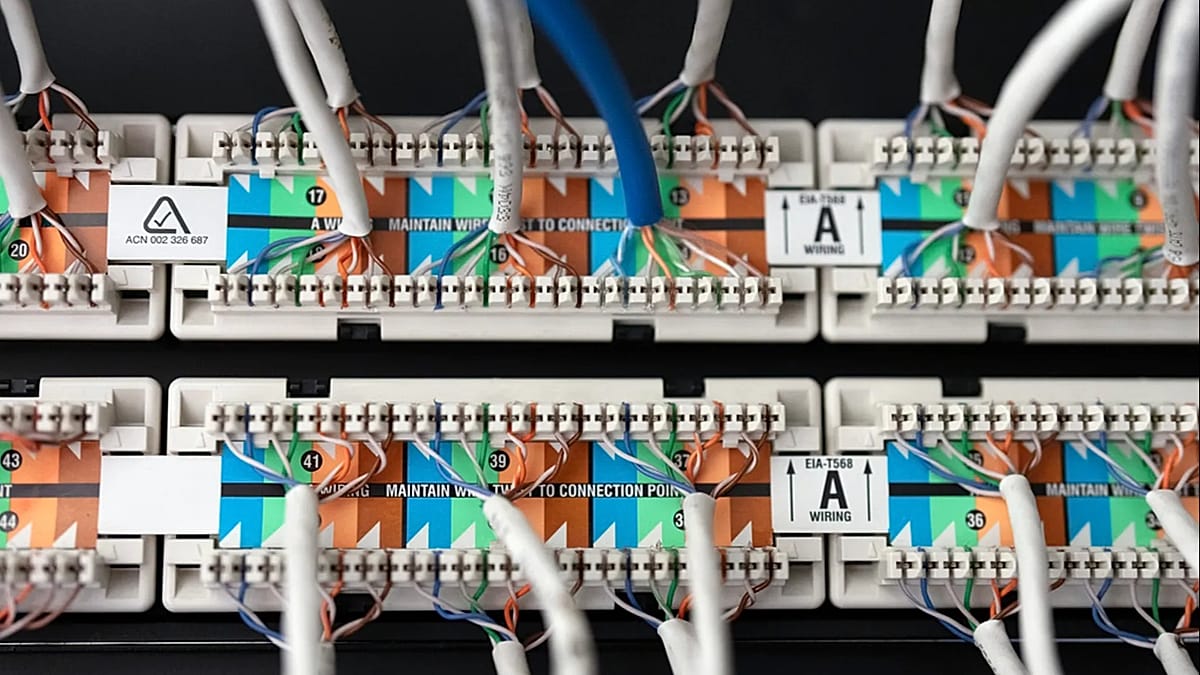
EU telecom reform leaves industry divided over network funding
Share
Facebook Twitter LinkedIn Pinterest Email

Published on
21/01/2026 – 13:54 GMT+1

The European Commission presented its long-awaited Digital Networks Act (DNA) on Wednesday, unveiling reforms meant to modernise the European Union’s telecom sector by reorganising the bloc’s fragmented rules.

The Commission wants to accelerate the rollout of high-speed fibre and 5G, and reduce dependency on foreign tech. Yet the final proposal appears diluted, and has left both the telecom industry and big tech dissatisfied – highlighting the difficulty of reconciling Europe’s ambitions for an unified single telecommunications market with the bloc’s political realities.

At the heart of the tension is the issue of whether tech giants like Google and Netflix should help pay for the networks that carry their data. After intense transatlantic pressure, the Commission backed away from imposing direct “network fees.”

Instead, it proposed a voluntary conciliation mechanism to settle disputes, a move dismissed by telecom operators as a “continuation of the status quo” and criticised by the tech industry as a “backdoor” to the imposition of fees in the future.

A coalition from the creative industry gathering stakeholders from the cinema, sport leagues, music, video games and TV sectors called Creativity Works! also echoed those worries.

“Any mechanism that intervenes in commercial arrangements between creative content providers and telecom companies risks having unintended consequences on the significant investments in creative and cultural works.” wrote Ann Becker, the head of Creativity Works.

She told Euronews that the initiative could threaten the European creative sectors and their ability to provide diverse content and services to European consumers.

Tech Commissioner Henna Virkkunen told reporters that she believes that the “cooperation” approach is working, but kept the door open for future changes.

“Of course if we see that something is not working and there’s big problems then we will have to always think that how we are fixing the things,” she said.

The DNA also pushes for greater EU-level coordination, notably through a single authorisation for satellite networks like SpaceX’s Starlink and harmonised rules for managing radio spectrum.

While intended to create a true single market for connectivity these centralising measures are likely to face resistance from member states wary of ceding control and revenue.

Share. Facebook Twitter Pinterest LinkedIn Tumblr Email

Keep Reading

Forget relying on solar power: NASA plans to put nuclear reactors on the surface of the Moon

Using AI for basic tasks damages a person’s intellect in just 10 minutes, study shows

Watch: Amateur astronomers on Earth catch Artemis II speeding past the stars

Satellites that breathe? The Spanish space startup that won over NATO

God in the machine: Would you take advice from an AI Jesus?

Shooting for the Moon: What’s next for NASA after Artemis II’s lunar fly-by?

How satellites are driving cooperation beyond the Central Asian region

How will AI impact tourism and travel? Your next trip could be entirely planned by ChatGPT

‘Riding a fireball through atmosphere’: How Artemis II astronauts will return to Earth

Editors Picks

EU rushes to Budapest talks with Magyar team to unlock frozen funds amid Ukraine tensions

April 16, 2026

No. 10 denies Starmer knew Mandelson had failed security vetting – POLITICO

April 16, 2026

Spain immigration officers cancel strike after deal to ease workload from mass migrant amnesty

April 16, 2026

Video. Macron promotes books and theatre as alternatives to screens

April 16, 2026

Subscribe to News

Get the latest Europe and world news and updates directly to your inbox.

Latest News

EU’s population to shrink this century, Eurostat projects – POLITICO

April 16, 2026

Pope Leo XIV slams ‘tyrants’ ransacking world on high-security visit to Cameroon

April 16, 2026

Pakistan PM Sharif visits Doha as regional mediation gathers pace for US–Iran talks

April 16, 2026
Facebook X (Twitter) Pinterest TikTok Instagram
© 2026 Daily Guardian Europe. All Rights Reserved.
  • Privacy Policy
  • Terms
  • Advertise
  • Contact

Type above and press Enter to search. Press Esc to cancel.