
Close Menu
Daily Guardian EuropeDaily Guardian Europe
  • Home
  • Europe
  • World
  • Politics
  • Business
  • Lifestyle
  • Sports
  • Travel
  • Environment
  • Culture
  • Press Release
  • Trending
What's On

“Europe has to be saved from itself” — Sweden’s Deputy Prime Minister – POLITICO

February 12, 2026

Video. Storm Nils lashes France’s Atlantic coast, damaging boats and uprooting trees

February 12, 2026

Belgian police raid EU Commission buildings in property sale probe – POLITICO

February 12, 2026

Sinking star: Mercedes operating profits dropped by more than 50%

February 12, 2026

Galicia, Vestland, Normandy: Why these quieter European regions are trending

February 12, 2026
Facebook X (Twitter) Instagram
Web Stories
Facebook X (Twitter) Instagram
Daily Guardian Europe
Newsletter
  • Home
  • Europe
  • World
  • Politics
  • Business
  • Lifestyle
  • Sports
  • Travel
  • Environment
  • Culture
  • Press Release
  • Trending
Daily Guardian EuropeDaily Guardian Europe
Home»Environment
Environment

Monarch butterflies face a 3,000km migration. Can they survive with dwindling nectar supplies?

By staffJanuary 29, 20263 Mins Read
Monarch butterflies face a 3,000km migration. Can they survive with dwindling nectar supplies?
Share
Facebook Twitter LinkedIn Pinterest Email

Published on
29/01/2026 – 7:00 GMT+1

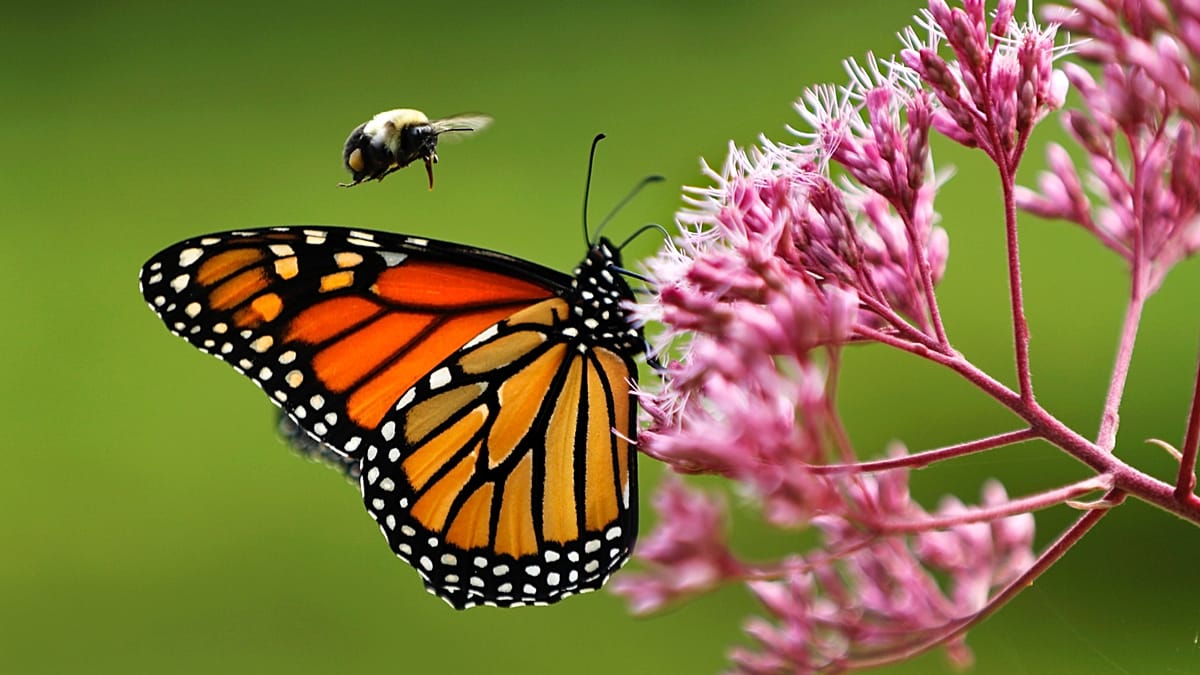
Every autumn, millions of monarch butterflies embark on a treacherous journey – flying more than 3,000 km from Canadian fields all the way to Mexico’s mountain forests for the winter.

It’s a migration that attracts swathes of tourists, as crowds gather across America to marvel at the distinctively orange insects filling the sky. At the end of winter, these butterflies fly north to the US where they lay eggs on milkweed plants.

For years, the monarch butterfly has shown resilience amid the growing threat of climate change. Despite being the size of a large paperclip, they have managed to survive through habitat loss, extreme weather and the growing use of pesticides.

But now, there’s a new snag in their epic trek – and it’s all down to flower nectar.

How climate change is impacting flower nectar

Back in the summer of 2023, a team of scientists from the University of Ottawa started looking at the plants monarchs depend on during their migration.

Published in the journal Global Change Biology Communications, the study found that a tiny increase in temperature (0.6℃) was enough to lower the quality of the nectar that these plants produced. Monarchs that fed on these “warmed” blooms built up around a quarter less body fat than their counterparts.

“It’s the warming that is making the nectar less nutritious,” says Professor Heather Kharouba, who led the experiment.

“Even though the butterflies could eat as much as they wanted, they couldn’t make up for the lower-quality nectar.”

The study found that as temperatures warmed, late-season flowers produced less nectar, and what they did produce was lower in sugar.

‘A wake-up call’ to protect the monarch butterfly

Scientists and conservationists have long expressed concern about the future of monarchs, but this study uncovers a more subtle risk.

“We’re seeing that climate change can hit pollinators indirectly, by degrading the resources they count on,” adds Kharouba.

“I believe the findings are a wake-up call for anyone working to protect these butterflies and, really, for anyone planting a garden or maintaining a park as the planet heats up.”

The study has been used as the focus of a new exhibition titled Flutterings: Monarchs and Climate Change.

Curated by Canadian visual artist Valérie Chartrand, it hopes to spark new conversations about how we care for creatures around us and demonstrate how art-science collaborations can “deepen public understanding of complex environmental issues”.

Share. Facebook Twitter Pinterest LinkedIn Tumblr Email

Keep Reading

Portugal’s interior minister resigns following criticism of flood management

Trump Tracker: How the US is rolling back back climate progress in 2026

Devastating wildfires in Argentina and Chile made three times more likely by climate change

‘One of the most damaging decisions in modern history’: Trump EPA to repeal key climate finding

Too warm to snow: Western US fears wildfires and water shortages while eastern states shiver

‘I don’t even have gloves on’: Olympic town warms up as climate change puts Winter Games on thin ice

Black carbon needs to be regulated to save the Arctic – but geopolitical tensions overshadow it

‘Nobody gives us any incentive’: A family’s solitary fight to save endangered plants in the Amazon

Amsterdam to enact landmark ban on fossil fuel and meat advertising in public spaces

Editors Picks

Video. Storm Nils lashes France’s Atlantic coast, damaging boats and uprooting trees

February 12, 2026

Belgian police raid EU Commission buildings in property sale probe – POLITICO

February 12, 2026

Sinking star: Mercedes operating profits dropped by more than 50%

February 12, 2026

Galicia, Vestland, Normandy: Why these quieter European regions are trending

February 12, 2026

Subscribe to News

Get the latest Europe and world news and updates directly to your inbox.

Latest News

Wie Rüstungs-CEOs um die Milliarden kämpfen – POLITICO

February 12, 2026

Lufthansa strike forces mass flight cancellations across Germany

February 12, 2026

Fortress Europe? EU leaders (once again) head to a castle for high-stakes talks.  – POLITICO

February 12, 2026
Facebook X (Twitter) Pinterest TikTok Instagram
© 2026 Daily Guardian Europe. All Rights Reserved.
  • Privacy Policy
  • Terms
  • Advertise
  • Contact

Type above and press Enter to search. Press Esc to cancel.