
Close Menu
Daily Guardian EuropeDaily Guardian Europe
  • Home
  • Europe
  • World
  • Politics
  • Business
  • Lifestyle
  • Sports
  • Travel
  • Environment
  • Culture
  • Press Release
  • Trending
What's On

Trump vows to sue comic Trevor Noah after Epstein island jibe at Grammys – POLITICO

February 2, 2026

From classroom game to niche meme: How AI character Amelia spread across Europe

February 2, 2026

Record 6,000 sailors abandoned in 2025, mostly by shadow fleets

February 2, 2026

Cheap Chinese exports swamp Latin America, putting local industry under strain

February 2, 2026

Web Summit Qatar: Social app UpScrolled takes on Big Tech with anti-algorithm ethics-first approach

February 2, 2026
Facebook X (Twitter) Instagram
Web Stories
Facebook X (Twitter) Instagram
Daily Guardian Europe
Newsletter
  • Home
  • Europe
  • World
  • Politics
  • Business
  • Lifestyle
  • Sports
  • Travel
  • Environment
  • Culture
  • Press Release
  • Trending
Daily Guardian EuropeDaily Guardian Europe
Home»Environment
Environment

Monarch butterflies face a 3,000km migration. Can they survive with dwindling nectar supplies?

By staffJanuary 29, 20263 Mins Read
Monarch butterflies face a 3,000km migration. Can they survive with dwindling nectar supplies?
Share
Facebook Twitter LinkedIn Pinterest Email

Published on
29/01/2026 – 7:00 GMT+1

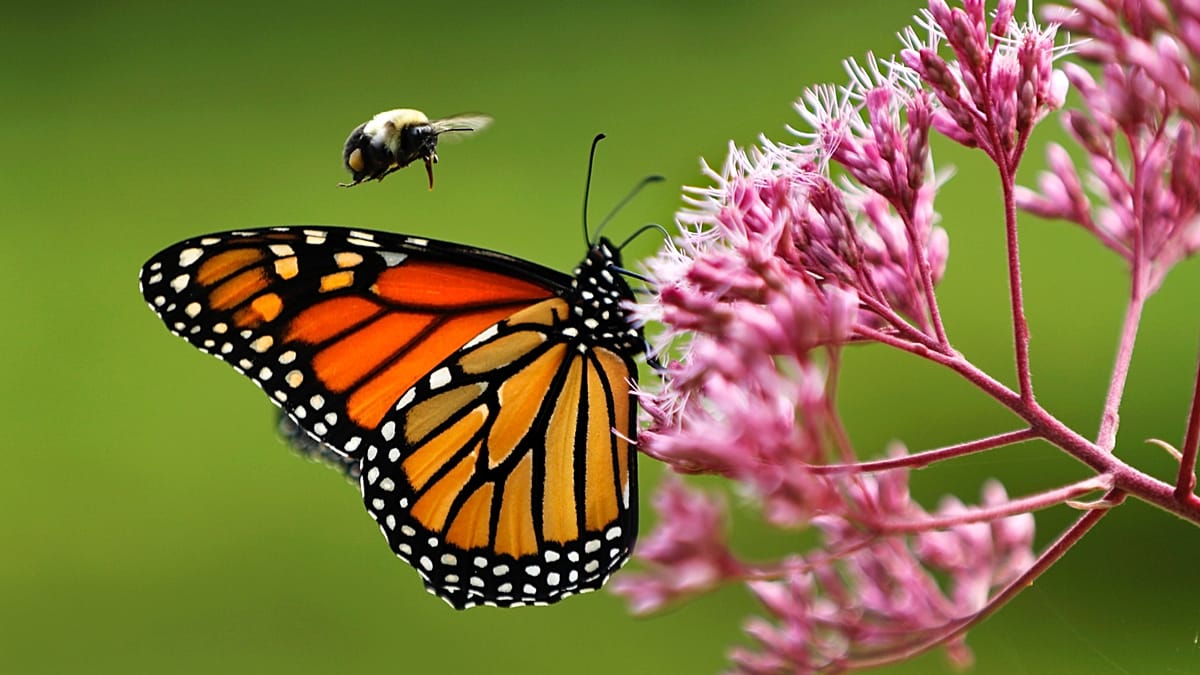
Every autumn, millions of monarch butterflies embark on a treacherous journey – flying more than 3,000 km from Canadian fields all the way to Mexico’s mountain forests for the winter.

It’s a migration that attracts swathes of tourists, as crowds gather across America to marvel at the distinctively orange insects filling the sky. At the end of winter, these butterflies fly north to the US where they lay eggs on milkweed plants.

For years, the monarch butterfly has shown resilience amid the growing threat of climate change. Despite being the size of a large paperclip, they have managed to survive through habitat loss, extreme weather and the growing use of pesticides.

But now, there’s a new snag in their epic trek – and it’s all down to flower nectar.

How climate change is impacting flower nectar

Back in the summer of 2023, a team of scientists from the University of Ottawa started looking at the plants monarchs depend on during their migration.

Published in the journal Global Change Biology Communications, the study found that a tiny increase in temperature (0.6℃) was enough to lower the quality of the nectar that these plants produced. Monarchs that fed on these “warmed” blooms built up around a quarter less body fat than their counterparts.

“It’s the warming that is making the nectar less nutritious,” says Professor Heather Kharouba, who led the experiment.

“Even though the butterflies could eat as much as they wanted, they couldn’t make up for the lower-quality nectar.”

The study found that as temperatures warmed, late-season flowers produced less nectar, and what they did produce was lower in sugar.

‘A wake-up call’ to protect the monarch butterfly

Scientists and conservationists have long expressed concern about the future of monarchs, but this study uncovers a more subtle risk.

“We’re seeing that climate change can hit pollinators indirectly, by degrading the resources they count on,” adds Kharouba.

“I believe the findings are a wake-up call for anyone working to protect these butterflies and, really, for anyone planting a garden or maintaining a park as the planet heats up.”

The study has been used as the focus of a new exhibition titled Flutterings: Monarchs and Climate Change.

Curated by Canadian visual artist Valérie Chartrand, it hopes to spark new conversations about how we care for creatures around us and demonstrate how art-science collaborations can “deepen public understanding of complex environmental issues”.

Share. Facebook Twitter Pinterest LinkedIn Tumblr Email

Keep Reading

‘Emotional traps’ and fake experts: How to spot climate disinformation in 2026

Can this venomous fish become a Greek delicacy? Environmental NGOs hope so

Hague orders Dutch government to protect residents on this sinking island from climate change

1.6 million cubic metres of fake snow are ready for the Winter Olympics. Why is this problematic?

Sea levels are rising across the world. But in Greenland, scientists say they’re about to fall

From ‘psychedelic’ spiders to European eels: 10 species heading into 2026 on the brink of extinction

‘It used to rain a lot more’: Greece’s Epiphany events highlight concerns about water scarcity

Mining, climate and smokescreens: What’s driving Trump’s interest in Greenland?

Richest 1% have ‘blown through’ their carbon budget for 2026 in just 10 days – experts warn

Editors Picks

From classroom game to niche meme: How AI character Amelia spread across Europe

February 2, 2026

Record 6,000 sailors abandoned in 2025, mostly by shadow fleets

February 2, 2026

Cheap Chinese exports swamp Latin America, putting local industry under strain

February 2, 2026

Web Summit Qatar: Social app UpScrolled takes on Big Tech with anti-algorithm ethics-first approach

February 2, 2026

Subscribe to News

Get the latest Europe and world news and updates directly to your inbox.

Latest News

EU’s Entry/Exit System rollout delayed until September over fears of summer travel chaos

February 2, 2026

5 arrested in Germany on suspicion of illegal exports to Russian arms firms – POLITICO

February 2, 2026

How can the EU keep its unicorns? Ask the Euronews AI chatbot

February 2, 2026
Facebook X (Twitter) Pinterest TikTok Instagram
© 2026 Daily Guardian Europe. All Rights Reserved.
  • Privacy Policy
  • Terms
  • Advertise
  • Contact

Type above and press Enter to search. Press Esc to cancel.