
Close Menu
Daily Guardian EuropeDaily Guardian Europe
  • Home
  • Europe
  • World
  • Politics
  • Business
  • Lifestyle
  • Sports
  • Travel
  • Environment
  • Culture
  • Press Release
  • Trending
What's On

Newsletter: Energy shock has Brussels on edge

April 1, 2026

Video. Lorry drivers protest near Paris over soaring fuel prices

April 1, 2026

What the invasion of Ukraine and Iran war should teach Europe about air defence

April 1, 2026

Preparing for a Covid-style crisis  

April 1, 2026

EU warns oil and gas prices will not immediately return to normal even if the Iran war ends

April 1, 2026
Facebook X (Twitter) Instagram
Web Stories
Facebook X (Twitter) Instagram
Daily Guardian Europe
Newsletter
  • Home
  • Europe
  • World
  • Politics
  • Business
  • Lifestyle
  • Sports
  • Travel
  • Environment
  • Culture
  • Press Release
  • Trending
Daily Guardian EuropeDaily Guardian Europe
Home»Lifestyle
Lifestyle

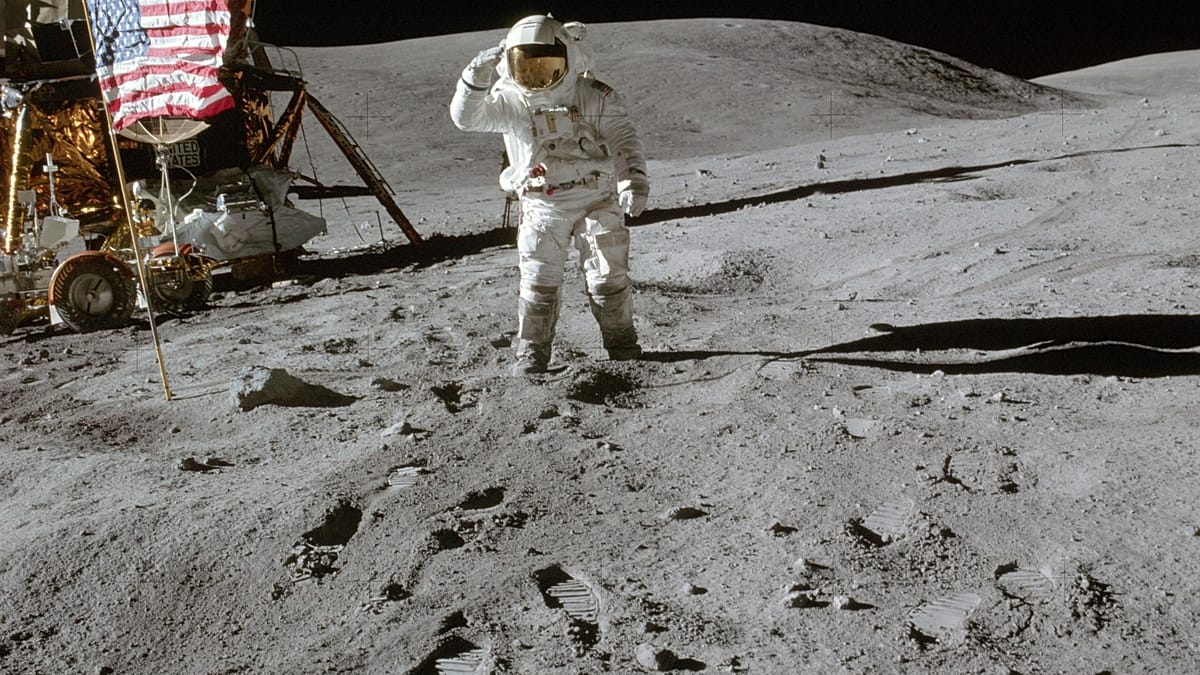
Meet Charlie Duke, the youngest person on the first Moon mission cheering on Artemis II astronauts

By staffApril 1, 20263 Mins Read
Meet Charlie Duke, the youngest person on the first Moon mission cheering on Artemis II astronauts
Share
Facebook Twitter LinkedIn Pinterest Email
By&nbspRoselyne Min&nbspwith&nbspAP

Published on
01/04/2026 – 6:46 GMT+2

Excitement is building as NASA’s new Moon mission approaches, with the Artemis II mission scheduled to launch on Wednesday, April 1.

If successful, the mission will mark humans’ return to the natural satellite in more than half a century.

NASA sent 24 astronauts to the Moon, and twelve of them walked on the surface between 1968 and 1972.

Ahead of the Artemis II mission, Charlie Duke, who was the lunar module pilot for Apollo 16 is cheering on NASA’s new lunar exploration programme.

Now 90 years old, Duke was the youngest person ever to walk on the Moon at the age of 36,

“I’m excited about that, finally getting going on Artemis. I think it’s gonna be a great programme,” said Duke.

“Half the world’s population weren’t even born when we were Apollo… I think a very outstanding motivational tool for the young people to challenge them, say, ‘well, let’s go do that, that’s what I want to do,’” he added.

The Artemis II mission won’t land on the Moon this time, but will instead take the crew thousands of kilometres deeper into space than the Apollo astronauts went for the original Moon landings, roughly 393,000 kilometres, from Earth before looping around the Moon and returning home.

“I’m all for it and I’m all behind them and cheering them on. So it’s going to be an exciting flight… they’ll be able to see the whole backside of the Moon.”

The Space Launch System rocket currently sits ready for the milestone launch at Launch Complex 39B at the Kennedy Space Center.

NASA’s Orion spacecraft, which will be launched on the Space Launch System rocket, stands 98 meters tall and produces more thrust at liftoff than the Saturn V rockets used during Apollo, despite being slightly shorter.

The Artemis II crew was supposed to have blasted off on a lunar flyaround earlier this year, but fuel leaks and other problems with the Space Launch System rocket interfered.

Although NASA managed to plug the hydrogen fuel leaks at the pad in February, a helium-flow issue forced the space agency to return the rocket to the Vehicle Assembly Building for repairs, bumping the mission to April.

NASA’s longer-term goal is to establish a sustained human presence on the Moon, including habitats, rovers and infrastructure, as a stepping stone for missions to Mars. NASA aims for a two-person landing in 2028, as part of the new Artemis programme.

Video editor • Roselyne Min

Share. Facebook Twitter Pinterest LinkedIn Tumblr Email

Keep Reading

‘Europe needs AI cloud infrastructure’: Mistral raises $830m for data centre near Paris

What is Anthropic’s Mythos? The leaked AI model that poses ‘unprecedented’ cybersecurity risks’

How misinformation and AI deepfakes on social media are reshaping the Iran war

Maps, Math, and the Moon: How women’s innovations have shaped modern computer science

Robotics can improve musical timing between performers, new study shows

Space creature or humble potato? What NASA astronaut Don Pettit’s latest photo actually shows

A new era of quantum computing may pose threats closer than we think, Google warns

Judge rejects Trump administration’s ‘Orwellian’ branding of Anthropic as national security threat

AI tools risk distorting users’ judgment by agreeing too often with them, researchers say

Editors Picks

Video. Lorry drivers protest near Paris over soaring fuel prices

April 1, 2026

What the invasion of Ukraine and Iran war should teach Europe about air defence

April 1, 2026

Preparing for a Covid-style crisis  

April 1, 2026

EU warns oil and gas prices will not immediately return to normal even if the Iran war ends

April 1, 2026

Subscribe to News

Get the latest Europe and world news and updates directly to your inbox.

Latest News

Meet Charlie Duke, the youngest person on the first Moon mission cheering on Artemis II astronauts

April 1, 2026

Venice’s hotel boom: Luxury openings reshaping stays in 2026

April 1, 2026

Merz und Trump – das Ende der Bromance – POLITICO

April 1, 2026
Facebook X (Twitter) Pinterest TikTok Instagram
© 2026 Daily Guardian Europe. All Rights Reserved.
  • Privacy Policy
  • Terms
  • Advertise
  • Contact

Type above and press Enter to search. Press Esc to cancel.