
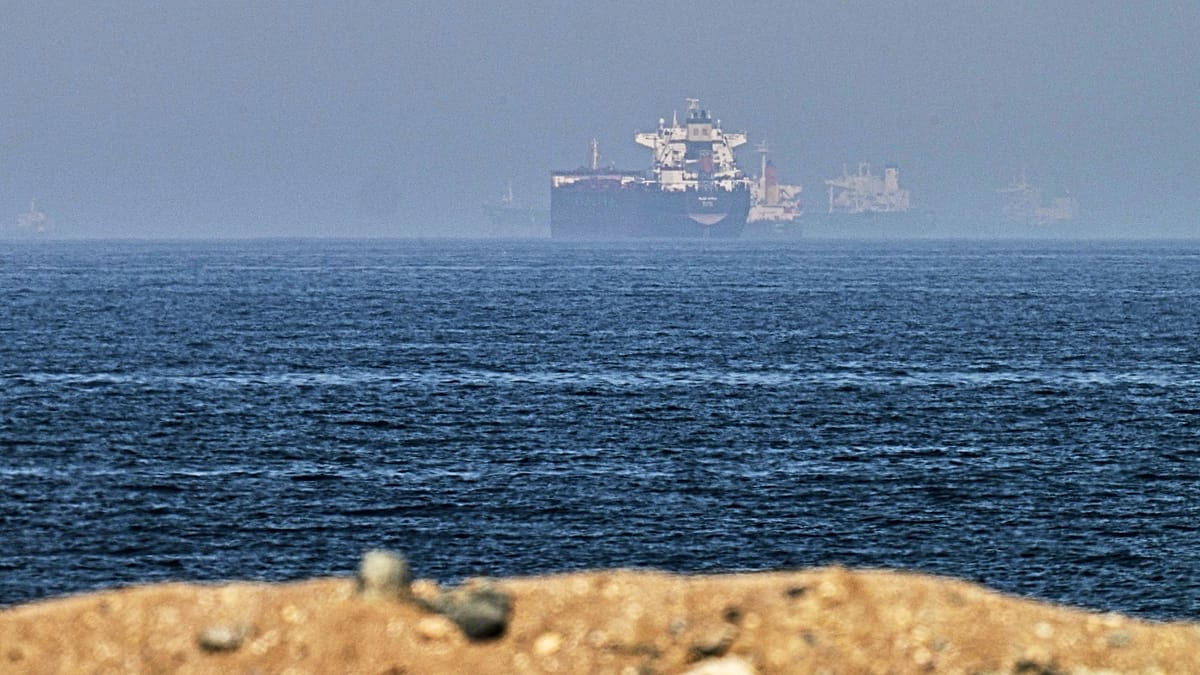
Iran and Oman on Wednesday finalised an agreement on what Tehran calls the geographical coordinates of a proposed shipping route through the Strait of Hormuz.
Iran’s Foreign Ministry spokesman Esmaeil Baghaei said Iran and Oman are preparing a joint statement on the agreement which includes technical, legal, security and environmental points.
Separately, Iranian media quoted official sources saying that the reopening of the Strait would depend on the US ending its naval blockade of the country’s ports.
The key aspect of such an agreement revolves around Tehran’s insistence to charge fees for passage as it claims sovereign control of the key waterway, in direct opposition with the United States and the Gulf countries who insist that navigation must remain free as stipulated by the UN Convention on the Law of the Sea.
“Provided that certain third parties do not obstruct the process, a joint statement by the two countries outlining the main considerations and points agreed upon is also being reviewed and finalized,” Baghaei said referring to the US as a “third party”.
Baghaei however underlined that the Iran-Oman agreement in itself cannot guarantee the safety of navigation through Hormuz as long as “the US naval blockade and other actions against Iran and its interests remain in place.”
Tehran’s announcement comes amid several days of intense speculation on the two-month long negotiations between Iran and Oman, which Tehran insists are in line with the Memorandum of Understanding signed with the United States in June.
Contradictory comments on US-Iran talks
Earlier on Wednesday, Iranian state television reported that the Iran-Oman talks focus on setting up a “middle corridor” through the Strait of Hormuz, to be controlled by the two countries.
Another Iranian state media outlet reported that the agreement would not immediately result in the reopening of the strait due to what Tehran calls “US violations”, and that the negotiations “have nothing to do with the United States”.
“The reopening of the Strait of Hormuz depends on a change in US behaviour and the correction of its violations,” state TV channel IRIB said.
However, US President Donald Trump insisted in an interview with US broadcaster Fox News on Tuesday night that the US is part of the Hormuz negotiations, which are “moving along very nicely”.
“The Strait is going to be open very soon, or they are going to get hit very hard, and then the strait is going to be open,” Trump said.
The waterway, a crucial energy transit chokepoint that carries roughly a quarter of the global seaborne oil trade, was effectively closed by Iran after US and Israeli strikes in late February, sparking wild swings in energy markets.
Former head of Israel’s military intelligence research department Danny Citrinowicz commented on X that “from day one, it was clear that restoring the Strait of Hormuz to its pre-crisis status would have required either regime change in Iran or a sustained military effort to impose control over the waterway.”
“Neither option was politically or strategically acceptable to Washington, given the enormous costs and long-term commitments they would require. Sometimes, the least desirable option is the only realistic one,” Citrinowicz said.
Additional sources • AFP