

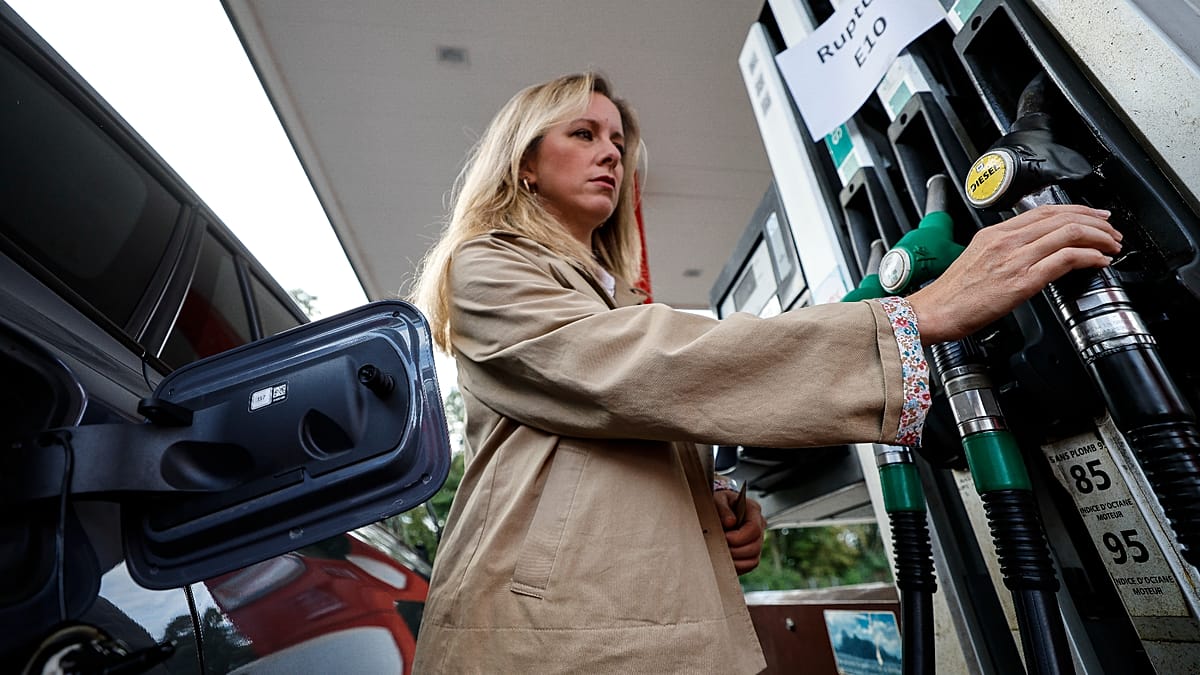
Wars in the Middle East and Ukraine are prompting governments across Europe to introduce subsidies, change taxes and revise policies to shield their economies, companies and households from record petrol and diesel prices.
Countries around the world have intervened to limit the economic impact of diminished energy supplies and soaring fuel prices since the start of the Iran war, according to the Organisation for Economic Co-operation and Development (OECD). Seven of the 10 nations taking the most measures to contain the economic damage are in the European Union, the OECD said in a report published Wednesday.
Before the United States and Israel attacked Iran, Russia’s war in Ukraine had already disrupted global energy supplies and caused turmoil in Europe. The EU imports nearly all of the oil it uses and 85% of its natural gas. Overall, imports meet 57% of the bloc’s energy needs, with much of its domestically produced energy coming from renewable and nuclear sources, according to the EU’s statistical office.
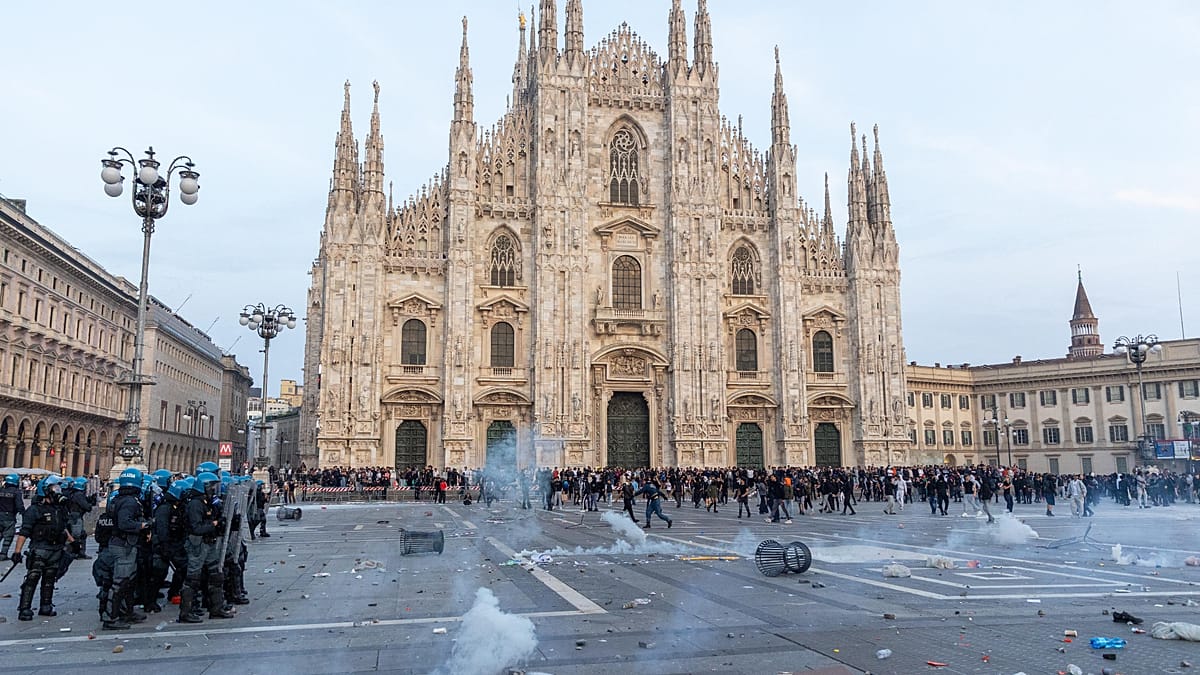
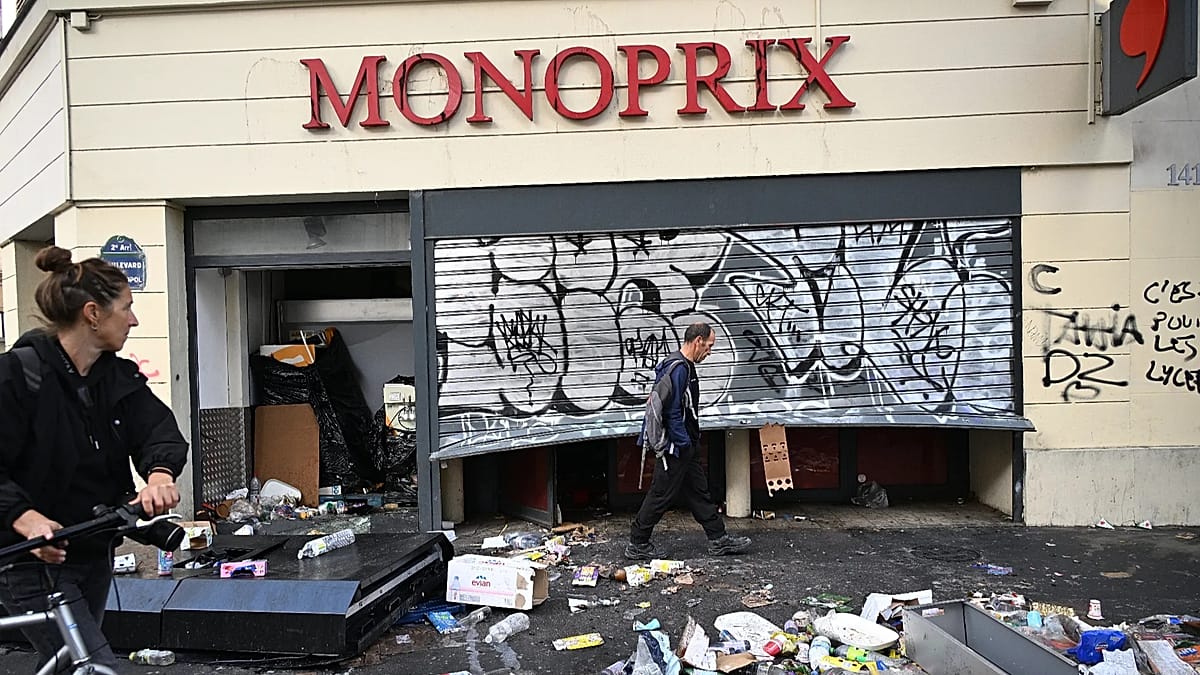
Europeans are becoming increasingly frustrated as pump prices reach record highs in some European countries. EU drivers are spending an extra €203 million a day on diesel alone, according to campaign group Transport & Environment.
“It’s a cruel irony that the US is the least vulnerable to a crisis of its own making, while Europe’s economy again takes the hit,” Antony Froggatt, an analyst at the organisation, said.
Some European governments are spending billions to help their countries weather the current energy crisis.
EU leaders in Brussels gave member states temporary discretion to provide state aid to households and energy-intensive industries such as agriculture, transport and fishing.
They also offered limited leeway from EU spending rules for investments that strengthen energy security and reduce the bloc’s long-term reliance on imported oil and natural gas.
“The pressures from higher energy prices and borrowing costs are biting for people and for businesses,” European Commission President Ursula von der Leyen said in her annual State of the European Union address last week.
“We need to double down on our affordable, homegrown, clean energy, be it renewables and nuclear, or biomethane and others” to “give us independence and drive down energy prices.”
France expands aid for diesel users and frequent drivers
France has adopted an expanding array of targeted measures to cushion consumers and fuel-intensive businesses from higher prices.
The French government on Tuesday announced a €450 million package to expand its relief measures. It broadened income-based aid for people who drive more than 30 kilometres on a round trip to work or more than 8,000 kilometres annually for professional purposes. The expansion makes 5.5 million workers eligible for €100 payments to help cover fuel costs through the end of the year, the government said.
The new package also extended fuel subsidies for farmers, fishers and construction companies until the end of the year. Energy vouchers worth €48 to €277 will also be made available three months early to help 5.8 million families pay their winter energy bills.
French President Emmanuel Macron has asked von der Leyen to consider relaxing EU fuel quality regulations on density, sulfur content and other criteria to help increase diesel and kerosene production in Europe. The EU took a similar step during the COVID-19 pandemic.
In a letter to the EU executive, Macron warned that the global oil market would soon see “strong increases in prices” if the Strait of Hormuz off Iran’s coast did not reopen to tanker traffic and Saudi Arabia’s East-West pipeline to the Red Sea was not repaired, according to the Associated Press.
He also called for raising the EU limit on conventional biodiesel content in standard diesel fuel from 7% to 10%.
Germany and Spain cut fuel taxes
A two-month round of fuel tax cuts in Germany expired at the end of June. The government agreed last week to renew the tax cuts, which will lower petrol and diesel prices by 17 cents per litre from 1 October until the end of the year. The German government said the new reduction will cost €2.5 billion.
The government also said it would hold talks with the oil industry about introducing a fuel price cap by 1 January. Belgium and Luxembourg have had similar price caps in place for decades.
Spain’s government also extended petrol and diesel tax cuts it introduced in March as part of a €5 billion ($5.7 billion) package to counter the effects of the Iran war on domestic energy prices.
The tax break amounted to 5 cents per litre this month. An automatic mechanism would increase it to 20 cents per litre if annual fuel price inflation exceeds 15%.
The government also extended fuel subsidies for transport companies, farmers, livestock producers and fishers.
The US has become one of the EU’s most important energy suppliers
Alongside national relief programmes, EU nations have tapped their strategic reserves as part of an agreement by the International Energy Agency’s 32 member countries to make 400 million barrels of oil from their emergency stockpiles available to the market.
The EU has worked to reduce its reliance on energy imported from Russia by producing more renewable energy and switching equipment and industries from fossil fuels to electricity.
Von der Leyen said greater electrification could reduce the EU’s annual bill for imported oil, gas and other fossil fuels by €260 billion ($296.6 billion) by 2040.
As the EU tried to wean itself off Russian energy, it became more dependent on the United States. Von der Leyen agreed to a deal with President Donald Trump last year that included a commitment for the EU to buy $750 billion worth of American energy over three years.
The Iran war has made the relationship both more vital and more complicated for the EU, which has increasingly turned to the US for diesel. Trump’s support this week for a ban on US diesel exports to lower domestic prices has raised concerns in the bloc, which would have to find alternative sources of the fuel.
Brussels is lobbying Washington to drop the idea of suspending overseas diesel sales.
“We believe this is a bad idea,” European Commission spokesperson Olof Gill said Thursday. “EU-U.S. cooperation in the field of energy is strong, stable and mutually beneficial. Any disruption would risk negatively impacting both sides.”