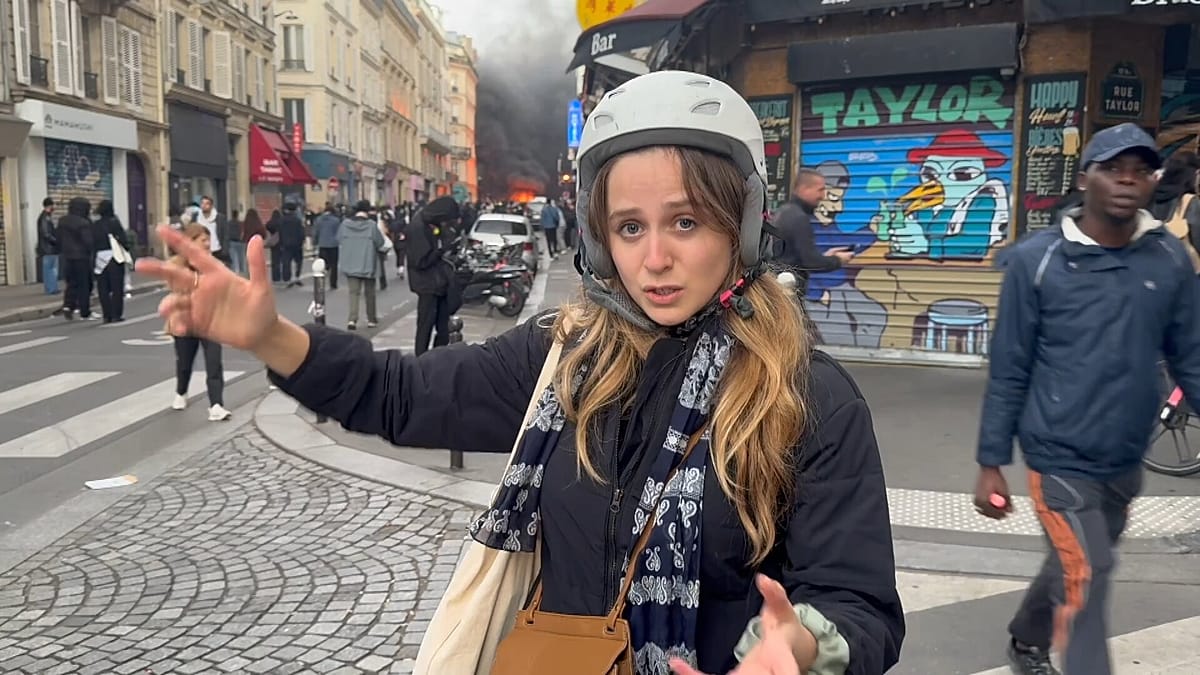
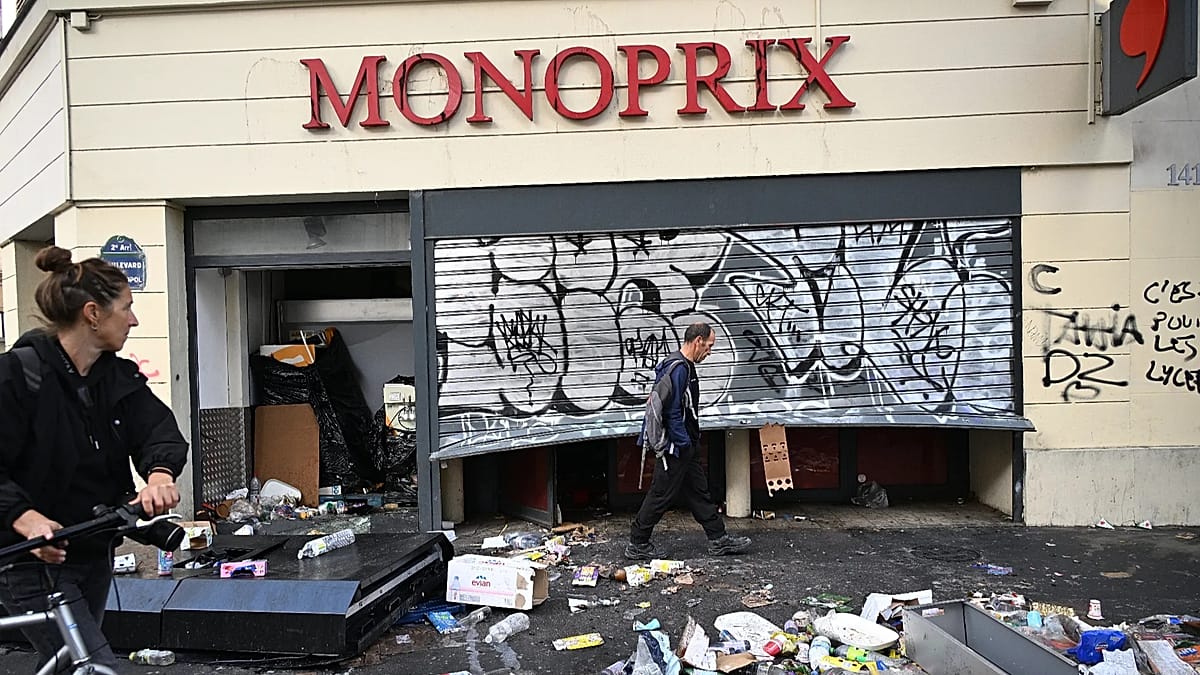
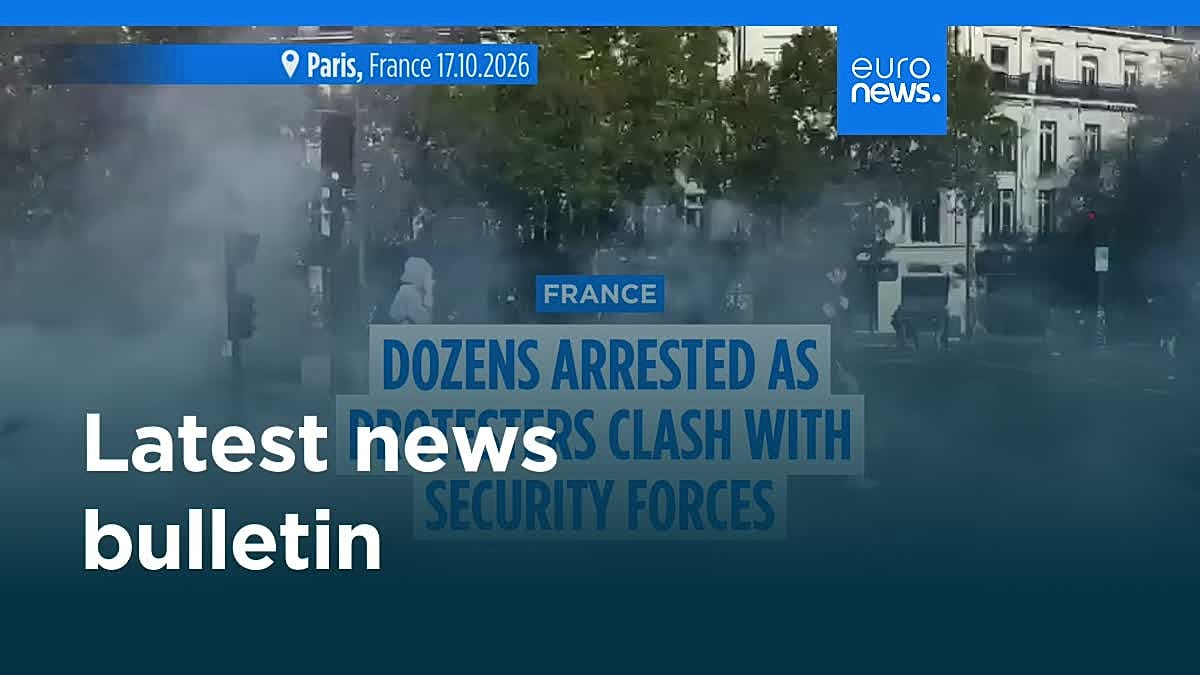

In the wake of the protests that erupted in France, demonstrations against the rising cost of living have also taken place in Italy, spilling over into violent clashes with the police.
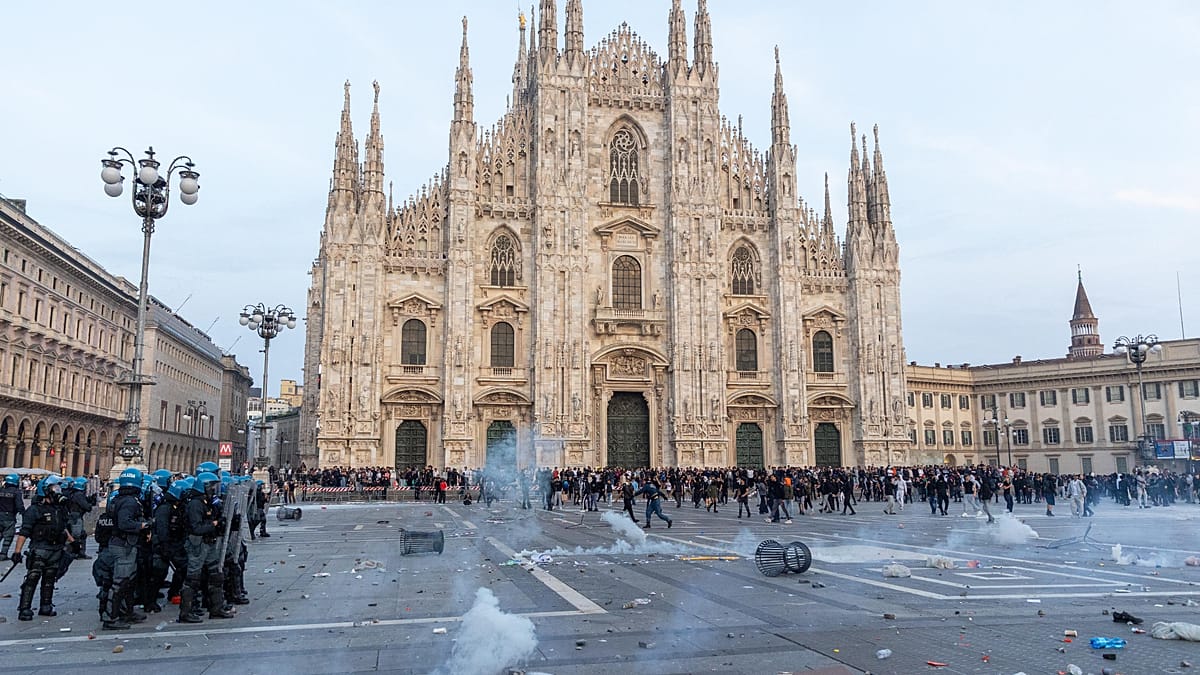
The worst tensions were reported in Milan, where the march first degenerated in Via Broletto and then in the city centre, particularly in Piazza Duomo, turning into scenes reminiscent of urban guerrilla warfare. In the Lombardy capital, 25 people were injured and taken to various Milan hospitals, ten of them police officers. None of the injured was in a condition requiring emergency red-code transport.
Clashes in Milan: shops attacked, portable toilet set on fire
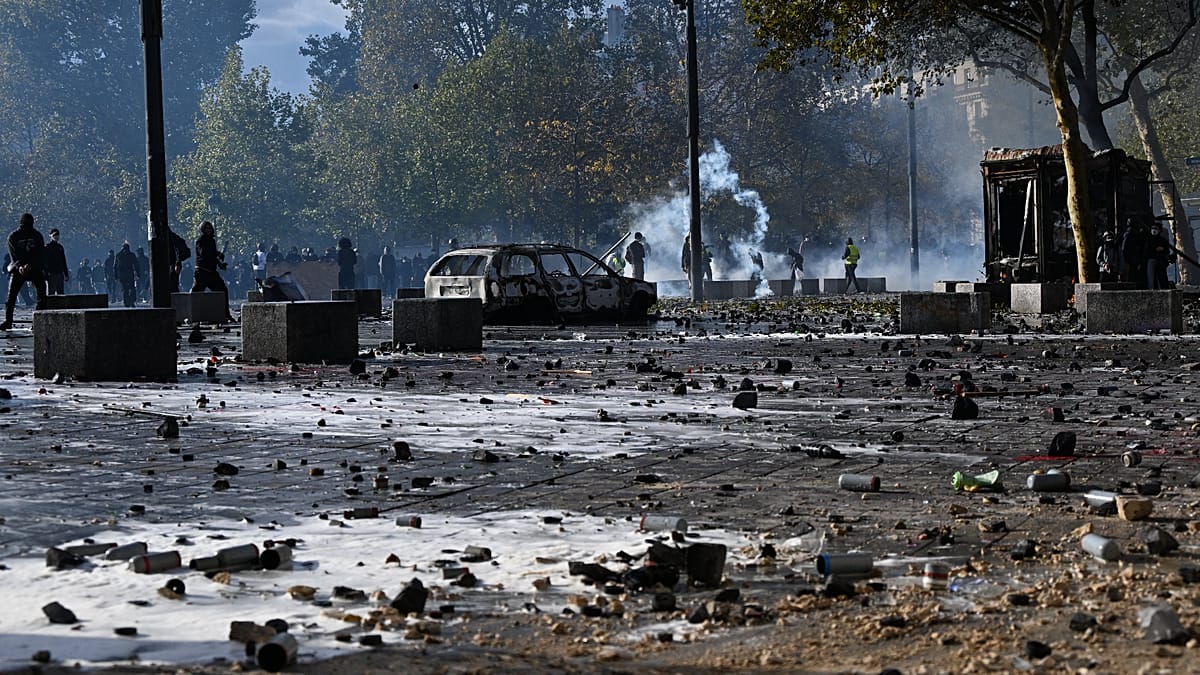
During the unrest in Milan, police fired tear gas and used water cannon and hydrants to disperse the crowd, while demonstrators set off fire extinguishers, used firecrackers and fireworks and hurled objects including rubbish bins and barriers.
The charge by officers in riot gear also reached the Galleria Vittorio Emanuele II, and the M1 and M3 underground stations were closed. Several shops in the city centre were vandalised, a portable toilet in Piazza Duomo was set on fire and, in the side streets, chairs were thrown, tables overturned and rubbish bins and benches ripped up. By the end of the protest, 50 people had been detained, half of them minors.
In Turin 12 people detained, 10 of them minors
Tensions and clashes were also reported in Turin. For around an hour the city saw unrest involving very young hooded protesters, bins torn up and pushed into the middle of the road, and tables and chairs from outdoor terraces used as barricades, as well as bottles, firecrackers, sticks and stones thrown at the police.
Officers stopped 12 people, 10 of them minors, found in possession of petrol bombs, firecrackers, cobblestones and emergency window hammers; some are considered suspected perpetrators of damage and their position is being assessed by investigators.
Protest in Bologna near the station: 7 detained
In Bologna the clashes were concentrated around the railway station and in Piazza Medaglie d’Oro, where hooded youths threw a barrage of stones and objects and dozens of hire bikes were knocked to the ground. The march, which set off in the early afternoon from Piazza Minghetti with chants against price rises before moving on towards Via Farini and Via Marconi, saw a group of protesters break away near the station to throw smoke bombs, glass bottles and barriers.
The police used water cannon and tear gas, and the protest then moved towards central Via Indipendenza. Seven people have so far been detained and their position will be examined.
Meloni urges the opposition to condemn the violence
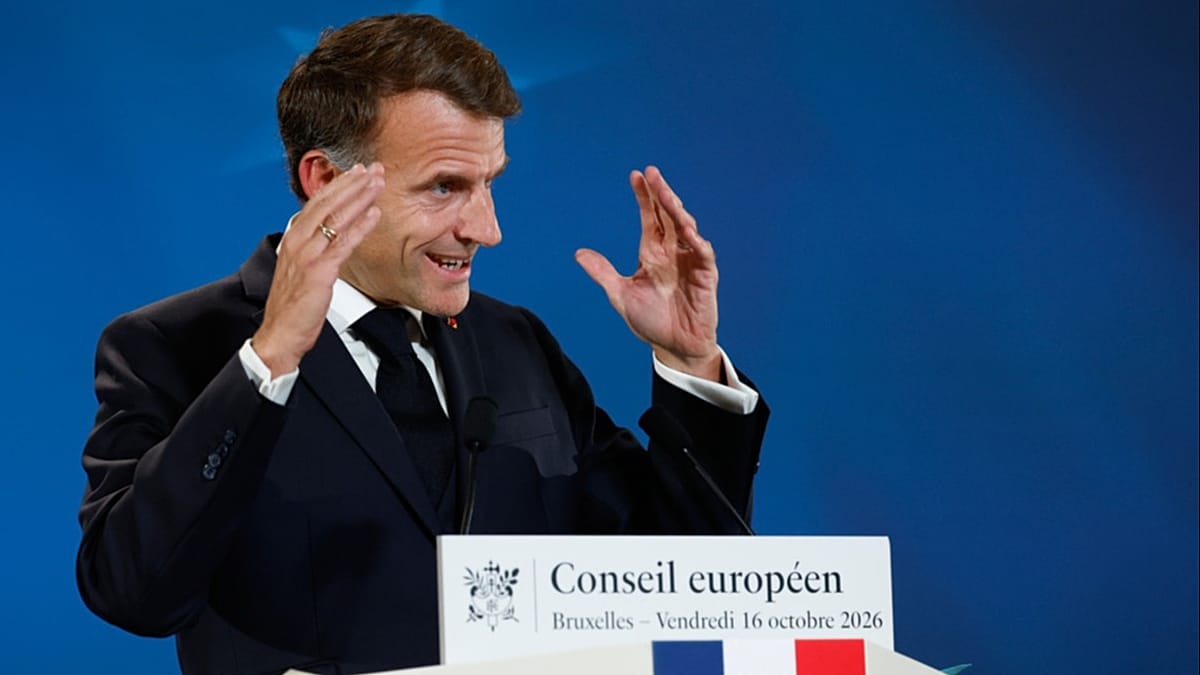
Several political figures commented on the afternoon’s events. Prime Minister Giorgia Meloni, referring to the CGIL trade union demonstration held on Saturday afternoon, said that taking to the streets is a right, but went on to condemn the protests in Italian cities, posting a video of the clashes in Milan. “I renew my request to the opposition: do not be ambiguous on this. Any reticence becomes a justification,” Meloni added.
Deputy Prime Minister and Foreign Minister Antonio Tajani said that “It is unacceptable that part of the centre-left is fanning the flames in an attempt to make up for its lack of ideas and proposals“, while fellow deputy premier and Transport Minister Matteo Salvini claimed that the squares were filled with “social centres, maranza and rotten left-wing riff-raff. Will there still be those who protect and defend them?”
On the other side of the political spectrum, Milan mayor Giuseppe Sala commented: “The reasons for the protest were understandable. The violence against the police and the serious damage to the city are unjustifiable. Politics can choose to exploit the situation in search of electoral consensus. Or it can choose to face this extremely difficult moment in history with wisdom: I hope that is the path taken.” Pierfrancesco Majorino, Democratic Party group leader in the Lombardy regional council, said: “The violent incidents today are absolutely unjustifiable and must be firmly condemned. However, no one can use them to criminalise the female and male students who have been taking to the streets peacefully for days, raising crucial issues such as the right to housing, education and, more broadly, their future.”