
Close Menu
Daily Guardian EuropeDaily Guardian Europe
  • Home
  • Europe
  • World
  • Politics
  • Business
  • Lifestyle
  • Sports
  • Travel
  • Environment
  • Culture
  • Press Release
  • Trending
What's On

AI on the battlefield: How is the US integrating AI into its military?

March 6, 2026

Stargazing, culture, beer: Why Bavaria should be on your 2026 must-visit list

March 6, 2026

Formula One comes to Apple TV: Everything you need to know about the new F1 2026 season

March 6, 2026

Protecting the electricity grid is crucial for national security – POLITICO

March 6, 2026

More than 30 of Iran’s ships sunk so far, US says, as strikes on Tehran intensify

March 6, 2026
Facebook X (Twitter) Instagram
Web Stories
Facebook X (Twitter) Instagram
Daily Guardian Europe
Newsletter
  • Home
  • Europe
  • World
  • Politics
  • Business
  • Lifestyle
  • Sports
  • Travel
  • Environment
  • Culture
  • Press Release
  • Trending
Daily Guardian EuropeDaily Guardian Europe
Home»Environment
Environment

Europeans’ ‘psychological bias’ to climate change risks slowing down progress, warns study

By staffJanuary 26, 20262 Mins Read
Europeans’ ‘psychological bias’ to climate change risks slowing down progress, warns study
Share
Facebook Twitter LinkedIn Pinterest Email

Published on
12/01/2026 – 12:19 GMT+1

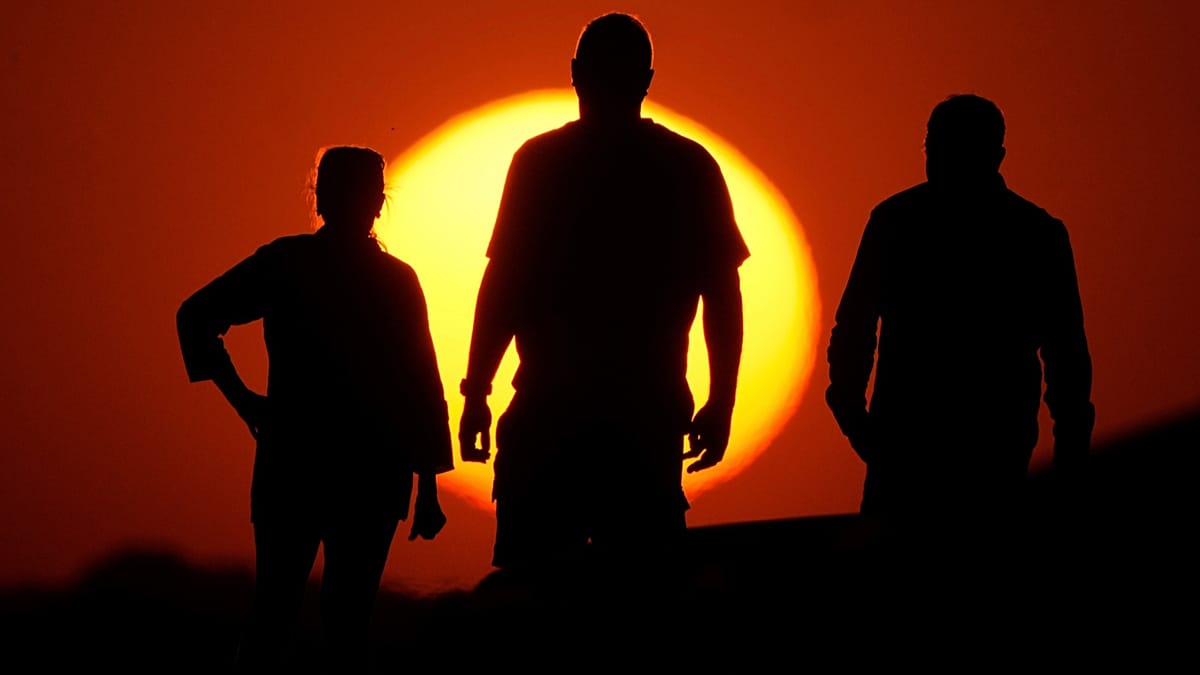
Most people believe that climate change affects others more than themselves, as scientists warn that our “psychological bias” may be hindering efforts to curb global warming.

Researchers at the University of Gothenburg in Sweden recently analysed 83 studies involving more than 70,000 people from 17 countries. This includes participants from the US, Asia, and Europe.

Published in the journal Nature Sustainability, their study found that climate-related risks are “systematically underestimated” – even when people take the consequences of the climate crisis seriously.

Who does climate change impact?

The meta-analysis found that 65 per cent of participants assessed their own risk of being affected by climate change as lower than others, which scientists argue could reduce individual willingness to tackle rising temperatures.

They say that having the choice of a reference group plays a significant role in this ‘not-me’ way of thinking, with risk assessments being most distorted when people compare themselves with “general others”. This may be fellow citizens, humanity as a whole, as well as countries with lower overall climate risk.

This effect was mostly observed in Europe – despite the continent warming at roughly double the global average rate. Last year, this fuelled the frequency and severity of extreme weather events, triggering short-term economic losses of at least €126 billion and killing thousands.

81 out of 83 studies included in the analysis showed that participants rated their own risk as lower than that of others, or lower than the average, both in relation to extreme weather events and more general climate-related risks.

“We found the effect in all but two studies, where participants were farmers in China and South Korea who had been directly exposed to the consequences of climate change,” says Pär Bjälkerbring, a senior lecturer in Psychology at the University of Gothenburg.

“This suggests that direct experience reduces the effect.”

A ‘psychological bias’ to climate change

Researchers say their results show that our understanding of climate-related risks is “limited and flawed” and could delay necessary climate action.

“Even when people recognise the real risks posed by climate change, many seem to perceive these risks as primarily affecting others,” says Magnus Bergquist, a senior lecturer in Psychology at the University of Gothenburg.

“This is a psychological bias that, in the worst case, can slow down climate adaptation and mitigation efforts.”

Share. Facebook Twitter Pinterest LinkedIn Tumblr Email

Keep Reading

World Book Day: Climate-related reads that offer hope, healing and growth

Ferries in Europe emit more CO2 than 6.6 million cars. Which ports are the worst culprits?

‘Irreversible loss’: How climate change is threatening Europe’s sunken civilisations

‘The world remains unprepared’: Why scientists are calling for a global assessment of climate change

‘This reform is a disaster’: Climate groups slam Germany for scrapping renewable heating law

Could glacier melt slow climate change? Scientists thought so – until now

Are ‘microwave safe’ labels misleading? New report exposes health and environmental harms

‘Hothouse’ Earth: Scientists sound alarm as multiple climate systems near critical tipping points

The ‘culture war’ on net zero: Why have Brits stopped supporting climate policies?

Editors Picks

Stargazing, culture, beer: Why Bavaria should be on your 2026 must-visit list

March 6, 2026

Formula One comes to Apple TV: Everything you need to know about the new F1 2026 season

March 6, 2026

Protecting the electricity grid is crucial for national security – POLITICO

March 6, 2026

More than 30 of Iran’s ships sunk so far, US says, as strikes on Tehran intensify

March 6, 2026

Subscribe to News

Get the latest Europe and world news and updates directly to your inbox.

Latest News

Europe’s train drivers: How do their salaries stack up?

March 6, 2026

Krisentreffen in München – POLITICO

March 6, 2026

To fix Europe’s food system, start with the school lunch – POLITICO

March 6, 2026
Facebook X (Twitter) Pinterest TikTok Instagram
© 2026 Daily Guardian Europe. All Rights Reserved.
  • Privacy Policy
  • Terms
  • Advertise
  • Contact

Type above and press Enter to search. Press Esc to cancel.