



Europe’s central banks now have a working bridge into tokenised markets.
Launched on Monday, Pontes lets wholesale transactions in tokenised assets, meaning stocks, bonds and other instruments recorded as digital tokens on distributed ledgers, to settle in the safest form of money available — reserves held at the central bank itself.
It matters because the absence of a risk-free settlement asset has been one of the main barriers holding blockchain technology back. Without it, tokenised trades have typically settled in commercial bank money or stablecoins, carrying credit risk that large institutions are reluctant to accept.
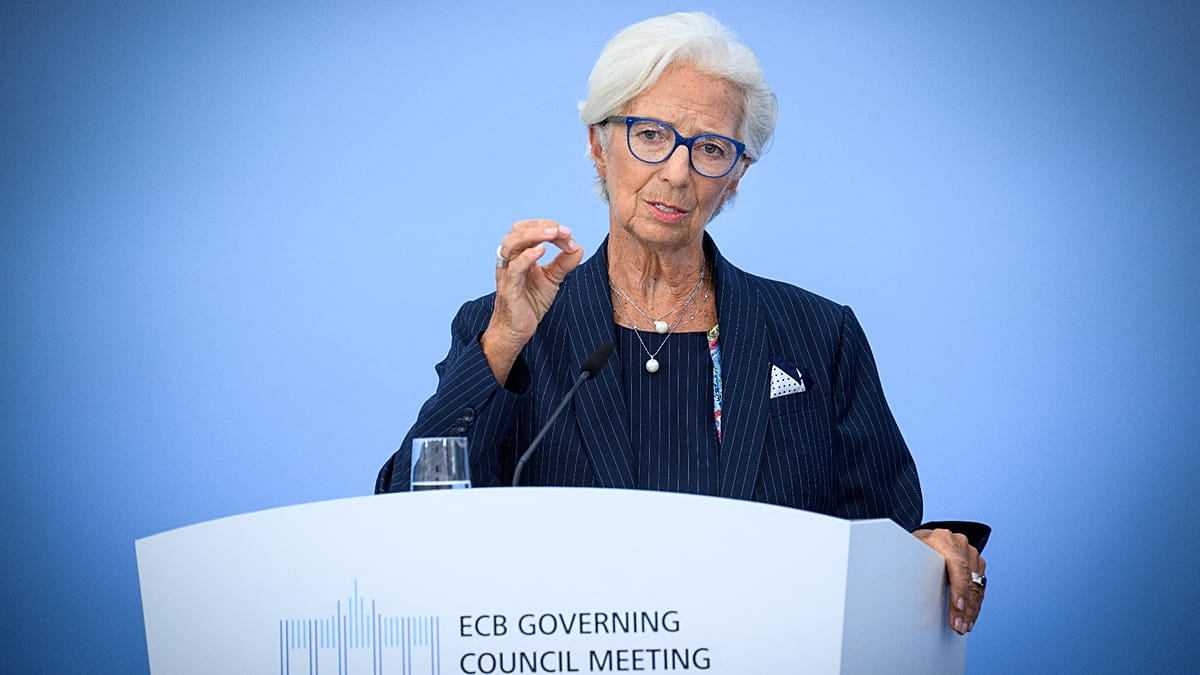
“The Eurosystem is working to enable a more integrated, innovative and resilient European financial market in the digital age,” said ECB President Christine Lagarde.
Thirteen institutions have completed onboarding and are ready to use the system immediately, including Deutsche Bank, Santander, Société Générale, KfW and the European Investment Bank, alongside four ledger operators including Clearstream.
The ECB also intends to become a user itself.
In a separate announcement, it said it has begun preparatory work to invest a small portion of its own funds in tokenised securities, with purchases settled through Pontes.
The initial focus will be euro-denominated debt issued by euro area governments, regional authorities, agencies and European supranational institutions.
The own-funds portfolio sits outside monetary policy and generates income to cover the bank’s running costs. No amount was specified, and the Executive Board will decide on timing once the groundwork is done.
“Pontes brings tokenised markets another step closer to the core of the euro area’s financial infrastructure,” said Richard Baker, founder and CEO of Tokenovate, which builds technology to help financial institutions automate post-trade processing, collateral management and tokenised settlement.
Baker noted the service will initially run within existing market hours, but that “the longer-term opportunity is to support more continuous, potentially 24/7, settlement.”
That gap is where Europe is playing catch-up.
American markets have moved faster as the New York Stock Exchange is building a blockchain-based venue for trading tokenised shares and funds around the clock, and BlackRock has run a tokenised money market fund since 2024.
Pontes itself will only reach full capability, with longer operating hours and enhanced features, by 2028.
The two sides are also taking different routes.
Washington, under US President Donald Trump, abandoned plans for a Federal Reserve digital currency and backed privately issued stablecoins instead. On the other hand, Frankfurt is betting that public central bank money should sit at the centre.
Where the digital euro stands
Pontes is aimed at banks and markets, not consumers. The retail equivalent, the digital euro, would let the public make everyday payments directly in central bank money.
That project is further from reality.
The European Parliament’s economic committee approved its position in June, opening negotiations with member states, and final legislation is targeted for the end of this year.
If that holds, a pilot involving 36 payment providers will begin in September 2027, with first issuance possible in 2029.