




Published on
China has urged France to halt its recently implemented law targeting ultra-fast fashion, describing the measure as discriminatory.
The underlying law, which took effect on Tuesday, raises the contribution paid by producers of qualifying clothing, footwear and household linen sold through ultra-fast-fashion business models by between €0.25 and €12 per item in 2026, with the maximum rising to €20 from 2030.
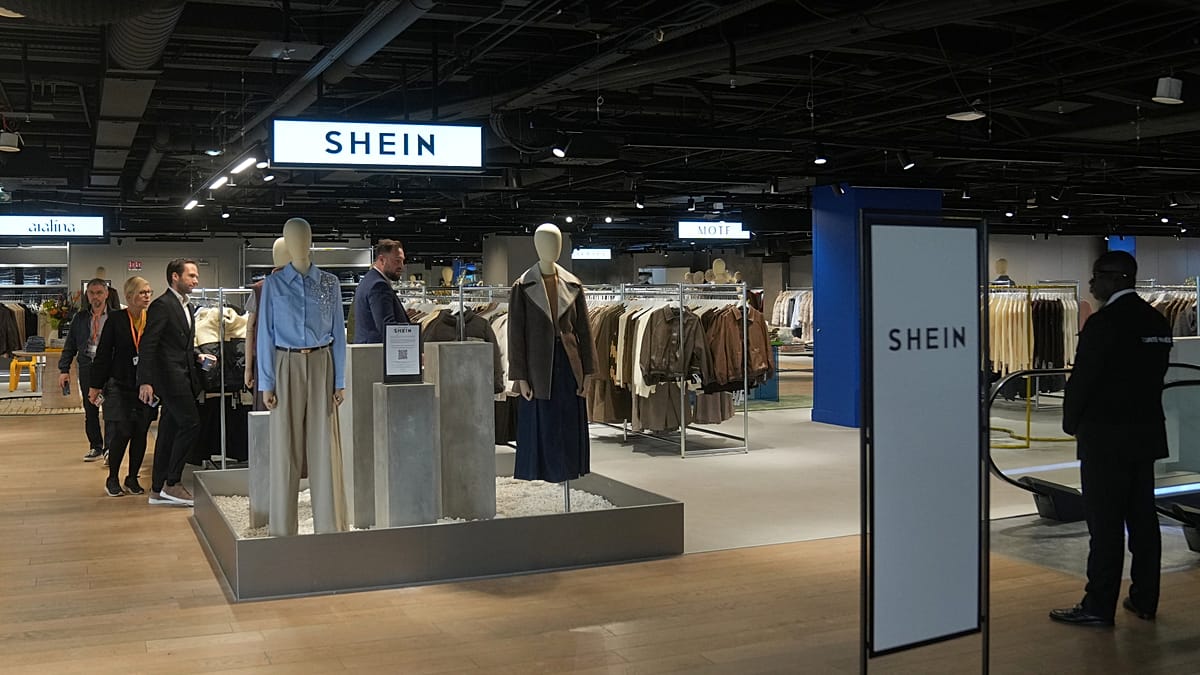
The legislation affects major e-commerce platforms including Shein, Temu and AliExpress.
“China urges France to immediately halt the implementation of the anti-ultra-fast-fashion law,” commerce ministry spokeswoman Huang Ling told a news conference on Thursday.
She said China was “strongly dissatisfied” with France’s decision to proceed with what Beijing considered a discriminatory trade restriction.
China believes the legislation uses environmental and sustainability standards to apply double standards and may breach World Trade Organization rules on non-discrimination, Huang said.
“If France insists on proceeding, China will take necessary measures to safeguard the legitimate rights and interests of Chinese enterprises,” she added.
“France will bear all consequences arising from this.”
What does the law say?
The law defines ultra-fast fashion using two criteria: how many new products a company introduces and whether customers are encouraged to repair rather than replace them.
The legislation is intended to reduce the fashion industry’s environmental impact and protect France’s domestic clothing sector from an influx of low-cost products.
The per-item fee will vary on a set scale according to how each product scores on both these standards.
The charge is levied on producers rather than directly on consumers, although companies could pass on some or all of the cost through higher prices.
Shein, known for its low prices and rapidly changing product range, made a subdued debut on the Hong Kong Stock Exchange on Tuesday after earlier plans to list in New York and London stalled amid scrutiny of its Chinese supply chains.
The online retailer moved its headquarters from China to Singapore in 2022, a step widely viewed as an attempt to distance the company from growing international scrutiny of Chinese businesses.
Additional sources • AFP