
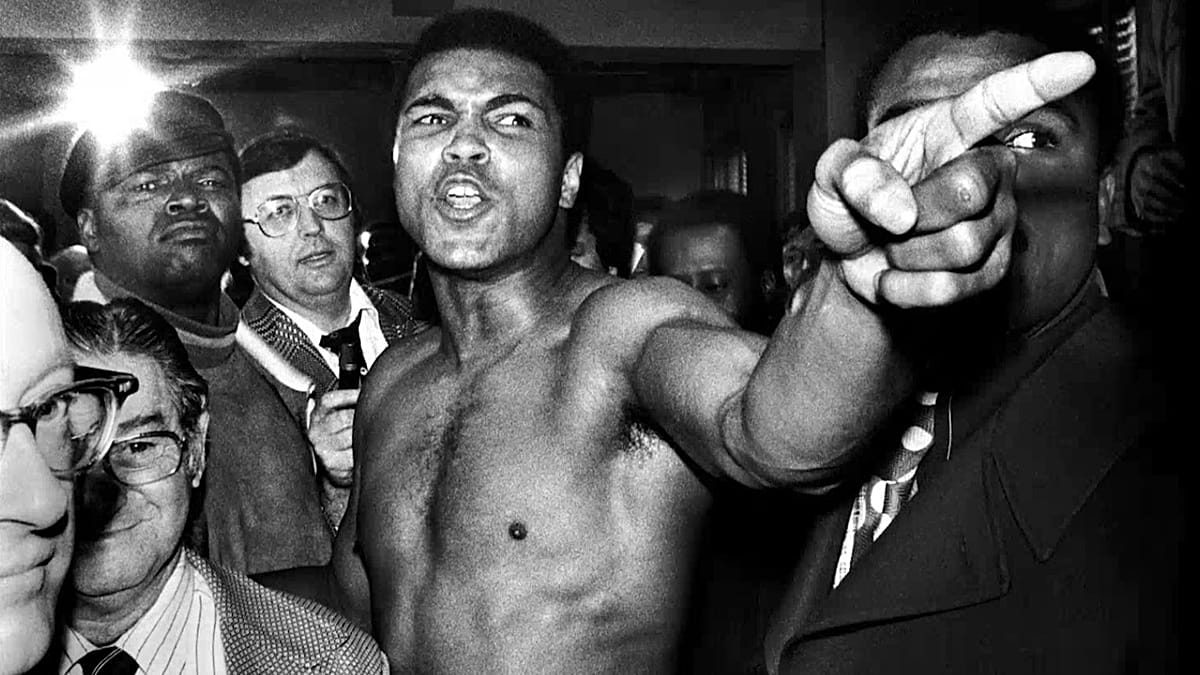
Dirty, dangerous and turbulent. When French photographer Jean-Pierre Laffont landed in New York in the 1960s his plan was to record ordinary lives from an outsider’s perspective.
From civil and gay rights to anti-Vietnam war protests, he soon discovered a city on the edge of a cultural revolution, driven by movements, rebelling against the firmly fixed and established norms.
Much has been written recently about the deep splits which divide the United States, and Laffont’s work perfectly illustrates some of the roots of the “revolutions that continue to shape” the entire country today.
In a wide ranging conversation with European Lens, Laffont reflects on his time spent documenting America and shares his views on the future of photography.
Jean-Pierre Laffont: Well, I arrived in the United States in April 1964, at a time when… Actually, I didn’t arrive in the United States first, I arrived in New York, in New York City, and besides, I didn’t have any money to go anywhere else. And I found myself in a city where everything was in ruins, where everything was dirty, where crime was everywhere.
I lived on the West Side, and it was dangerous to walk around at night. It was a city where I realised that if I walked around with my cameras hanging around my neck, I was putting myself at risk. It was a city on the verge of bankruptcy.
Anything new is a source of visual excitement, for a photographer. You see things, you notice them, you frame them, you compose the shot. Basically, they’re easy to see and photograph.
I actually realised that the young people out on the streets weren’t necessarily against the Vietnam War, which wasn’t their war, and which they didn’t understand. What it was really about was the injustice of the way they were being drafted. At the time, the American draft was a lottery.
Some could stay in school and continue their university studies, while others, on the contrary, were forced to leave because, unfortunately, they had drawn the short straw. They were the ones who had to go.
On top of that, two or three years later, around 1971 or 1972, there were many young Black Americans being sent off, and they really were being sent into the meat grinder; they were actually assigned to combat units. And that, too, was an injustice that was beginning to become apparent.
All these movements that began in New York often ended in Washington, where I went as well. These were movements that started spontaneously.
Gay Pride
One of the first that I remember experiencing very clearly was joyful. It was a joyful rebellion. It was the first Gay Pride, in June 1970. They arrived in Central Park and started kissing, they started dancing, and for me, it was a fantastic day.
I didn’t know it was the first Gay Pride. It was an extraordinary gay celebration, a beautiful event, full of joy, among both women and men. And it was absolutely extraordinary to photograph.
I went back ten years later for the tenth Gay Pride, but this time I went to cover the major gay movement in San Francisco.
There was a mayor, there were doctors, there were mechanics, there were restaurants, there were lawyers, there were gay architects, serving gay people and wanting to work only with gay people.
It was a very interesting, very intelligent community, but ultimately, they were rebels. It wasn’t a revolution; it was a rebellion.
It was against the system as it stood, and San Francisco did it extraordinarily well.
Past and present perfect
I used to have five cameras around me when I went out to certain areas, because I had long lenses, and there was no time to change them.
Today’s young photographers are incredibly lucky – they don’t have to reload their cameras, they don’t have to think, “That’s it, I’ve got 36 shots left”, they don’t have to worry about their flash, because cameras can take pictures even at night, without a flash, nowadays.
Now everything is done automatically. On top of that, the camera tells you where you took the picture, when you took it, so you no longer lose it.
I’ve lost hundreds of thousands of photographs that were handed over to my clients, because that’s how agencies worked. The first photographs went to the best magazine, and then we gave them the originals, which I never saw again, which I never got back, which were lost, and which may now be in the archives of some major magazines, but in any case, they’re no longer in my archives.
Altered reality
I’m not yet sufficiently familiar with artificial intelligence. Many people see it as a huge threat because of bad photos, altered photos, and manipulated images.
I come from a generation when altering your negative was simply out of the question. I was a witness to my times, and I never manipulated a photograph.
You should understand immediately what is happening [in a photojournalistic photograph]. It’s an accident, it’s a happy moment, it’s a demonstration against something.
We need these photographs. A photograph always says more than a film, more than television. We remember a still image more than a moving image, every time. And we need that. There will always be a need for witnesses.
“Rebels with a Cause”, published by Damiani Books, is available now.