
Close Menu
Daily Guardian EuropeDaily Guardian Europe
  • Home
  • Europe
  • World
  • Politics
  • Business
  • Lifestyle
  • Sports
  • Travel
  • Environment
  • Culture
  • Press Release
  • Trending
What's On

Merz’s conservatives poised to nominate Germany’s first woman president – POLITICO

November 6, 2026

Trump appoints immigration hardliner Stephen Miller as new chief of staff

November 6, 2026

EU prosecutors open second fraud probe into Spanish high-speed rail – POLITICO

November 6, 2026

Meghan Markle’s father reportedly arrested in Florida over alleged child porn possession

November 6, 2026

How Greece aims to become a year-round destination as it looks beyond its beaches and islands

November 6, 2026
Facebook X (Twitter) Instagram
Web Stories
Facebook X (Twitter) Instagram
Daily Guardian Europe
Newsletter
  • Home
  • Europe
  • World
  • Politics
  • Business
  • Lifestyle
  • Sports
  • Travel
  • Environment
  • Culture
  • Press Release
  • Trending
Daily Guardian EuropeDaily Guardian Europe
Home»Lifestyle
Lifestyle

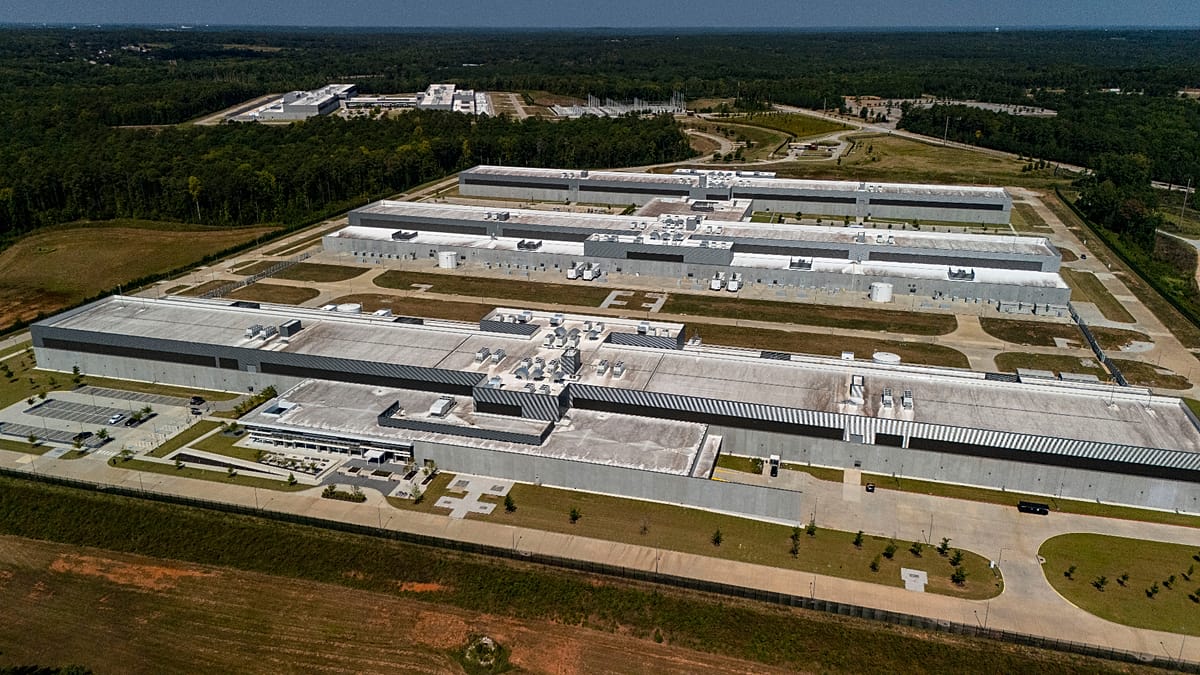
Big Tech and green groups meet to discuss the future of data centres in the US

By staffNovember 6, 20263 Mins Read
Big Tech and green groups meet to discuss the future of data centres in the US
Share
Facebook Twitter LinkedIn Pinterest Email
By&nbspGreta Ruffino&nbsp&&nbspAFP

Published on
6 November 2026 – 12:15 GMT+1

Major technology companies and environmental groups are working together to develop national guidelines for data centres, according to a document seen by French news agency AFP on Thursday.

The group, called the “Responsible Data Center Collaborative”, includes Google, Meta, Microsoft, Oracle, Amazon, Nvidia and Anthropic, as well as environmental organisations such as the Natural Resources Defense Council (NRDC), World Wildlife Fund (WWF) and Sierra Club.

The talks come as opposition to data centre expansion also grows across Europe. More than 100 organisations across 15 European countries are staging protests on 6 and 7 November, calling for a halt to new large-scale projects until clearer regulations are put in place.

The members began meeting in September and plan to continue discussions until February 2027. The talks are supported by the Rockefeller Foundation and its affiliated organisation, Invest in Our Future, according to the document.

The group aims to agree on guidelines covering energy use, infrastructure, water resources, community involvement, economic benefits, transparency and accountability, as well as how the measures should be put into practice.

With technology companies and environmental groups taking part, the document sets out rules for the discussions, encouraging members to “check your assumptions by asking clarifying questions” and “attack problems, not people.”

The meetings will also follow the “Chatham House rules” which means “conversations stay in the room and learnings leave (without attribution).”

What are the main concerns about data centres?

Data centres are essential to the development of artificial intelligence models and related technologies, but their rapid expansion has sparked concerns among the public.

According to a 2026 report by the International Energy Agency (IEA), global electricity consumption by data centres rose by 17% in 2025 and is expected to nearly double by 2030, from 485 to 950 terawatt-hours (TWh), driven in part by growing demand for AI.

The growing demand for electricity is also putting pressure on power grids, raising questions about whether existing energy infrastructure can keep up with the rapid expansion of AI.

New power plants have driven up electricity bills, while data centres also generate noise pollution. Their cooling systems can use large amounts of municipal water, and mist from cooling towers can carry harmful bacteria.

To avoid increasing electricity costs for local residents, some newer data centres generate their own power, often using noisy, polluting gas-fired plants.

In the US, growing concerns over the environmental impact of data centres and rising electricity costs have sparked protests in several communities.

During Tuesday’s US midterm elections, voters in dozens of cities reportedly approved restrictions or outright bans on data centres, highlighting growing opposition to the AI boom across political lines.

Additional sources • AFP

Share. Facebook Twitter Pinterest LinkedIn Tumblr Email

Keep Reading

Data centre backlash: Which AI companies have been affected by US midterm results?

EU tells TikTok to change ‘harmful’ For You feed over ‘rabbit hole effect’

Parents sue Google after 13-year-old allegedly used AI to plan suicide

Google, Meta and TikTok sue California to block law protecting kids from social media harms

EU plans to deliver ‘AI literacy’ certificates to students

Protesters across Europe to call for freeze on energy hungry data centres

Ban it or build it? Europe considers how to regulate social media

Europe is betting €525 million on chip design start-ups

Video. ‘Zeptoverse’: CERN scientists uncover evidence of extraordinarily rare particle decay

Editors Picks

Trump appoints immigration hardliner Stephen Miller as new chief of staff

November 6, 2026

EU prosecutors open second fraud probe into Spanish high-speed rail – POLITICO

November 6, 2026

Meghan Markle’s father reportedly arrested in Florida over alleged child porn possession

November 6, 2026

How Greece aims to become a year-round destination as it looks beyond its beaches and islands

November 6, 2026

Subscribe to News

Get the latest Europe and world news and updates directly to your inbox.

Latest News

Jared Kushner’s European security plan isn’t convincing Europe – POLITICO

November 6, 2026

Video. Latest news bulletin | November 6th, 2026 – Evening

November 6, 2026

Big Tech and green groups meet to discuss the future of data centres in the US

November 6, 2026
Facebook X (Twitter) Pinterest TikTok Instagram
© 2026 Daily Guardian Europe. All Rights Reserved.
  • Privacy Policy
  • Terms
  • Advertise
  • Contact

Type above and press Enter to search. Press Esc to cancel.