
Close Menu
Daily Guardian EuropeDaily Guardian Europe
  • Home
  • Europe
  • World
  • Politics
  • Business
  • Lifestyle
  • Sports
  • Travel
  • Environment
  • Culture
  • Press Release
  • Trending
What's On

Mountains, love and lube: The 10 most anticipated albums of 2026

December 27, 2025

Too scary to show? Kazakh horror series becomes festival favourite for gore fans

December 27, 2025

From deadly heatwaves to flash floods: How Europe’s extreme weather events defined 2025

December 27, 2025

POLITICO’s most-read stories of 2025 – POLITICO

December 27, 2025

POLITICO’S 2025 Backhanded Awards – POLITICO

December 27, 2025
Facebook X (Twitter) Instagram
Web Stories
Facebook X (Twitter) Instagram
Daily Guardian Europe
Newsletter
  • Home
  • Europe
  • World
  • Politics
  • Business
  • Lifestyle
  • Sports
  • Travel
  • Environment
  • Culture
  • Press Release
  • Trending
Daily Guardian EuropeDaily Guardian Europe
Home»Environment
Environment

Bay of Biscay fishing ban to return in 2026 after proving successful at reducing dolphin deaths

By staffDecember 24, 20253 Mins Read
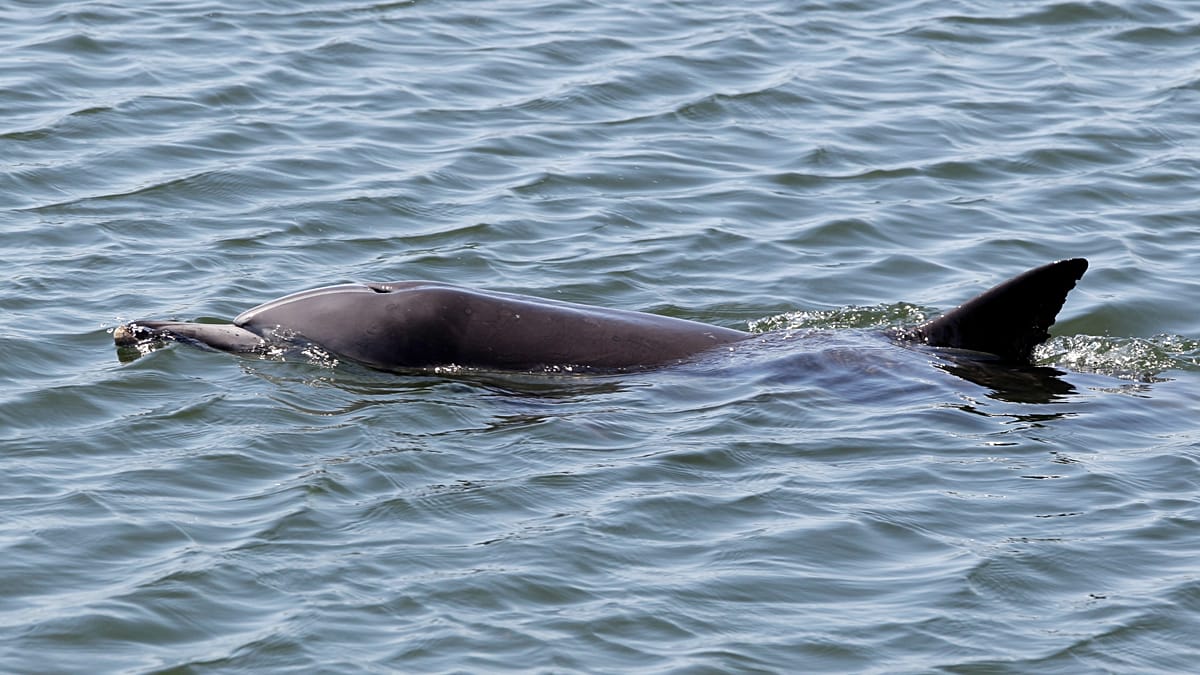
Bay of Biscay fishing ban to return in 2026 after proving successful at reducing dolphin deaths
Share
Facebook Twitter LinkedIn Pinterest Email

Every winter, the Bay of Biscay becomes a risky place for dolphins. The clash between their seasonal movements and intense fishing activity means that, year after year, the probability of accidental catches increases. This is a reality that scientists and authorities have been aware of for some time and which has forced Brussels to intervene once again.

The European Commission announced this week that in 2026 it will re-implement a temporary fishing ban in the area, a measure designed to reduce deaths of dolphins and other small cetaceans. The closure will run from 22 January to 20 February and will affect vessels over eight metres in length, which will have to remain in port during that period.

The decision does not come out of the blue. It is the third consecutive year in which the European Union has resorted to this type of winter closure, after finding that previous restrictions have worked. According to data cited by Brussels, the number of dolphins killed in 2025 was significantly lower than before the closures were introduced, a key argument for repeating the measure.

Behind this policy is a persistent problem. Every winter, hundreds of dolphins wash up dead on the Atlantic coasts, many of them with clear signs of having been caught in fishing nets. Scientific organisations such as the French observatory PELAGIS have been documenting this situation for years and calling for concrete action to stop it.

Some 300 vessels will be affected by the fishing ban

The new closure will affect some 300 EU vessels, an impact that the Commission acknowledges. For this reason, Brussels has said that fishermen will be able to access economic compensation through the European Maritime, Fisheries and Aquaculture Fund, as well as possible national aid, with the aim of cushioning the loss of income during the period of inactivity.

The closure, however, is not the only measure envisaged. The Commission maintains the obligation for certain vessels to use acoustic deterrent devices throughout the year, devices that emit sounds to keep cetaceans away from nets. In addition, monitoring programmes will be strengthened, with on-board observers and camera systems to monitor interactions between fisheries and marine wildlife.

Overall, Brussels is seeking to repeat a formula that has already proved effective: reducing fishing pressure at the most critical times of the year to give dolphins a break, without losing sight of the need to sustain the activity of a key sector for many coastal communities.

Share. Facebook Twitter Pinterest LinkedIn Tumblr Email

Keep Reading

From deadly heatwaves to flash floods: How Europe’s extreme weather events defined 2025

Four-second naps and snoozing in flight: Extreme sleep methods help these animals evade danger

Chocolate could disappear by 2050. Could this climate-resistant alternative take its place?

UK newspapers can’t stop talking about net zero. But where’s the mention of climate change?

Schools told to keep children indoors and flights cancelled as air pollution peaks in Sarajevo

Love Island for lizards: Critically endangered iguanas now thriving thanks to matchmaking project

ATP introduces new extreme heat rule to protect players during men’s tennis matches

‘Hot droughts’ could push the Amazon into a hypertropical climate by 2100 – and trees won’t survive

Economic growth has been linked to rising emissions for decades. Now, the ‘opposite is happening’

Editors Picks

Too scary to show? Kazakh horror series becomes festival favourite for gore fans

December 27, 2025

From deadly heatwaves to flash floods: How Europe’s extreme weather events defined 2025

December 27, 2025

POLITICO’s most-read stories of 2025 – POLITICO

December 27, 2025

POLITICO’S 2025 Backhanded Awards – POLITICO

December 27, 2025

Subscribe to News

Get the latest Europe and world news and updates directly to your inbox.

Latest News

Machthaber: Kim Jong-Un – POLITICO

December 27, 2025

Kosovo heads to polls hoping to break political deadlock – POLITICO

December 27, 2025

Video. Heavy rains and flooding turn deadly in California

December 26, 2025
Facebook X (Twitter) Pinterest TikTok Instagram
© 2025 Daily Guardian Europe. All Rights Reserved.
  • Privacy Policy
  • Terms
  • Advertise
  • Contact

Type above and press Enter to search. Press Esc to cancel.