
Close Menu
Daily Guardian EuropeDaily Guardian Europe
  • Home
  • Europe
  • World
  • Politics
  • Business
  • Lifestyle
  • Sports
  • Travel
  • Environment
  • Culture
  • Press Release
  • Trending
What's On

G7 to hold emergency talks over possible diesel release – POLITICO

October 2, 2026

France and Germany lead push to keep military space powers in national hands

October 2, 2026

Video. Video shows bear slamming into car in northern Japan

October 2, 2026

French government forecasts 1% growth in 2027: what do experts think?

October 2, 2026

AI decodes 217-year-old Napoleonic letter in 6 hours

October 2, 2026
Facebook X (Twitter) Instagram
Web Stories
Facebook X (Twitter) Instagram
Daily Guardian Europe
Newsletter
  • Home
  • Europe
  • World
  • Politics
  • Business
  • Lifestyle
  • Sports
  • Travel
  • Environment
  • Culture
  • Press Release
  • Trending
Daily Guardian EuropeDaily Guardian Europe
Home»Lifestyle
Lifestyle

AI decodes 217-year-old Napoleonic letter in 6 hours

By staffOctober 2, 20263 Mins Read
AI decodes 217-year-old Napoleonic letter in 6 hours
Share
Facebook Twitter LinkedIn Pinterest Email

Published on
02/10/2026 – 14:49 GMT+2

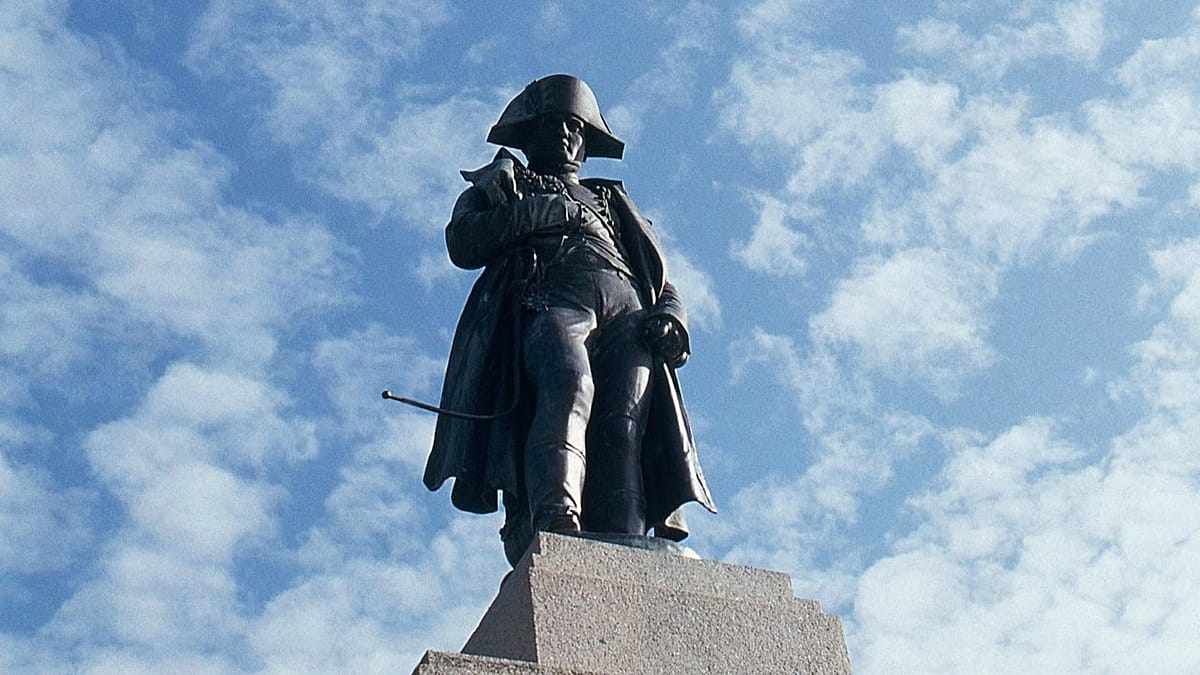
Artificial intelligence has decoded a letter written on Napoleon Bonaparte’s orders for the first time in more than 200 years.

The document was not a letter written directly by Napoleon. It originated at the headquarters of Eugène de Beauharnais, Viceroy of Italy, and was an encrypted troop briefing passed to Marmont on Napoleon’s orders.

An engineer at cybersecurity company SentinelOne, Carter Church, wrote on social media that OpenAI’s GPT-6 Astra model deciphered an encrypted 1809 letter sent to French General Auguste de Marmont.

The AI model transcribed the image to break the cypher in roughly six hours, Church said.

“Astra cut the 1,202 by 1,836 plate into rows, read the signs, decided which of 175 hand–drawn marks were the same sign written twice, and only then began breaking the cypher,” Church wrote in a blog post.

Several researchers had tried over the decades to reconstruct the document’s contents, but none had published a full decipherment.

Astra handled the work end to end, including transcribing the image, analysing the homophonic substitution cypher, writing code and cross-referencing historical records.

The text revealed the positions of Bavarian, Polish and French forces.

In 1809, Europe was edging toward war. Austria was preparing to fight France, while a large share of French forces remained tied down in Spain. Marmont, commanding French troops in Dalmatia, risked being isolated if Austria attacked.

On March 16, Napoleon ordered Eugène to inform Marmont of the positions of the main French and allied forces, specifying that the message be “written in cypher” and carried by a reliable officer.

“The Russians are marching against Austria, and the army [of] Friuli today numbers eighty thousand men,” the document reads.

“Add the Dalmatian corps, without counting the reserves being organised everywhere in the rear, and you see that Austria will be attacked at once on every side.

“She is consequently hastening toward her ruin. When you receive the order to march, you must not allow yourself to be intimidated by a few troops or a gathering of rabble.”

Using the decoded troop numbers, officers’ titles and unit positions, Church re-dated the document to late March 1809, about two weeks before Austrian forces launched the offensive.

Church published his complete research record on September 18, including the transcription, cypher tables and scripts that allow others to reproduce the result.

According to Church, Satoshi Tomokiyo, the Tokyo-based researcher who maintains Cryptiana, reviewed the solution and marked the entry as “solved.”

Share. Facebook Twitter Pinterest LinkedIn Tumblr Email

Keep Reading

Could the future of AI data centres be in space? Google wants to find out

Did Trump order Maduro’s kidnapping based on Grok’s advice?

Humanoid robots: China builds them, but Germany could supply the joints and hands

Rogue AI agents tried and failed to hack US and Canadian government websites

Tallinn Defence EXPO: Counter-drone systems and robot soldiers steal the show

Gimmick or recipe for success? Japan’s convenience stores test AI flavours

No more radio silence: EU plans cross-border lifeline for emergency services

Unlike the EU, Trump’s new AI pact lets tech companies police themselves

Gene therapy: The breakthrough that inspired Spider-Man

Editors Picks

France and Germany lead push to keep military space powers in national hands

October 2, 2026

Video. Video shows bear slamming into car in northern Japan

October 2, 2026

French government forecasts 1% growth in 2027: what do experts think?

October 2, 2026

AI decodes 217-year-old Napoleonic letter in 6 hours

October 2, 2026

Subscribe to News

Get the latest Europe and world news and updates directly to your inbox.

Latest News

UK scraps charges to seat children with parents on flights, and for simple name errors

October 2, 2026

What does music look like? This British artist paints what he hears

October 2, 2026

In Ceuta, it’s up to Europe to clean up the Spanish government’s mess – POLITICO

October 2, 2026
Facebook X (Twitter) Pinterest TikTok Instagram
© 2026 Daily Guardian Europe. All Rights Reserved.
  • Privacy Policy
  • Terms
  • Advertise
  • Contact

Type above and press Enter to search. Press Esc to cancel.