
Published on
The accessory dubbed ‘pervert glasses’ might soon be getting shown the door at UK cinemas.
As reported by Sky News, the UK Cinema Association (UKCA) is considering a ban on Meta AI glasses in cinemas, as operators weigh concerns about piracy and privacy against the accessibility benefits of the high-tech eyewear.
All eyes on you
Since they hit the market, Meta glasses have given voyeurs and would-be pirates a decidedly 21st-century upgrade.
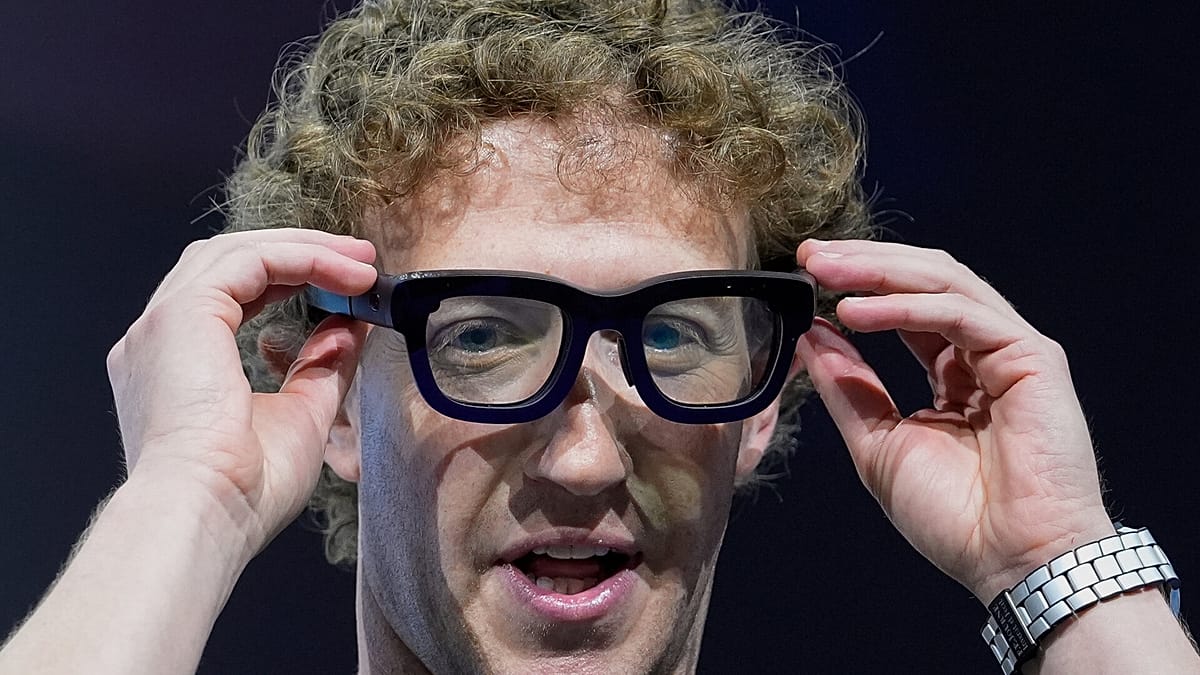
Meta’s smart glasses contain cameras in their frames that allow wearers to take photos and videos discreetly. There’s a small light intended to alert people when a recording is taking place, but many users have reported how easy it is to cover the indicator. There are even third-party vendors selling light covers on marketplaces such as Amazon.
That has prompted widespread concerns about consent, particularly because the person being filmed may have no idea a camera is pointed at them. Hence the nicknames “spy glasses” and “pervert glasses”.
For cinemas, the new technology presents other challenges beyond privacy.
Why cinemas are worried
Piracy is hardly a new problem. The UKCA estimates that copyright infringement costs the UK’s creative industries a minimum of £500 million (€585 million) per year.
More than 90 per cent of illegal versions of newly released films are sourced from cinemas, according to the UKCA’s 2024 annual report.
Those are typically recorded using compact devices such as smartphones.
That’s why, at some high-profile screenings, audiences have been required to leave their phones in secure pouches or outside the auditorium.
Cinema operators also train staff to watch for illegal recordings. In 2025, the Film Content Protection Agency recorded 121 incidents in which cinema staff identified, disrupted and reported illegal recordings across the UK.
Some fear Meta glasses could give pirates a new way to record screenings.
A boon or a blind spot?
There are legitimate reasons for people to want to wear the glasses, and not just because Kylie Jenner wants you to think they look cool.
For moviegoers with a visual impairment or who are hard of hearing, the glasses can provide accessibility benefits. UKCA chief executive Phil Clapp told Sky News that some smart frames can offer bespoke subtitling.
Meta argues that the glasses provide “critical new technology” for people in the blind and low-vision community, adding that “limiting how people can use this technology would be a major step backwards”.
For now, no nationwide ban has been issued at UK cinemas, but the debate over how to regulate AI-powered smart glasses is gathering pace in Europe.
Germany’s data protection authority, for example, has said they could be banned under existing laws prohibiting recording devices hidden in everyday objects.