
Close Menu
Daily Guardian EuropeDaily Guardian Europe
  • Home
  • Europe
  • World
  • Politics
  • Business
  • Lifestyle
  • Sports
  • Travel
  • Environment
  • Culture
  • Press Release
  • Trending
What's On

Trump’s rage at NATO allies is binding them together — against him  – POLITICO

April 1, 2026

Video. Latest news bulletin | April 1st, 2026 – Evening

April 1, 2026

EU slammed for caving to US pressure on digital rules – POLITICO

April 1, 2026

Trump isn’t immune from civil claims his 6 January speech incited riot, judge says

April 1, 2026

Pedro Sánchez, Lamine Yamal slam anti-Muslim chanting at Spain football game against Egypt – POLITICO

April 1, 2026
Facebook X (Twitter) Instagram
Web Stories
Facebook X (Twitter) Instagram
Daily Guardian Europe
Newsletter
  • Home
  • Europe
  • World
  • Politics
  • Business
  • Lifestyle
  • Sports
  • Travel
  • Environment
  • Culture
  • Press Release
  • Trending
Daily Guardian EuropeDaily Guardian Europe
Home»Europe
Europe

EU remains least corrupt but anti-graft progress stalls, report warns

By staffFebruary 10, 20263 Mins Read
EU remains least corrupt but anti-graft progress stalls, report warns
Share
Facebook Twitter LinkedIn Pinterest Email

Published on 10/02/2026 – 10:18 GMT+1•Updated
10:19

The European Union remains the least corrupt region globally, but anti-corruption efforts have largely stalled over the past decade, according to Transparency International’s 2025 Corruption Perceptions Index released on Tuesday.

The global average has fallen to a new low of 42, while the EU’s regional average stands at 62 out of 100.

Since 2012, 13 countries in western Europe and the EU have significantly declined, and only seven have significantly improved.

Hungary scored 40 in the index, tying it with Bulgaria as the worst-performing EU member state. Romania scored 45.

The erosion of checks and balances in Hungary creates “a melting pot of corruption risks,” Flora Cresswell, regional advisor for Europe at Transparency International, told Euronews.

“With the lack of media freedom, with the independence of the judiciary being undermined, the wider rule of law system being undermined within the country, the fact that there’s also increased risk in corruption in public spending … This unfortunately means the whole framework of accountability within the country has diminished,” Cresswell explained

Denmark scored 89, Finland 88 and Sweden 80, making them the best-performing EU countries in the index.

‘Taking their eye off the ball’

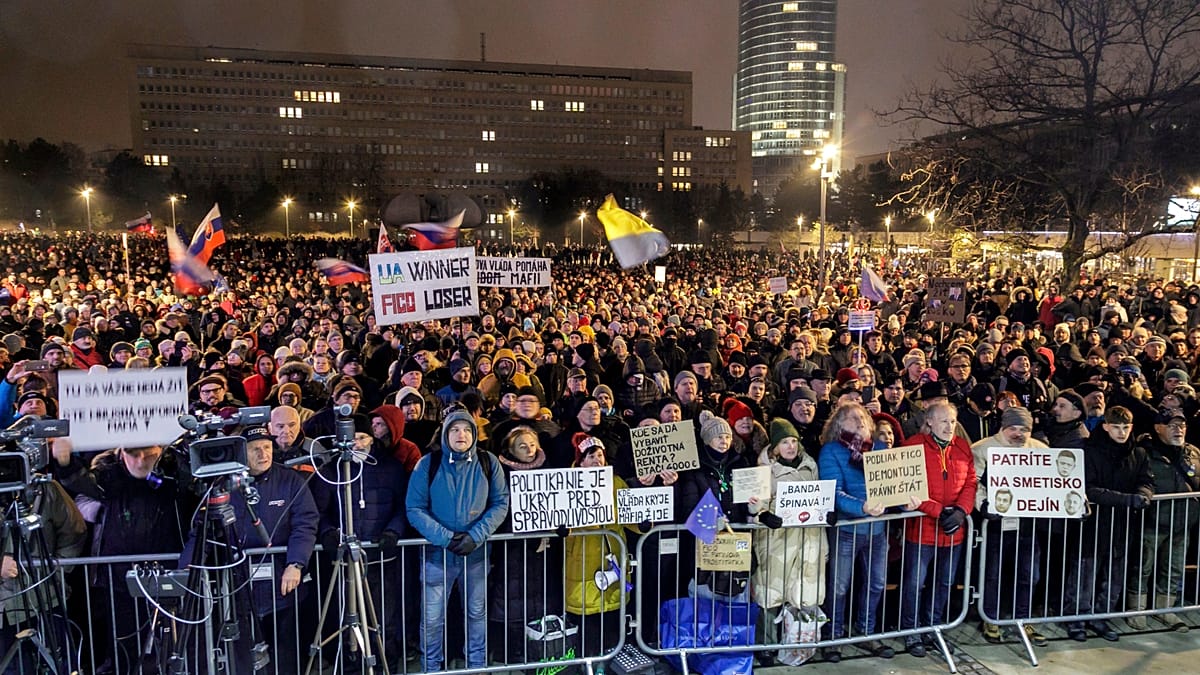
Transparency International observed backsliding trends in Slovakia, which scored 48.

“In the last year in Slovakia, there’s been campaigns within the government against the independent whistleblowing agency, impacts on the ability to investigate and prosecute against corruption being rolled back within the country,” Cresswell said.

France scored 66 and Sweden 78, both experiencing drops due to sanctions enforcement challenges and integrity scandals. The Netherlands scored 78, also showing a decline.

“Another trend is that these countries are just simply taking their eye off the ball when it comes to modernising their anti-corruption framework,” Cresswell said.

“The Netherlands and Sweden could particularly be put in that category where they just have not had strong standards when it comes to lobbying transparency or political finance transparency.”

The Baltic states’ scores increased as they implemented effective anti-corruption strategies and improved data transparency on lobbying and beneficial ownership, Cresswell said.

Anti-corruption directive

In December 2025, the EU agreed its first Anti-Corruption Directive to harmonise criminal laws on corruption.

The provisional agreement between the Council and the European Parliament established EU-wide definitions and sanctions for corruption offences.

It mandates annual publication of EU-wide corruption data and requires member states to adopt and publish national anti-corruption strategies.

Cresswell said the text is “lacking ambition” as elements such as lobbying transparency, conflict of interest rules and enhanced transparency in political finance regulation are not obligatory.

The text is expected to be adopted in March, with member states having two years to transpose the directive.

Share. Facebook Twitter Pinterest LinkedIn Tumblr Email

Keep Reading

Hungarian opposition Tisza party cements lead ahead of April elections, polls show

EU capitals ‘should drive response’ to the Iran energy shock, Polish official tells Euronews

Are the French removing the EU flag from public buildings and is it illegal?

Is the EU done with member states using vetoes as a power move?

Newsletter: Energy shock has Brussels on edge

Kallas insists Russian assets are an option if Orbán doesn’t lift veto on Ukraine loan

US wrong to negotiate, Iranian regime “not trustworthy”: Iranian opposition leader

EU countries, except Hungary, vow ‘full accountability’ for war crimes in Ukraine

Fact check: Does Hungary have alternatives to the Druzhba pipeline?

Editors Picks

Video. Latest news bulletin | April 1st, 2026 – Evening

April 1, 2026

EU slammed for caving to US pressure on digital rules – POLITICO

April 1, 2026

Trump isn’t immune from civil claims his 6 January speech incited riot, judge says

April 1, 2026

Pedro Sánchez, Lamine Yamal slam anti-Muslim chanting at Spain football game against Egypt – POLITICO

April 1, 2026

Subscribe to News

Get the latest Europe and world news and updates directly to your inbox.

Latest News

Iran launches biggest salvo of missiles in three weeks at Israel, military officials say

April 1, 2026

Trump, Stubb had ‘constructive’ NATO talk with alliance’s future in the balance – POLITICO

April 1, 2026

Teams halt efforts for whale stranded off German coast as chances of rescue ‘very low’

April 1, 2026
Facebook X (Twitter) Pinterest TikTok Instagram
© 2026 Daily Guardian Europe. All Rights Reserved.
  • Privacy Policy
  • Terms
  • Advertise
  • Contact

Type above and press Enter to search. Press Esc to cancel.