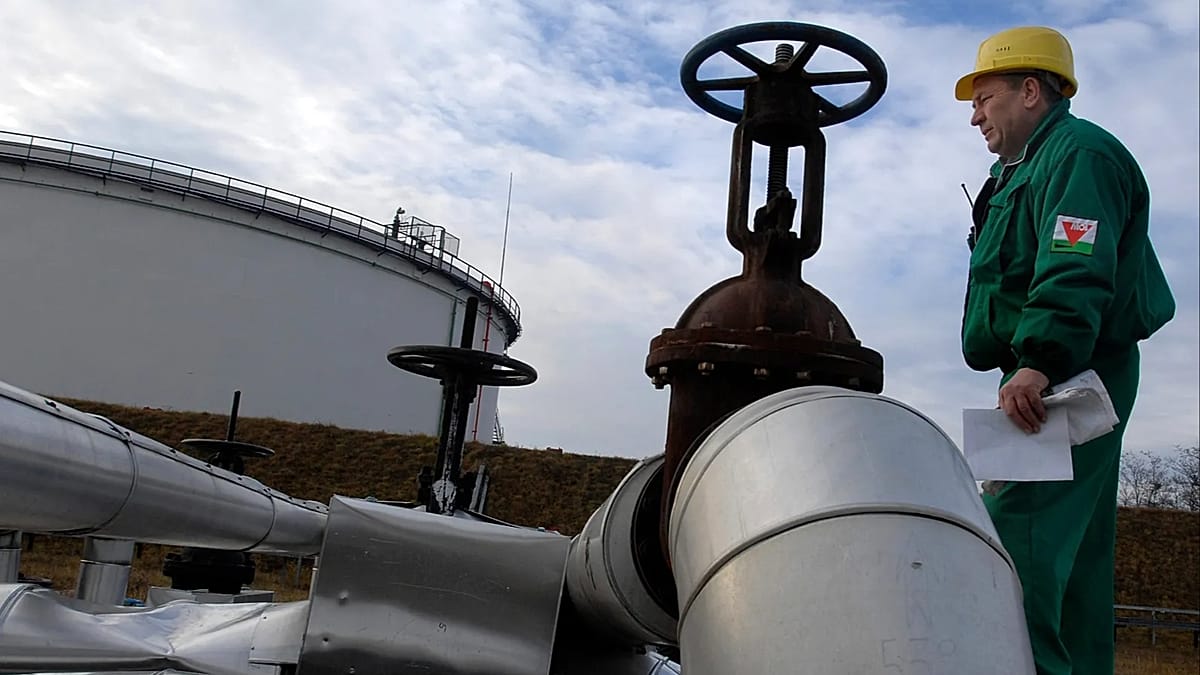


Volodymyr Zelenskyy suggested over the weekend that he is “being forced” to repair the controversial Druzhba pipeline carrying Russian oil, suggesting that the European Union should enforce its sanctions on Moscow fully despite pressure from Hungary.
“Do we sell Russian oil, or do we not?”
Ukraine’s president implied the EU is pressuring Kyiv to get the pipeline operational as soon as possible at the request of Hungary and Slovakia. Both countries have accused Ukraine of sabotaging flows for political reasons and are demanding Brussels carries out an external inspection of the damaged site. The EU agrees to the inspection.
“I am being forced to restart Druzhba”, Zelenskyy said in comments to reporters, adding “how is that any different from lifting sanctions on the Russians?”.
“Why can we, on the one hand, tell the United States of America that we are against lifting sanctions, and on the other hand, force Ukraine to resume oil supplies through ‘Druzhba’ at a political price that funds anti-European policies?”
He added that, if Ukraine is forced to accept resuming oil flows in exchange for a vital €90 billion loan, even if he is personally against it based on principles.
“If they impose conditions that Ukraine won’t receive weapons, then, I’m afraid, I’m powerless on this issue. I told our friends in Europe that this is called blackmail.”
He also said that the loan was agreed in December, independently to the pipeline. He also noted repair works on it could take up to two months. Hungarian Viktor Orbán said over the weekend the flows must be reinstalled immediately at a campaign event.
Hungarians will head to the polls on April 12. Orbán has centered his campaign around the pipeline as a matter of national sovereignty and called Zelenskyy as liar.
On the sidelines of the gathering of energy ministers in Brussels on Monday, European Energy Commissioner Dan Jørgensen told reporters he had been in contact with a Ukrainian team and suggested “they are working as hard as they can to fix the pipeline.”
Jørgensen also said the EU would not change its sanctions policy on Russia regardless of the cascading energy crisis due to the ongoing conflict in the Middle East.
“We are determined to stay on course. It would be a mistake for us to repeat what we did in the past,” Jørgensen added.
Over the weekend, Belgian Prime Minister Bart de Wever made headlines after he suggested the EU would have to normalise relations with Russia. His foreign minister Maxime Prévot said it was a sign of weakness to call for closer ties.
The EU is looking to cease all imports of Russian energy by 2028.
Damaged pipeline
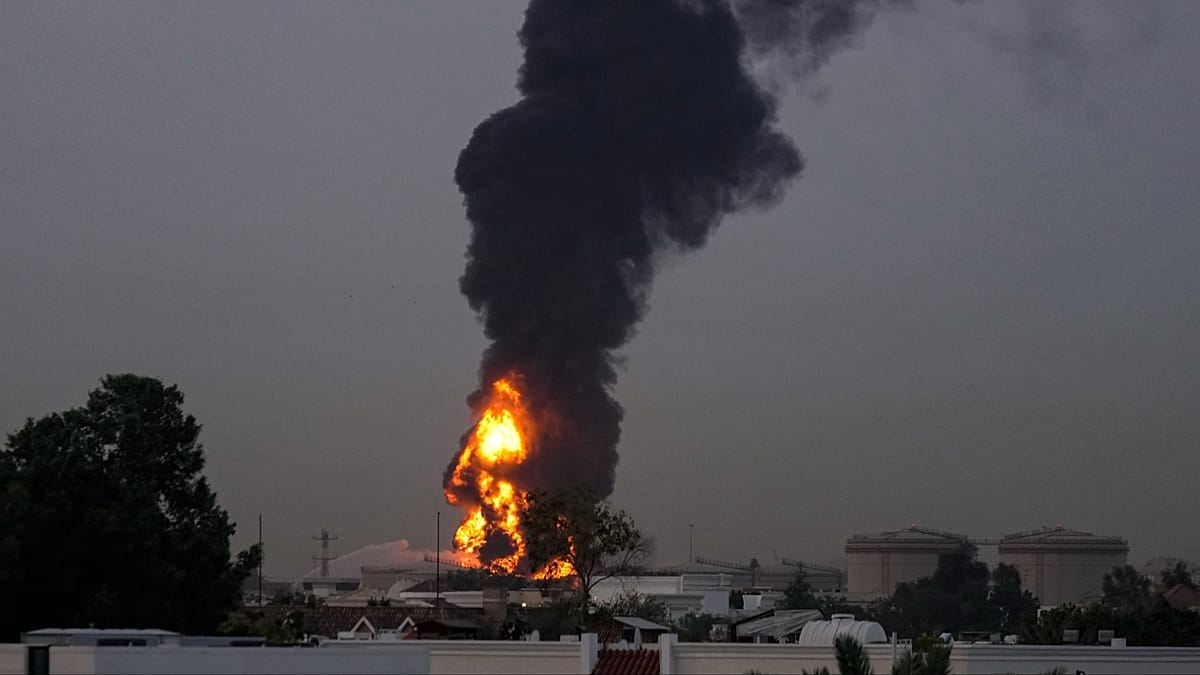
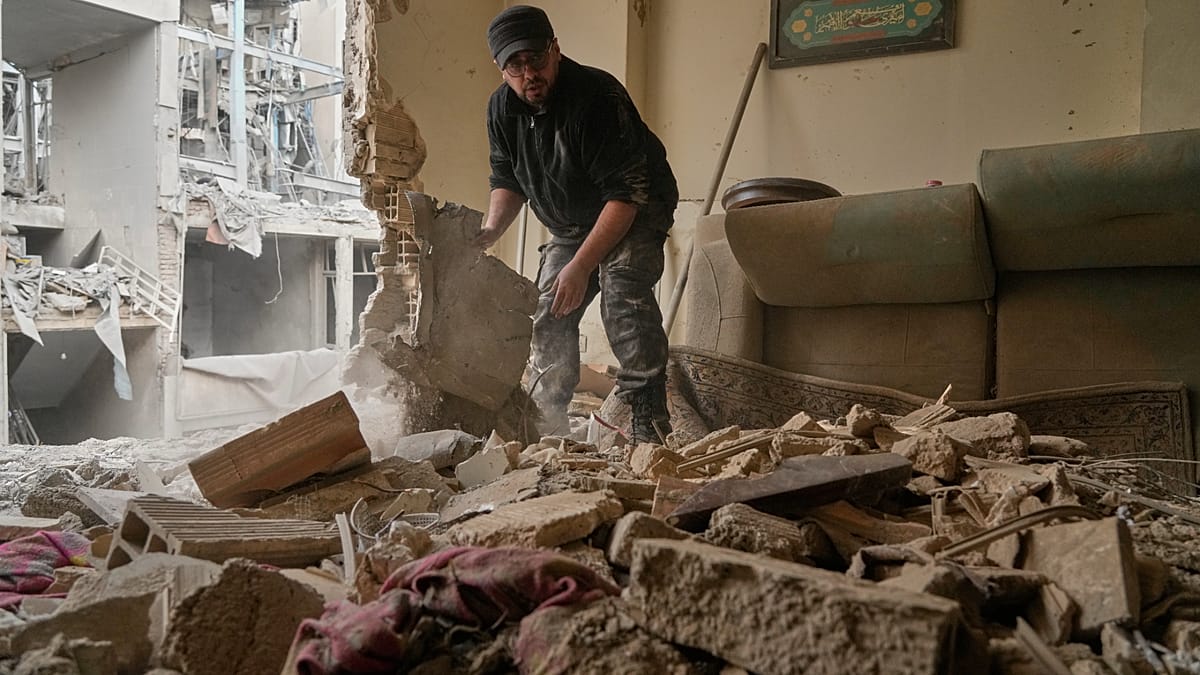
Tensions between Hungary and Ukraine have escalated significantly since a Soviet-era pipeline was damaged in an incident at the end of January. Ukraine blames a Russian strike for the damage, rendering the Druzhba operational.
Hungary claims Ukraine is lying and the pipeline is operational. Budapest, alongside Slovakia, has called for an inspection.
The EU is urging both sides to tone down their language and is now backing Budapest’s request for an external check, although Ukraine has yet to agree, and it is unclear who the experts responsible for it would be.
Arriving in Brussels on Monday, Hungary’s foreign minister Péter Szijjártó went on the attack, telling reporters “there is no technical or physical reason” for supply to remain halted other than politics.
“There were initiatives taken by us, by the Slovaks, even by the European Union, to allow a site visit, to see the actual state of the pipeline. All of these proposals were rejected,” Szijjártó said.
Ukraine’s state energy company Naftogaz together with the foreign ministry briefed diplomats from over 40 countries on the pipeline, signaling they can prove it is damaged.
“Comprehensive materials were presented on the nature of the attack and its consequences, including photographs and video footage from the scene. Diplomats were also briefed in detail on the challenges facing our colleagues,” Naftogaz said.