
Close Menu
Daily Guardian EuropeDaily Guardian Europe
  • Home
  • Europe
  • World
  • Politics
  • Business
  • Lifestyle
  • Sports
  • Travel
  • Environment
  • Culture
  • Press Release
  • Trending
What's On

Exclusive: EU countries sound alarm over weapons brought back from Ukraine front line

September 22, 2026

Iraq to collect 6 million weapons despite pushback from Iran-backed militias

September 22, 2026

One-bedroom flat rent in Portugal costs more than minimum wage

September 22, 2026

The EU spent billions on a cyberattack shield — nobody checked if it worked

September 22, 2026

New book by Princess Diana’s brother prompts war of words with King Charles

September 22, 2026
Facebook X (Twitter) Instagram
Web Stories
Facebook X (Twitter) Instagram
Daily Guardian Europe
Newsletter
  • Home
  • Europe
  • World
  • Politics
  • Business
  • Lifestyle
  • Sports
  • Travel
  • Environment
  • Culture
  • Press Release
  • Trending
Daily Guardian EuropeDaily Guardian Europe
Home»Lifestyle
Lifestyle

YouTube’s new ‘exposure-based’ model counts hovering over video as a view

By staffAugust 31, 20263 Mins Read
YouTube’s new ‘exposure-based’ model counts hovering over video as a view
Share
Facebook Twitter LinkedIn Pinterest Email

Published on
31/08/2026 – 17:32 GMT+2

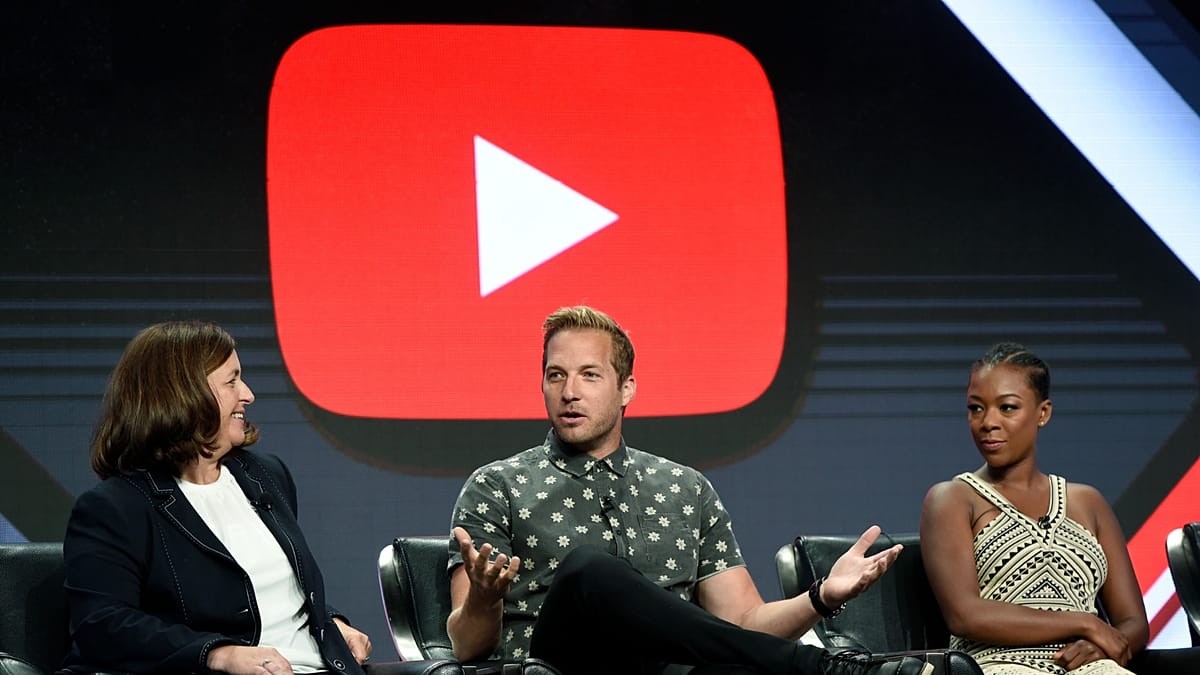
YouTube is about to make every video on the platform look far more popular overnight, and it will not cost the company a cent.

The platform is shifting to what it calls an “exposure-based model” for views, applied across every format, including shorts, long-form videos, podcasts and live streams.

Under the new system, a “view” counts the moment the first frame plays, even if someone is just hovering over a thumbnail.

The upshot is simple — the big number under every video is about to go up, probably fast, and it will be counted the same way everywhere on the platform.

The change kicks in for any video uploaded after 24 August, which will show the new first-frame count from the outset.

Videos already on the platform keep their existing tally until then, after which future views get counted under the new rules.

YouTube frames this as a tidying-up exercise, more “consistency” across the platform, no content slipping through uncounted and less confusion about what a view actually represents.

But there is a useful precedent for what “consistency” actually means in practice.

YouTube already ran this experiment when it switched its short videos over to first-frame counting back in March last year, and the results were immediate: view counts on Shorts jumped by roughly 70%, according to YouTube’s own figures. Seventeen months later, the company is rolling the same trick out everywhere else.

It is also just catching up. Instagram and TikTok have counted views this way for years, and creators who post across all three platforms have long watched their YouTube numbers look comparatively anemic by contrast.

This closes that gap, on paper if nothing else.

Here is the catch: none of it will put an extra cent in creators’ pockets, since YouTube is not changing how it calculates ad payouts. It will keep a separate metric, now branded as “engaged views” or someone watching for several seconds, the old standard, specifically for that purpose.

Inflated headline numbers will largely be show while the money still flows according to the old method.

YouTube says the shift came from creator feedback that the tangle of different view metrics made it hard to gauge true exposure.

That claim is plausible, though the timing also works in YouTube’s favour.

Most creators do not primarily earn through YouTube ad revenue: according to marketing platform IdeaEquity, up to 70% of creator income comes instead from brand deals and sponsorships, where view counts function as a bargaining chip rather than a direct source of payment.

Which is the real function of this change.

Bigger numbers give creators more leverage to walk into brand negotiations, but none of that leverage comes out of YouTube’s pocket.

The platform gets to hand out a popularity boost that costs it nothing and hands the bill for actually paying creators more, if there is one, to advertisers and brands instead.

Share. Facebook Twitter Pinterest LinkedIn Tumblr Email

Keep Reading

The EU spent billions on a cyberattack shield — nobody checked if it worked

Hundreds protest Google data centre planned for small Austrian town

Can AI feel pain? AI models chose to harm users to escape pain-like state, study finds

Nvidia chip-use emissions match that of a Russian state coal producer, report says

Another Big Tech fine: Google penalised €403m by Irish data watchdog

‘Only high I.Q. individuals need apply’: Trump resists calls to slow AI development

Fear of AI job losses now outweighs hope of new jobs, study finds

From Madrid to Zagreb, Europe’s autonomous vehicles are multiplying

Anthropic warns AI is getting closer to building its own successor

Editors Picks

Iraq to collect 6 million weapons despite pushback from Iran-backed militias

September 22, 2026

One-bedroom flat rent in Portugal costs more than minimum wage

September 22, 2026

The EU spent billions on a cyberattack shield — nobody checked if it worked

September 22, 2026

New book by Princess Diana’s brother prompts war of words with King Charles

September 22, 2026

Subscribe to News

Get the latest Europe and world news and updates directly to your inbox.

Latest News

Macron pushes for energy truce between Ukraine and Russia – POLITICO

September 22, 2026

Weber warns Morocco of ‘obvious consequences’ over Ceuta border crisis

September 22, 2026

Armed group shuts pipeline from Libya’s largest oil field, jeopardising exports

September 22, 2026
Facebook X (Twitter) Pinterest TikTok Instagram
© 2026 Daily Guardian Europe. All Rights Reserved.
  • Privacy Policy
  • Terms
  • Advertise
  • Contact

Type above and press Enter to search. Press Esc to cancel.