


Which city will be next to follow suit? After several major urban areas such as Toulouse and Clermont-Ferrand, the town of Moulins (19,000 inhabitants) has in turn introduced (source in French) on Friday a night-time curfew for under-16s for the duration of the FIFA World Cup.
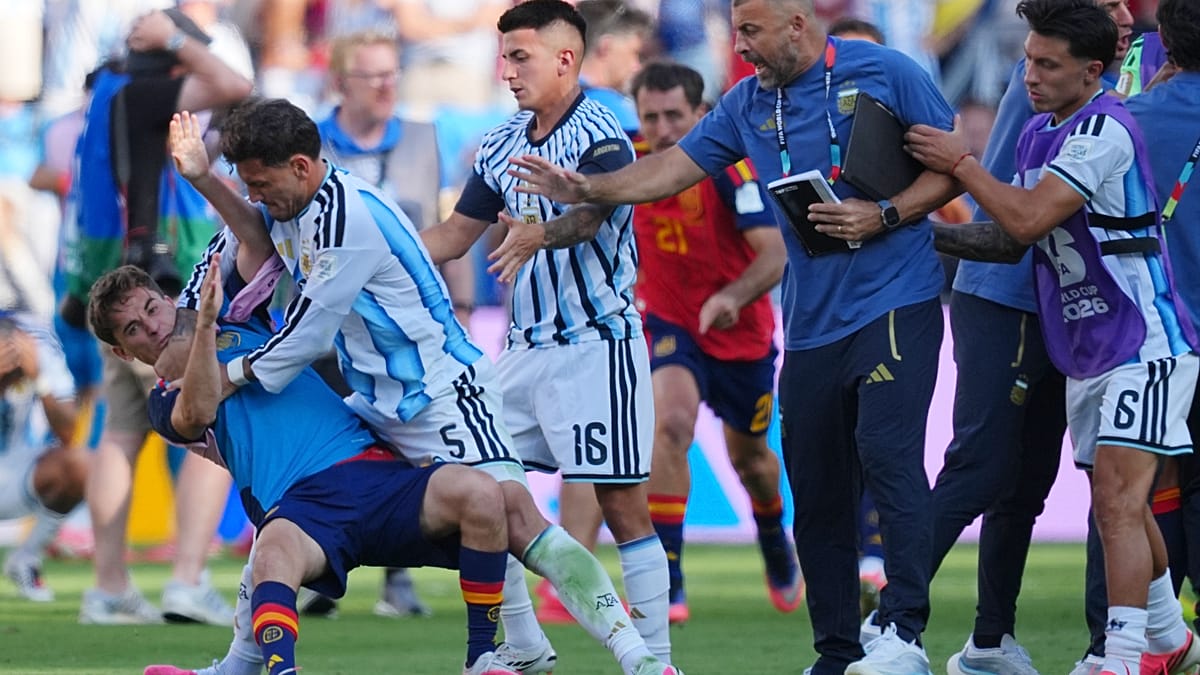
This measure follows several episodes of urban violence in recent weeks, notably after PSG’s Champions League victory.
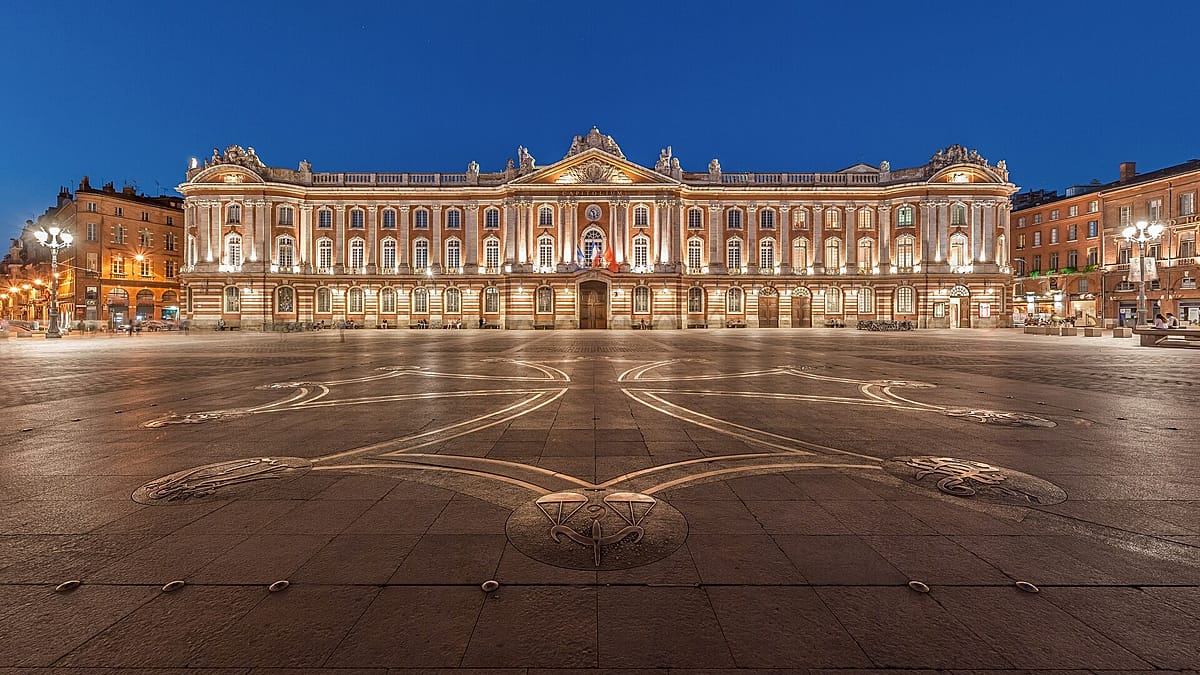
In the Pink City, the effects of this curfew will be seen for the first time on Saturday evening, coinciding with the highly anticipated clash between Brazil and Morocco.
The municipality led by Jean-Luc Moudenc, a centre-right independent, says (source in French) the aim is to “guarantee the safety of Toulouse residents and of minors”. It specifies that the order, which imposes a curfew from 10 pm to 5 am across an extended area of the city centre, was adopted “in consultation with the prefecture and the national police”.
The movement of minors remains permitted when they are accompanied by a parent or legal guardian, or for specific reasons such as a medical emergency.
A mix of stick and carrot: alongside the announcement of the curfew came the promise of a fan zone able to host up to 18,000 supporters, a demand notably pushed by the left-wing opposition. It will be set up on Ramier Island for France’s matches should they qualify for the quarter-finals, semi-finals or the final.
The order has been condemned (source in French) by LFI MP François Piquemal, a former rival of Jean-Luc Moudenc in the municipal elections, who calls the measure “madness” and believes that “young people will be particularly penalised” throughout the tournament.
Clermont-Ferrand takes a hard line
The historic capital of Auvergne could become a destination for those looking to escape the World Cup atmosphere: Les Républicains (LR) mayor Julien Bony has announced the toughest measures so far to regulate the event.
On top of a curfew from 11 pm to 7 am, with a 150-euro fine for non-compliance, the city will not host any fan zone, “even if France reach the final”.
The right-wing mayor has also asked bars showing the matches to turn their screens towards the inside of their premises to prevent crowds gathering in the streets.
The authorities justify these restrictions by the incidents that occurred after the Champions League final on 30 May, then again on 5 June, “following calls for riots circulated on social media”.
Major cities show little enthusiasm for fan zones
While Marseille, run by the Socialists, is not planning to organise a fan zone, according to the local press, Paris has not yet settled on the exact arrangements. City hall has simply, through Socialist first deputy mayor Lamia El Aaraje, expressed its wish to set one up.
In Lyon, the Green-led city council tells Euronews that installing a fan zone is a “possibility”, “depending on how far” France go in the tournament. For the time being, it “invites residents of Lyon to watch the matches in the various bars, bistros and restaurants that are showing them”.
Some have already decided to play along, however. Strasbourg will show France’s matches on a giant screen, as well as on bar terraces.
In Vénissieux, in the Rhône department, LFI mayor Idir Boumertit goes even further, promising his constituents on X “a great popular summer”. On the programme: match screenings at various venues around the city, “with a bar and barbecue area”.
According to the mayor, the municipality wanted to show “matches featuring teams from every continent and every region of the world”, while regretting that many fixtures are scheduled in the middle of the night because of the time difference.
The 2026 World Cup is being held in the United States, Canada and Mexico from 11 June to 19 July.