
Close Menu
Daily Guardian EuropeDaily Guardian Europe
  • Home
  • Europe
  • World
  • Politics
  • Business
  • Lifestyle
  • Sports
  • Travel
  • Environment
  • Culture
  • Press Release
  • Trending
What's On

Syria needs ‘comprehensive security agreement’ with Israel, foreign minister tells Euronews

May 13, 2026

Russian parliament passes bill allowing Putin to invade foreign countries – POLITICO

May 13, 2026

EU Commission to dispatch team to Budapest as it mulls Hungarian investment bank for EU cash

May 13, 2026

EU trumpets its reliability on global health as US slashes foreign aid – POLITICO

May 13, 2026

Europe watches Beijing summit from the sidelines and fears the worst

May 13, 2026
Facebook X (Twitter) Instagram
Web Stories
Facebook X (Twitter) Instagram
Daily Guardian Europe
Newsletter
  • Home
  • Europe
  • World
  • Politics
  • Business
  • Lifestyle
  • Sports
  • Travel
  • Environment
  • Culture
  • Press Release
  • Trending
Daily Guardian EuropeDaily Guardian Europe
Home»Travel
Travel

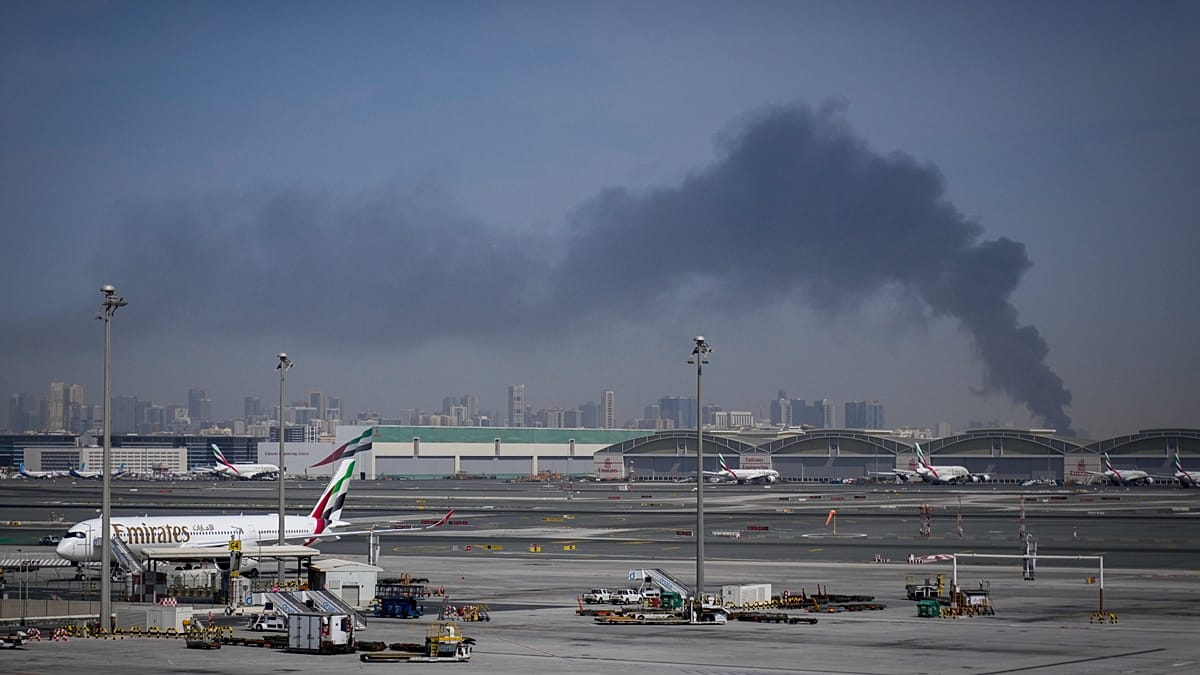
Why you could face legal consequences for posting strike footage in the Middle East

By staffMarch 1, 20263 Mins Read
Why you could face legal consequences for posting strike footage in the Middle East
Share
Facebook Twitter LinkedIn Pinterest Email

Social media has been awash with footage from influencers and tourists in the Middle East of Iranian retaliatory strikes being intercepted across the region.

But authorities are warning citizens, residents and visitors that those posting clips and images on social media could face legal consequences.

Rules are in place around sharing these videos and photographs because in doing so you could jeopardise security by revealing the position of defensive military installations. Footage could also be used for improving the aim of future strikes by revealing where exactly was hit.

Such rules are not unique to the region, and there are similar restrictions in Ukraine during the ongoing Russian invasion.

Two arrested in Bahrain for social clips of strikes

On Saturday 28 February, Bahrain’s Ministry of Interior announced that two people had been arrested for live broadcasts and publishing footage on their social media accounts.

“MOI affirms that anyone who films, post or repost videos from the scene of events is subject to legal accountability, as this constitutes a legal violation that could harm security and public order,” the ministry said in a statement posted on X.

Other regional entities have posted comparable statements across social media platforms.

Kuwait’s Ministry of Interior asked people to refrain from filming both the interception of missiles in the airspace and the authorities while they are carrying out their duties as this could “incite anxiety among community members, impact the course of security procedures, and contribute to the dissemination of inaccurate information”. The ministry went on to say that “legal measures” will be taken against those spreading rumours or promoting misleading news.

Qatar’s Ministry of Interior stressed the importance of “refraining from circulating rumours or publishing images or videos of the aftermath to avoid legal liability”, with the Dubai Media Office urging similar restraint.

The importance of official sources

As already mentioned, these rules are twofold and also aim to prevent the spread of fake news.

Authorities in each of the countries affected are regularly sharing updates on X and on their respective news agency websites.

Those in Bahrain can follow @moi_bahrain and @bna_en, while those in the UAE may want to follow @DXBMediaOffice and @ADMediaOffice. In Qatar, @QNAEnglish and @MOI_QatarEn should be your first port of call, while in Kuwait you should follow @kuna_en and @Moi_kuw. Jordan is posting updates on @PetranewsEN and @moi_jor; for Saudi Arabia follow @Spa_Eng and @MOISaudiArabia.

A number of embassies are also providing updates to citizens who register with them.

Euronews, which has bureaux in Doha and Dubai, is also running a live blog with updates that you can follow on our homepage.

Share. Facebook Twitter Pinterest LinkedIn Tumblr Email

Keep Reading

From dances to destinations: TikTok Go lets US users book travel experiences in-app

The top under-the-radar destinations in Europe you need to know about this summer

Will airfares be easier on our wallets this summer? Some carriers are cutting prices

Feeling brave? These are the best solo adventure travel destinations to visit in Europe

All Charleroi Airport flights to be grounded on Tuesday amid national strikes

Hushpitality, inheritourism and US road trips: These are all the 2026 travel trends you need to know

Why private members’ clubs are the latest trend in luxury hotels – and which ones you should join

Ryanair suspends the operation of its base in Thessaloniki in winter due to Fraport charges

Dublin to Belfast train journeys set to drop below two hours in €700m rail overhaul

Editors Picks

Russian parliament passes bill allowing Putin to invade foreign countries – POLITICO

May 13, 2026

EU Commission to dispatch team to Budapest as it mulls Hungarian investment bank for EU cash

May 13, 2026

EU trumpets its reliability on global health as US slashes foreign aid – POLITICO

May 13, 2026

Europe watches Beijing summit from the sidelines and fears the worst

May 13, 2026

Subscribe to News

Get the latest Europe and world news and updates directly to your inbox.

Latest News

Andy Burnham’s camp scrambles to challenge a Wes Streeting leadership bid – POLITICO

May 13, 2026

Staged claims and Israeli hoaxes: Debunking viral conspiracy theories about hantavirus

May 13, 2026

The lame duck prime minister’s survival guide – POLITICO

May 13, 2026
Facebook X (Twitter) Pinterest TikTok Instagram
© 2026 Daily Guardian Europe. All Rights Reserved.
  • Privacy Policy
  • Terms
  • Advertise
  • Contact

Type above and press Enter to search. Press Esc to cancel.