


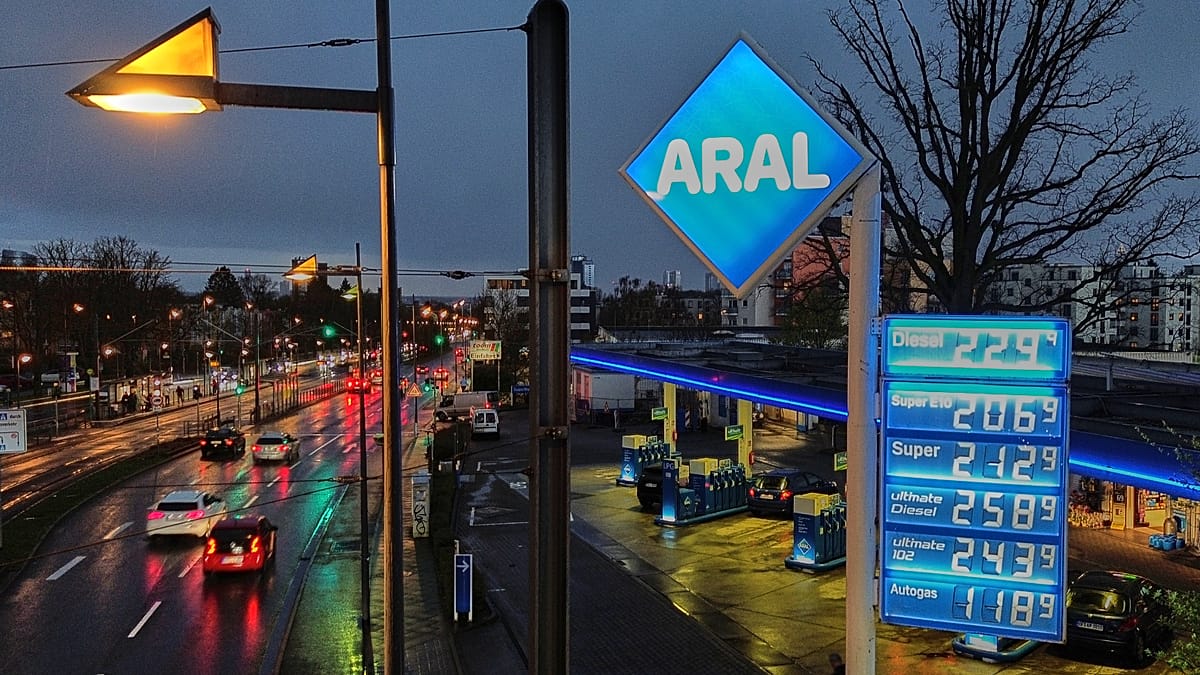




For Russia, the surge in oil prices amounts to an economic windfall at a crucial moment, as the cost of four years of war in Ukraine threatened to spill over into a domestic economic crisis.
The assault on Iran may undermine Moscow’s claim to stand by its allies, but it is already benefiting Russia’s economy and, by extension, its war against Ukraine — leaving the Kremlin well placed to emerge as one of the main beneficiaries of the expanding conflict in the Middle East.
Economic turnaround
Only several weeks ago, the mood among Russia’s economic elite was grim.
The Russian finance ministry’s budget plan for this year assumed a baseline benchmark of $59 per barrel of Urals crude, the country’s main export blend. But in January, energy revenues plunged to their lowest level since 2020, compounding a disappointing tax haul.
As Western sanctions, high interest rates and labor shortages strained the economy, tension between the finance ministry and the central bank on how to mitigate the damage became increasingly visible.
“It was far from a collapse,” said Sergey Vakulenko, a senior fellow at the Carnegie Russia Eurasia Center. “But the government was facing tough choices, had to cut its spending and raise taxes and even consider some reduction in military expenditure.”


