
Close Menu
Daily Guardian EuropeDaily Guardian Europe
  • Home
  • Europe
  • World
  • Politics
  • Business
  • Lifestyle
  • Sports
  • Travel
  • Environment
  • Culture
  • Press Release
  • Trending
What's On

Davos disinvites Iran’s top diplomat after bloody crackdown on protests – POLITICO

January 19, 2026

How is cyberviolence against women and girls spreading across Europe?

January 19, 2026

Video. Spain holds minute of silence for victims of train derailment

January 19, 2026

Lufthansa Group and SWISS become latest airlines to change power bank rules – here’s what to know

January 19, 2026

‘Zootopia 2’ becomes Hollywood’s highest-grossing animated film ever – but who is Number 1 globally?

January 19, 2026
Facebook X (Twitter) Instagram
Web Stories
Facebook X (Twitter) Instagram
Daily Guardian Europe
Newsletter
  • Home
  • Europe
  • World
  • Politics
  • Business
  • Lifestyle
  • Sports
  • Travel
  • Environment
  • Culture
  • Press Release
  • Trending
Daily Guardian EuropeDaily Guardian Europe
Home»Environment
Environment

Why scientists are racing to save this rare ‘hairy’ snail that’s the size of a fingernail

By staffNovember 27, 20252 Mins Read
Why scientists are racing to save this rare ‘hairy’ snail that’s the size of a fingernail
Share
Facebook Twitter LinkedIn Pinterest Email

Published on
27/11/2025 – 8:00 GMT+1

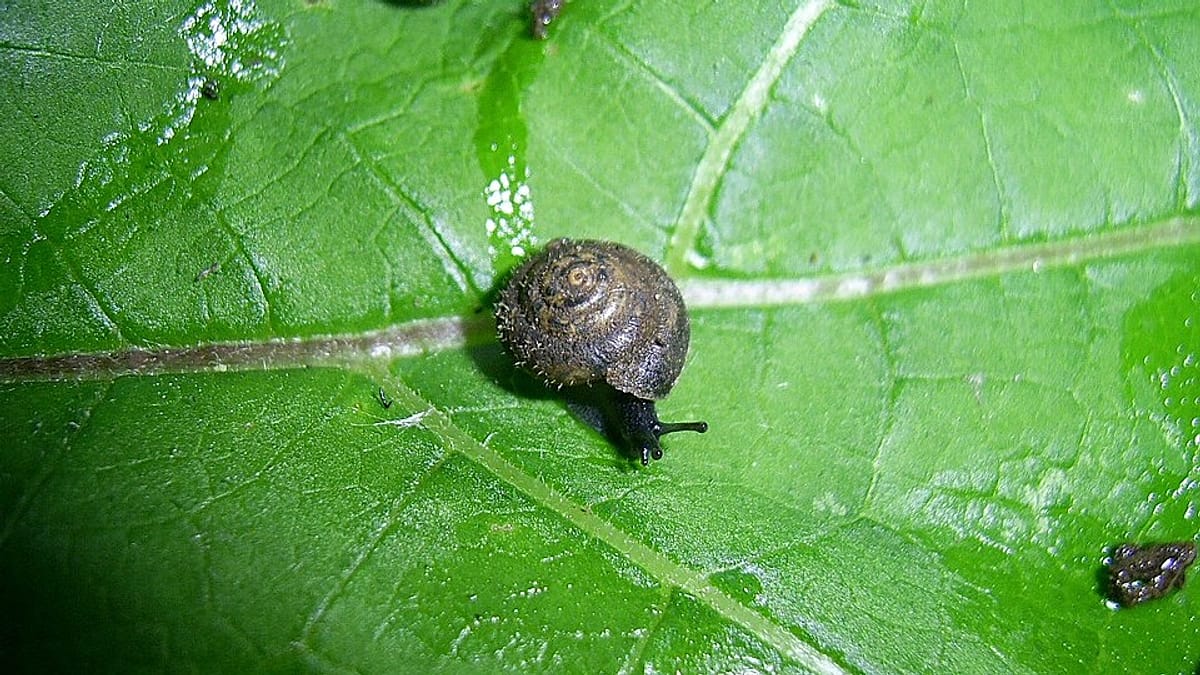
The race to save the elusive German hairy snail is well underway, as conservationists and citizen scientists join forces in a city-wide mission.

More than 100 volunteers are taking part in a series of surveys, led by Citizen Zoo and the Zoological Society of London (ZSL), to better understand the distribution of the at-risk species across London and inform conservation efforts.

However, coming in at the size of a fingernail, finding these rare snails – which are classed as one of the most endangered molluscs in the UK – will be no easy feat.

The ‘charming’ Germany hairy snail

Joe Pecorelli, a freshwater conservation programme manager at ZSL, says the “charming little snail” has been living in riverbanks and wetlands for thousands of years.

While the species wasn’t recorded in Britain until 1982, fossilised remains indicate it has been here since at least Neolithic times, and has potentially been around as far back as the last Ice Age, when Britain was still joined to mainland Europe.

The German hairy snail gets its name from the tiny fibres that cover its shell, which help it retain moisture and cling to riverside plants and debris that it feeds on.

However, due to drivers such as habitat loss and pollution, the snail’s population has significantly declined. In the UK, it is thought the species is now restricted to just a “few sites” of fragmented patches along the River Thames.

‘Safeguarding’ green spaces

“These surveys will help us understand how the snail is faring and how we can protect it, not only securing their future for years to come but also helping safeguard green spaces throughout London for people and wildlife for future generations,” Pecorelli adds.

So far, the survey team, which is also backed by partners including London Wildlife Trust, the Conchological Society of Great Britain and the Port of London Authority, has found the snail in several locations, including in Richmond upon Thames, Iselworth Ait and near Kew.

Director of rewilding at Citizen Zoo Elliot Newton says he was “over the moon” when he found his first German hairy snail – describing them as “beautiful, curious-looking” creatures.

“The surveys show how, by working together across the capital with many partners and empowering local communities, we can gain a deeper understanding of London’s more hidden biodiversity and take steps to protect it,” he adds.

Share. Facebook Twitter Pinterest LinkedIn Tumblr Email

Keep Reading

Sharks are famous for fearsome teeth, but ocean acidification could make them weaker

Use of private jets to Davos has soared in the past three years. Is it time for a super-rich tax?

New Tashkent: Building a sustainable city from scratch

‘Historic’ High Seas Treaty comes into force. But is it enough to save our oceans?

‘Damaging to public understanding’: Spain warns of surge in online abuse towards climate scientists

Video. Race against time: Scientists store endangered glacier ice in Antarctica

World warming faster than forecast as pollution cuts remove hidden cooling effect

Antarctic ice vault preserves Mont Blanc and global glacier samples for future science

UK and EU tree planting pledges face reality check as scientists warn the climate window is closing

Editors Picks

How is cyberviolence against women and girls spreading across Europe?

January 19, 2026

Video. Spain holds minute of silence for victims of train derailment

January 19, 2026

Lufthansa Group and SWISS become latest airlines to change power bank rules – here’s what to know

January 19, 2026

‘Zootopia 2’ becomes Hollywood’s highest-grossing animated film ever – but who is Number 1 globally?

January 19, 2026

Subscribe to News

Get the latest Europe and world news and updates directly to your inbox.

Latest News

Berlin and Paris seek joint strategy against Trump’s tariff threat, Germany’s Merz says – POLITICO

January 19, 2026

Soaring executions in Iran suggest use as ‘tool of state intimidation,’ UN says

January 19, 2026

AIIB marks tenth anniversary with development funding milestone

January 19, 2026
Facebook X (Twitter) Pinterest TikTok Instagram
© 2026 Daily Guardian Europe. All Rights Reserved.
  • Privacy Policy
  • Terms
  • Advertise
  • Contact

Type above and press Enter to search. Press Esc to cancel.