
Close Menu
Daily Guardian EuropeDaily Guardian Europe
  • Home
  • Europe
  • World
  • Politics
  • Business
  • Lifestyle
  • Sports
  • Travel
  • Environment
  • Culture
  • Press Release
  • Trending
What's On

Europe is a favourite winter destination for Americans. Which cities are most popular?

December 21, 2025

At least nine people killed in mass shooting near Johannesburg, South Africa

December 21, 2025

Everything to know about US President Donald Trump’s new plans for the Moon

December 21, 2025

Video. Latest news bulletin | December 21st, 2025 – Morning

December 21, 2025

Turkey warns Russia and Ukraine over downed drones in Black Sea

December 20, 2025
Facebook X (Twitter) Instagram
Web Stories
Facebook X (Twitter) Instagram
Daily Guardian Europe
Newsletter
  • Home
  • Europe
  • World
  • Politics
  • Business
  • Lifestyle
  • Sports
  • Travel
  • Environment
  • Culture
  • Press Release
  • Trending
Daily Guardian EuropeDaily Guardian Europe
Home»Environment
Environment

Why scientists are racing to save this rare ‘hairy’ snail that’s the size of a fingernail

By staffNovember 27, 20252 Mins Read
Why scientists are racing to save this rare ‘hairy’ snail that’s the size of a fingernail
Share
Facebook Twitter LinkedIn Pinterest Email

Published on
27/11/2025 – 8:00 GMT+1

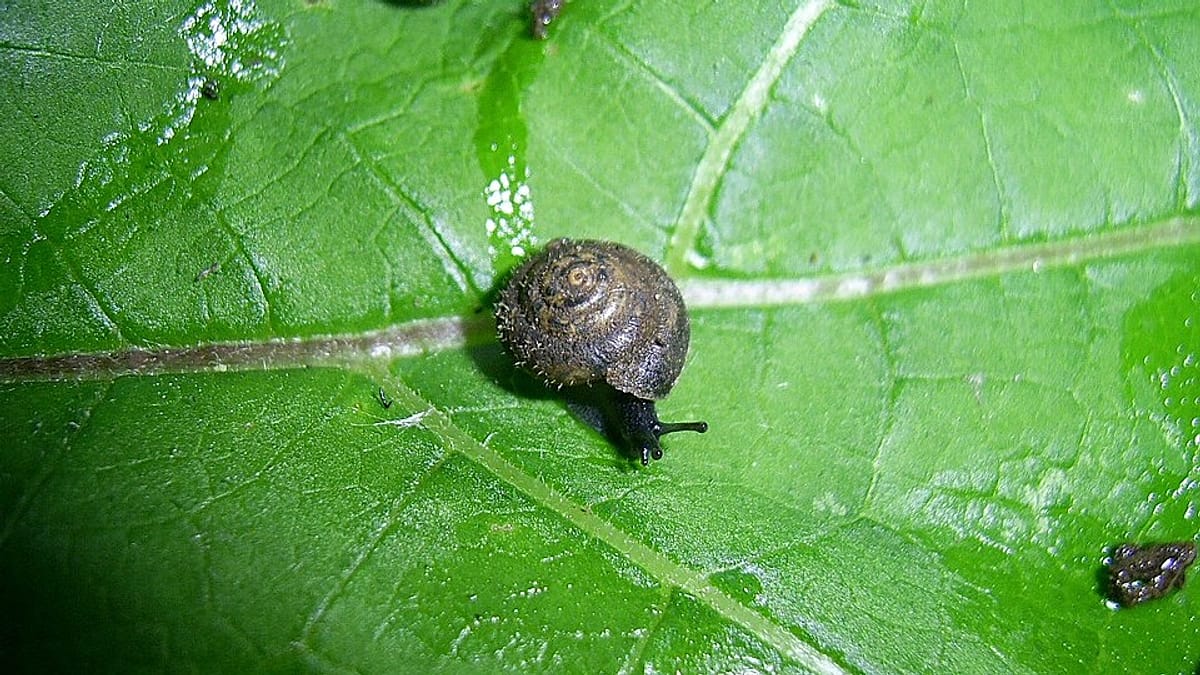
The race to save the elusive German hairy snail is well underway, as conservationists and citizen scientists join forces in a city-wide mission.

More than 100 volunteers are taking part in a series of surveys, led by Citizen Zoo and the Zoological Society of London (ZSL), to better understand the distribution of the at-risk species across London and inform conservation efforts.

However, coming in at the size of a fingernail, finding these rare snails – which are classed as one of the most endangered molluscs in the UK – will be no easy feat.

The ‘charming’ Germany hairy snail

Joe Pecorelli, a freshwater conservation programme manager at ZSL, says the “charming little snail” has been living in riverbanks and wetlands for thousands of years.

While the species wasn’t recorded in Britain until 1982, fossilised remains indicate it has been here since at least Neolithic times, and has potentially been around as far back as the last Ice Age, when Britain was still joined to mainland Europe.

The German hairy snail gets its name from the tiny fibres that cover its shell, which help it retain moisture and cling to riverside plants and debris that it feeds on.

However, due to drivers such as habitat loss and pollution, the snail’s population has significantly declined. In the UK, it is thought the species is now restricted to just a “few sites” of fragmented patches along the River Thames.

‘Safeguarding’ green spaces

“These surveys will help us understand how the snail is faring and how we can protect it, not only securing their future for years to come but also helping safeguard green spaces throughout London for people and wildlife for future generations,” Pecorelli adds.

So far, the survey team, which is also backed by partners including London Wildlife Trust, the Conchological Society of Great Britain and the Port of London Authority, has found the snail in several locations, including in Richmond upon Thames, Iselworth Ait and near Kew.

Director of rewilding at Citizen Zoo Elliot Newton says he was “over the moon” when he found his first German hairy snail – describing them as “beautiful, curious-looking” creatures.

“The surveys show how, by working together across the capital with many partners and empowering local communities, we can gain a deeper understanding of London’s more hidden biodiversity and take steps to protect it,” he adds.

Share. Facebook Twitter Pinterest LinkedIn Tumblr Email

Keep Reading

Schools told to keep children indoors and flights cancelled as air pollution peaks in Sarajevo

Love Island for lizards: Critically endangered iguanas now thriving thanks to matchmaking project

ATP introduces new extreme heat rule to protect players during men’s tennis matches

‘Hot droughts’ could push the Amazon into a hypertropical climate by 2100 – and trees won’t survive

Economic growth has been linked to rising emissions for decades. Now, the ‘opposite is happening’

‘Sophisticated’ criminals busted as 30,000 live animals seized in wildlife trafficking crackdown

From Nike to H&M: How the fashion industry’s ‘big green plan’ is worsening microplastic pollution

‘A planet in peril’: UN calls for global climate investment to unlock €17 trillion benefit by 2070

Deep-sea mining tests impact more than a third of seabed animals, landmark study warns

Editors Picks

At least nine people killed in mass shooting near Johannesburg, South Africa

December 21, 2025

Everything to know about US President Donald Trump’s new plans for the Moon

December 21, 2025

Video. Latest news bulletin | December 21st, 2025 – Morning

December 21, 2025

Turkey warns Russia and Ukraine over downed drones in Black Sea

December 20, 2025

Subscribe to News

Get the latest Europe and world news and updates directly to your inbox.

Latest News

Uzbekistan and Japan announce new cooperation projects worth over €11 billion

December 20, 2025

Video. Latest news bulletin | December 20th, 2025 – Evening

December 20, 2025

Former Pakistani prime minister Imran Khan and wife sentenced to 17 years in prison

December 20, 2025
Facebook X (Twitter) Pinterest TikTok Instagram
© 2025 Daily Guardian Europe. All Rights Reserved.
  • Privacy Policy
  • Terms
  • Advertise
  • Contact

Type above and press Enter to search. Press Esc to cancel.