


The alpine resort of Évian-les-Bains, better known for its mineral water than its geopolitics, will become the temporary centre of global diplomacy from Monday as leaders of the world’s seven largest advanced economies gather for their annual summit. The 52nd G7 meeting runs until Wednesday on the French shore of Lake Geneva. By most assessments, it arrives at one of the most fraught moments in recent memory.
Donald Trump is expected to fly to France late Sunday, immediately after watching a mixed-martial arts bout on the White House South Lawn — a fight that falls on his 80th birthday. His delayed departure forced the summit itself to be pushed back by a day.
According to the Élysée schedule, Macron will receive Trump privately at 17:00 on Monday before a formal welcome dinner that evening billed as “Responding together to the major international challenges”.
After the G7 summit, the American president will travel to the Palace of Versailles for a dinner with Emmanuel Macron. According to the Élysée Palace, this reception will mark the 250th anniversary of American independence, in a “key location for Franco-American friendship where the treaty enshrining the independence” of the United States was signed in 1783.
The Iran deal that may — or may not — be done
All eyes are on a potential peace agreement between Washington and Tehran as world leaders arrive in Évian, with a deal appearing closer than at any point since Trump launched the war against Iran in February.
A senior administration official said an agreement could come within days, though it was “not 100%” certain. Pakistan, a key mediator, described the situation as closer to resolution than “ever before.”
The economic stakes could scarcely be higher. Until the conflict began, roughly a quarter of the world’s seaborne oil trade passed through the Strait of Hormuz, which Iran closed to “unfriendly nations” in early March, sending energy prices sharply higher.
Even with a deal, clearing the mines will be a substantial military undertaking. The UK and France have prepared a mine-clearing proposal backed by military planners from more than 15 countries, designed for rapid deployment within days of any peace agreement. Securing Trump’s endorsement is expected to be one of the summit’s central goals — though the president last week downplayed the threat posed by Iranian mines, even as Secretary of State Marco Rubio acknowledged large sections of the waterway remained mined.
A “bruised bromance” at the heart of the summit
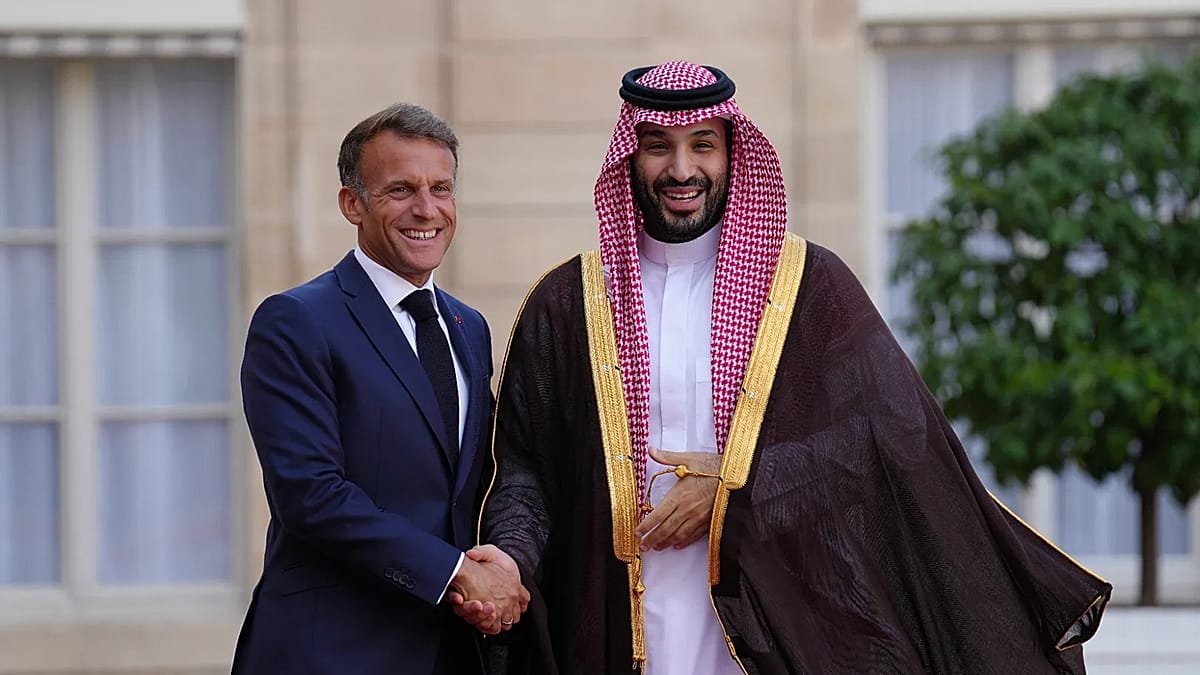
Macron is hosting the summit, and his relationship with Trump — once sealed by a famous white-knuckle handshake at the 2018 Bastille Day parade — will be on full display. The warmth of those early days has curdled into something more transactional, though a personal channel of calls and texts has survived.
“The bromance is gone but there’s a level of something like grudging mutual respect between them in the room,” one European official said, according to the Financial Times.
Europeans arrive with fresh grievances: US tariffs on EU goods, Trump’s NATO ambiguity and the economic pain caused by the Hormuz closure. “In 2025 Europeans were willing to accept the bend-the-knee strategy,” said Max Bergmann of the Centre for Strategic and International Studies, per the FT. “They’re less accepting of it in 2026.”
Canadian Prime Minister Mark Carney arrives having spent Saturday in Dublin delivering a pointed address on the eve of the summit. “Ireland and Canada are navigating a global rupture, not a quiet transition,” he told Trinity College. “The post-Cold War world’s rules-based order is breaking down.”
Ukraine and AI: the other fault lines
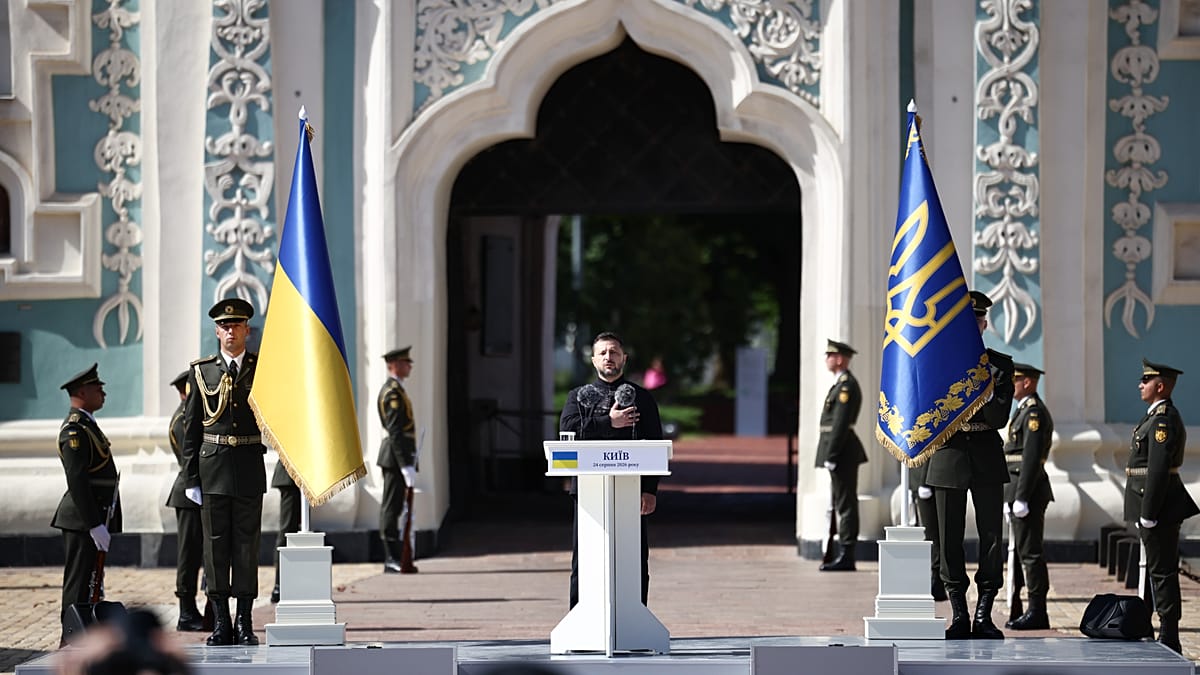
Volodymyr Zelenskyy will attend a G7 working session on Tuesday — titled “Building peace and security for Ukraine and Europe” — but will not receive a bilateral meeting with Trump, a signal of Kyiv’s diminished standing in Washington. The Élysée schedule shows Zelenskyy arriving at 08:55 on Tuesday, with the session beginning at 09:00. A separate working lunch that afternoon will bring the leaders of Egypt, the UAE and Qatar to the table for talks on “facing the crises and guaranteeing stability in the Middle East”. Trump is scheduled for one-on-ones with the leaders of France, Qatar, the UAE, Egypt and India.
On artificial intelligence, the summit will host an unprecedented gathering of industry chiefs. The CEOs of OpenAI, Google DeepMind and Anthropic — Sam Altman, Demis Hassabis and Dario Amodei — have all confirmed attendance, marking the first G7 at which all three leading AI companies are represented. Macron personally invited Altman, for whom this will be a first G7 appearance. The Élysée has scheduled a dedicated working lunch on Wednesday with business leaders on “ensuring a safe, rapid and effective deployment of artificial intelligence” — the summit’s most concrete institutional moment on the technology.