
Published on •Updated
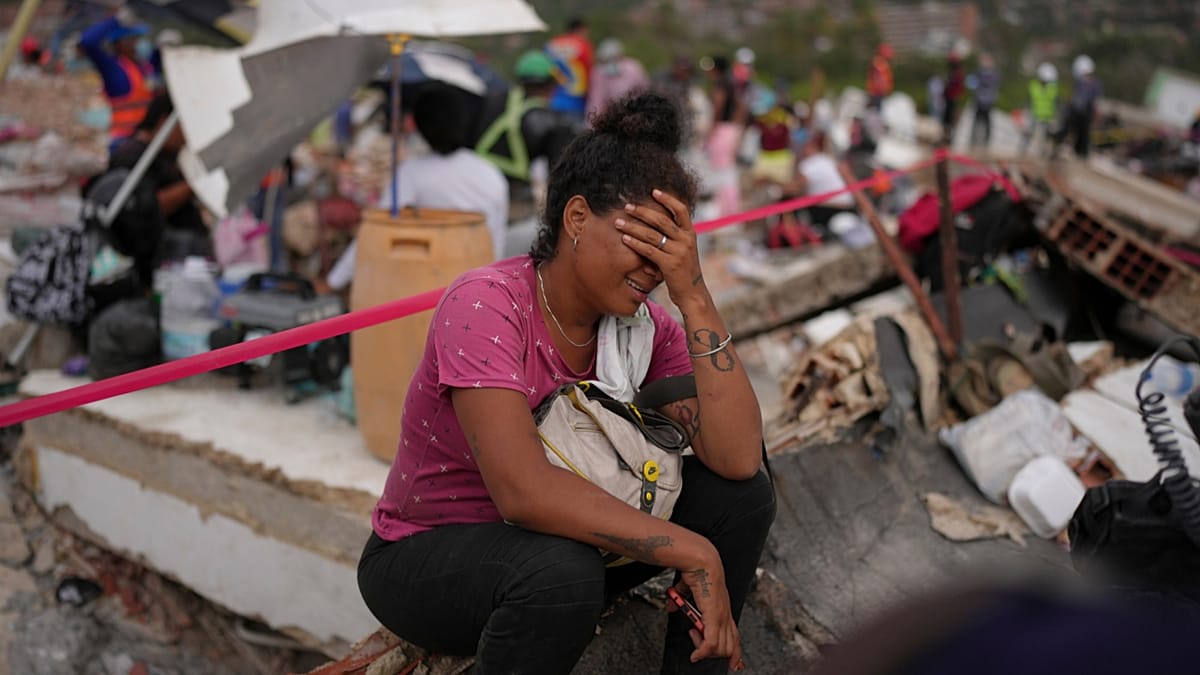
Thousands of displaced Venezuelans are sleeping in crowded shelters or outside without access to clean water amid dismal sanitary conditions following the June 24 earthquakes, which officials say killed at least 2,295 and left more than 11,000 injured.
Aid workers have warned that the aftermath of the earthquakes has developed into a major medical crisis that, unless quickly brought under control, will claim more lives in the coming days and weeks. The emergency has exposed Venezuela’s chronic shortage of doctors, the result of years of economic crisis, underfunding, and emigration.
“The issue we foresee just around the corner is the infections that patients who have been exposed to the disaster for the longest time might bring,” said Eugenio Cova, the head of the trauma unit at Hospital del Oeste Dr José Gregorio Hernández in Caracas, the capital. “We’ve already gone through a period of complex trauma, which will continue to occur, but now it’s complicated by infections.”
Aid workers also warn that extensive damage to infrastructure could fuel disease outbreaks in the hardest-hit communities.
“It’s very hot, and there’s a lot of concern about potential vector-borne diseases,” said Veronique Durroux, the U.N. humanitarian agency spokesperson for Latin America and the Caribbean. “Waste management is an issue. Debris management, when you see the scale of devastation, it’s very concerning.”
US military deploys 900 personnel to aid Venezuela
The United States had 900 military personnel on the ground as of Wednesday to support relief and rescue operations.
The military has repaired an earthquake-damaged runway at the country’s primary international airport serving Caracas to allow the arrival of humanitarian aid, whilst positioning naval assets off the coast to receive airlifted survivors. A military spokesperson confirmed that a further 100 personnel from the US State Department have been deployed to support these operations.
Thus far, the Trump administration has pledged 300 million dollars in assistance to Venezuela, channelled via aid groups and the United Nations. However, this represents only a fraction of the post-earthquake assistance required, with material damage from the quakes estimated at over 6.7 billion dollars, according to satellite analysis by the UN Development Programme.
An additional 50 international teams have arrived in recent days to assist with search-and-rescue efforts, including personnel from nations such as Ecuador and Israel that lack diplomatic ties with Venezuela. Despite the narrowing odds, rescuers continue to locate a small number of survivors, including a toddler who was pulled alive on Tuesday after being trapped for six days.