



Published on •Updated
The figure blows all forecasts out of the water. Venezuela is set to acknowledge a debt of close to 240 billion dollars, far above the 150 to 200 billion the market had been assuming until now. The report, revealed by the Financial Times, would put Caracas on course for the largest restructuring ever recorded, surpassing even Greece’s historic default in 2012.
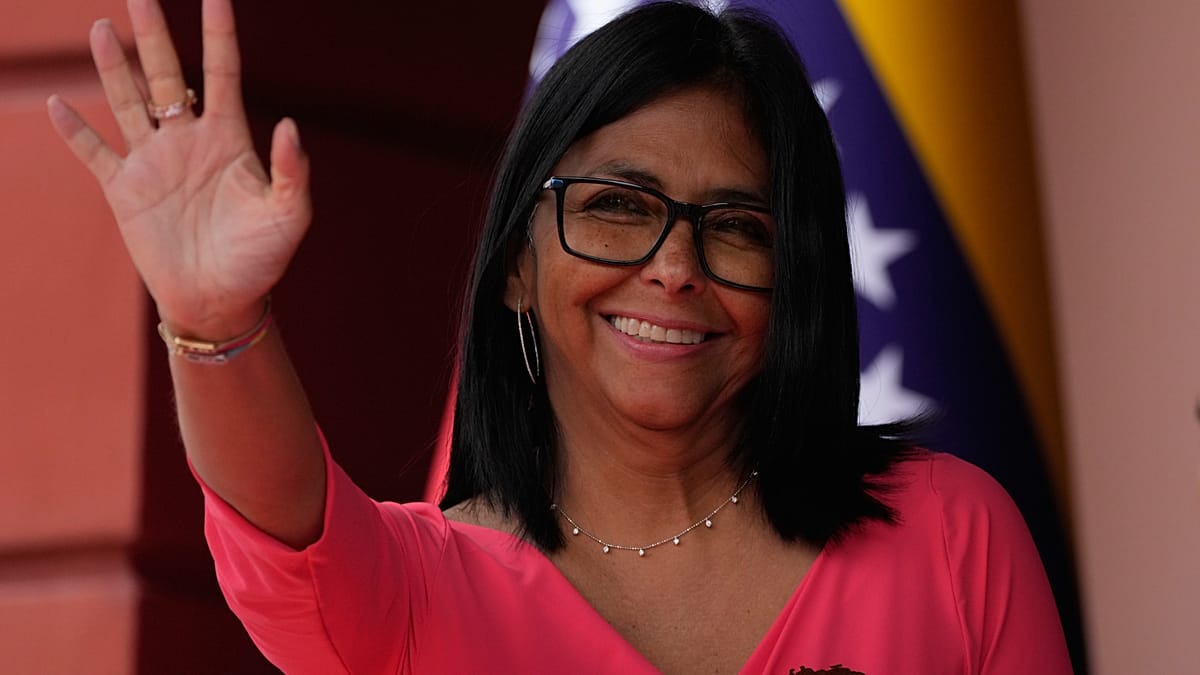
The move comes in the wake of the country’s political upheaval. After Nicolás Maduro was captured last January, interim president Delcy Rodríguez took the reins and has set herself a clear goal: to strike a deal with creditors before the end of the year and bring Venezuela back to international markets, from which it has been shut out for almost a decade.
According to the British daily, US bank Centerview Partners, hired as adviser, is finalising a viability plan that will be published in early July. Before that, this month, Caracas will unveil a macroeconomic framework offering a sobering snapshot: an economy shrunk to around 100 billion dollars, compared with the 370 billion recorded in Hugo Chávez’s final year in office in 2012.
A debt far bigger than expected
But one detail is setting alarm bells ringing: unlike in other major restructurings, the debt sustainability analysis does not bear the signature of the International Monetary Fund. This is already worrying the Venezuelan opposition, which fears the country could be left in an even more fragile position vis-à-vis its creditors.
The IMF itself has kept its distance and has clarified that, although it is not taking part in the process, it is maintaining technical contacts with Caracas, with which it resumed ties last April after a seven-year freeze.
The best-documented slice of the debt consists of government and PDVSA bonds, some 60 billion dollars, to which a further 40 billion in interest accumulated since the default must be added. On top of that comes what is owed to oil companies and suppliers, claims stemming from expropriations under Chávez and the outstanding loans from China and Russia.
The big question for investors is not so much the headline figure as oil. The central bank put first-quarter oil revenues at 5.5 billion dollars, a slight improvement on the final stretch of Maduro’s rule but still a long way from pre-sanctions levels. Scepticism is therefore rife: few believe a deal will be struck in 2026 and most are already looking to 2027.