
Close Menu
Daily Guardian EuropeDaily Guardian Europe
  • Home
  • Europe
  • World
  • Politics
  • Business
  • Lifestyle
  • Sports
  • Travel
  • Environment
  • Culture
  • Press Release
  • Trending
What's On

Saudi Arabia to pump €6 billion into building three theme parks near Paris

August 24, 2026

Burnham ups the ante in fight against Russia — and leaves Merz in the shade – POLITICO

August 24, 2026

French election 2027: Poll puts Mélenchon in contention for run-off

August 24, 2026

Saudi Arabia to invest €6B in massive French theme park site – POLITICO

August 24, 2026

Meloni made migrant ‘returns’ popular in the EU. Now the policy is backfiring on her

August 24, 2026
Facebook X (Twitter) Instagram
Web Stories
Facebook X (Twitter) Instagram
Daily Guardian Europe
Newsletter
  • Home
  • Europe
  • World
  • Politics
  • Business
  • Lifestyle
  • Sports
  • Travel
  • Environment
  • Culture
  • Press Release
  • Trending
Daily Guardian EuropeDaily Guardian Europe
Home»Europe
Europe

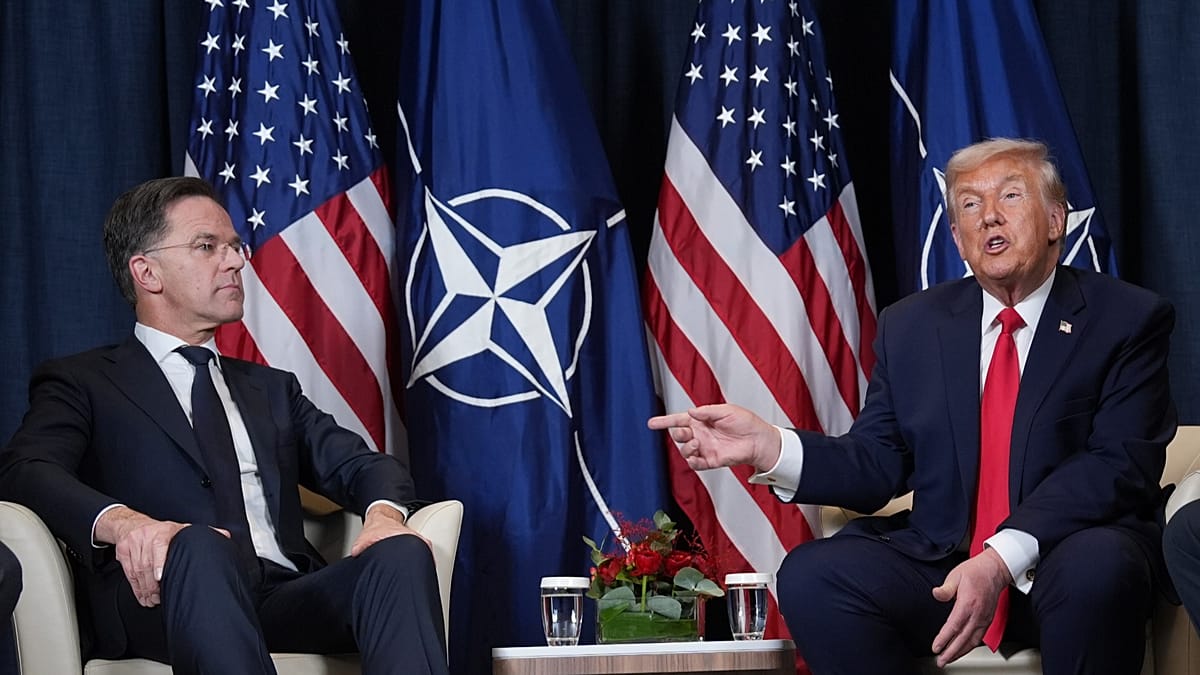
US withdraws long-range military capabilities from NATO

By staffJune 12, 20263 Mins Read
US withdraws long-range military capabilities from NATO
Share
Facebook Twitter LinkedIn Pinterest Email

Published on 12/06/2026 – 16:22 GMT+2•Updated
16:30

The US is planning to withdraw access to deep strike capabilities for NATO allies as part of its wider plan to pull out of Europe’s security architecture.

The Trump administration informed NATO allies last year it would cut military assets available to Europe even during times of war or invasion, but until now, the details of exactly how the Pentagon intends to scale back access to such assets were unclear.

According to sources, everything linked to deep strike capabilities will be cut, Euronews has learned. Specifically, this includes US long-range bombers such as the B2 and B-52. Naval assets, including missile-launching submarine and aircraft carriers, will also be withdrawn and re-directed to other theatres.

According to reporting from the New York Times, the US is also planning on reducing the number of F-16 and F-15E fighter jets available to NATO from roughly 150 to 100 and maritime reconnaissance aircraft from 26 to 15, as well as withdrawing all eight aerial refuelling tanker jets previously available to Europe.

The significant changes to US commitments are being undertaken within NATO’s so-called Force Model system, which allows allies and military planners identify troops and capabilities available to NATO operations based on deterrence and threat assessment.

Confirming its plans, the US European Command said in a statement last week that it would “right size” its contributions to the NATO Force Model.

‘Paper tiger’

While senior NATO personnel have been planning for the downsizing of US assets available for Europe for several months, senior officials have publicly downplayed the implications, arguing that European allies are now contributing far more to the continent’s deterrence and will be able to compensate for gap left by the US.

“We know that adjustments will take place, the US has to pivot toward, for example, Asia,” Rutte told journalists last month.

However, the lastest announcement comes at a particularly difficult moment in US-NATO relations.

US President Donald Trump is still fuming at European allies’ refusal to join in the US and Israel’s war in Iran, issuing warnings that he will “remember” how countries such as Spain, Italy and France refused to allow US planes headed for Iran to use their airspace and bases on their territory.

“The solution would be to open the Strait of Hormuz,” Trump wrote on social media in March, complaining allies “don’t want to help” and warning that “Without the U.S.A., NATO IS A PAPER TIGER!”

“COWARDS,” he concluded. “We will REMEMBER!”

Since then, a coalition of NATO allies and other countries including South Korea and Australia have been formulating a strategy to reopen the strait once hostilities come to an end, with several countries sending frigates and personnel to the region for pre-positioning ahead of the war’s end – though it remains unclear when that might come.

Share. Facebook Twitter Pinterest LinkedIn Tumblr Email

Keep Reading

Saudi Arabia to pump €6 billion into building three theme parks near Paris

French election 2027: Poll puts Mélenchon in contention for run-off

Meloni made migrant ‘returns’ popular in the EU. Now the policy is backfiring on her

Hungary on track to unlock €10bn in EU funds before August reform deadline

Victims of abuse at youth care home to be compensated by Danish government

Ukraine’s robot and drone parade offers a glimpse of the future of war

As bitcoin soars people ask who is Giancarlo Devasini, Italy’s richest man?

Spain PM Pedro Sanchez convenes security council over Ceuta migrant crisis

European allies back Ukraine as country marks Independence Day without US envoys

Editors Picks

Burnham ups the ante in fight against Russia — and leaves Merz in the shade – POLITICO

August 24, 2026

French election 2027: Poll puts Mélenchon in contention for run-off

August 24, 2026

Saudi Arabia to invest €6B in massive French theme park site – POLITICO

August 24, 2026

Meloni made migrant ‘returns’ popular in the EU. Now the policy is backfiring on her

August 24, 2026

Subscribe to News

Get the latest Europe and world news and updates directly to your inbox.

Latest News

Trump threatens to double tariffs on Canadian vehicles to 50% after trade talks collapse

August 24, 2026

Mirapolis : l’Elysée et l’Arabie saoudite officialisent un investissement à six milliards

August 24, 2026

Hungary on track to unlock €10bn in EU funds before August reform deadline

August 24, 2026
Facebook X (Twitter) Pinterest TikTok Instagram
© 2026 Daily Guardian Europe. All Rights Reserved.
  • Privacy Policy
  • Terms
  • Advertise
  • Contact

Type above and press Enter to search. Press Esc to cancel.