



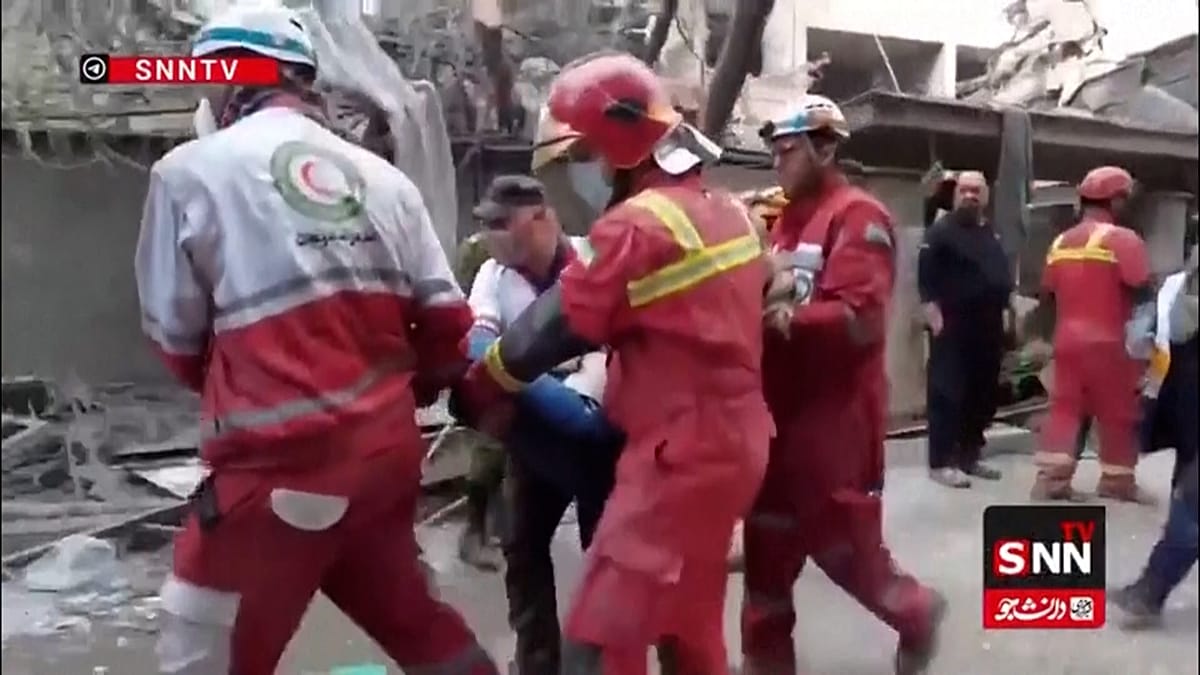


Trump said on his Truth Social site that the U.S. had not authorized the attack by Israel on the South Pars site, and that Israel had “violently lashed out,” raising questions about how much influence the U.S. has over its ally.
“My hope is that the United States will be able to understand that this has gone too far,” Guterres said.
The conflict was primarily benefitting Russia, Guterres added, with Moscow welcoming the distraction from its own war on Ukraine.
“Russia is the biggest beneficiary of the Iran crisis,” Guterres said. “Russia is the country that is gaining more with what’s happening in this horrible disaster. Russia is already the winner.”
Meanwhile, European leaders, including U.K. Prime Minister Keir Starmer and German Chancellor Friedrich Merz, have said they won’t be sending ships to the Persian Gulf in response to Trump’s appeal for help to open the Strait of Hormuz. France has said it will only contribute support vessels “when the situation is calmer.”
Guterres applauded the restraint shown by the Europeans, despite Trump’s anger at their refusal to actively support the war or help reopen the Strait of Hormuz, a critical maritime artery that Iran has largely sealed off, driving up global energy prices.
“I think these countries made their own reading of the situation, and I believe they took a decision not to get too much involved, knowing that the most important objective is the deescalation,” he said.
Listen to the full episode of EU Confidential on Friday morning.


