
Published on •Updated
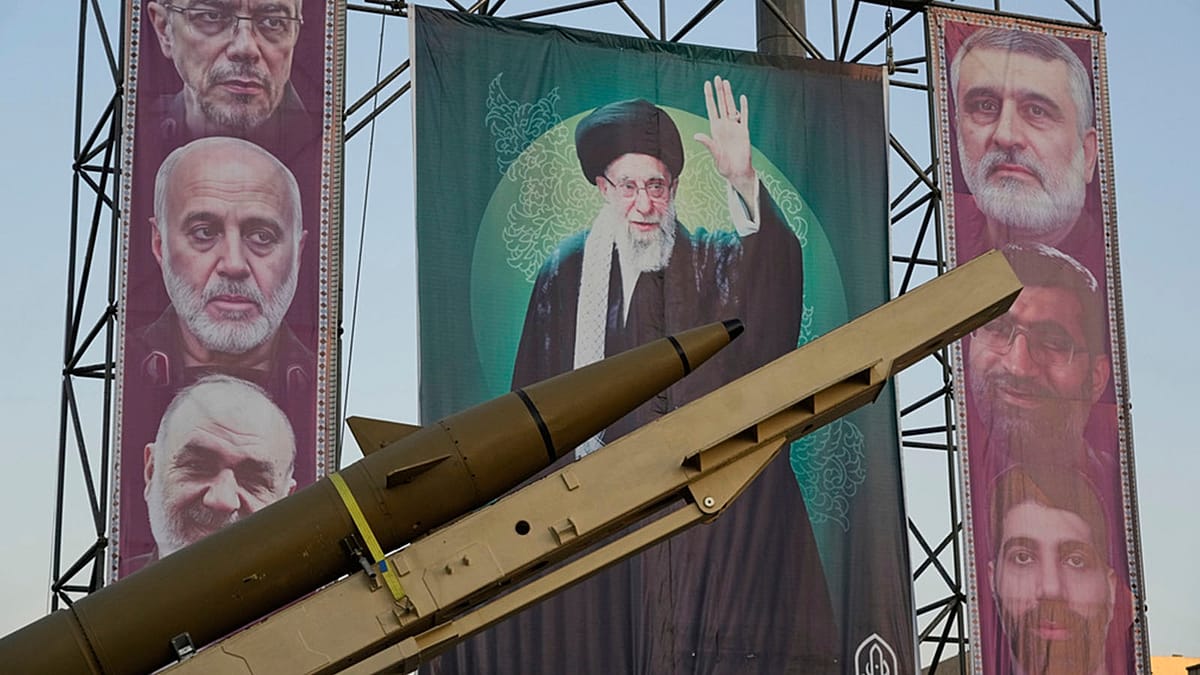
Iran’s foreign ministry rejected US President Donald Trump’s claims about its missile programme on Wednesday, calling them “big lies” hours before the third round of nuclear talks in Geneva.
“Whatever they’re alleging in regards to Iran’s nuclear programme, Iran’s ballistic missiles, and the number of casualties during January’s unrest is simply the repetition of ‘big lies’,” ministry spokesman Esmaeil Baghaei said on X.
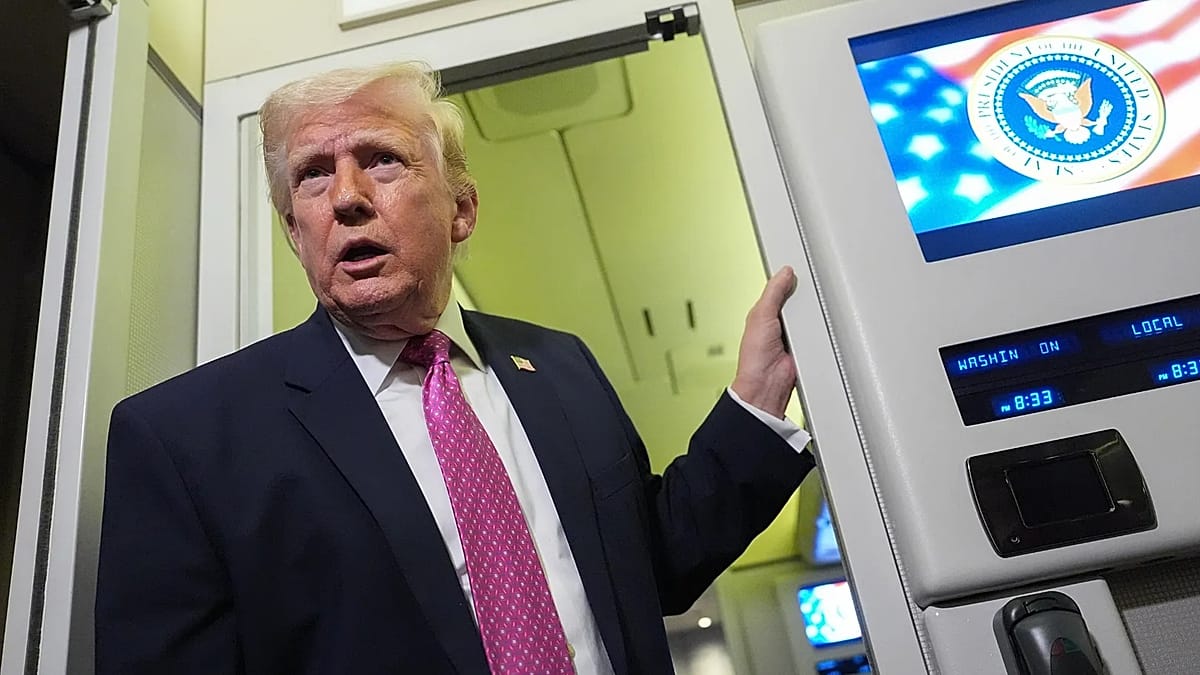
Trump claimed during his State of the Union address on Tuesday that Iran is developing long-range missiles capable of reaching US territory.
“They’ve already developed missiles that can threaten Europe and our bases overseas, and they’re working to build missiles that will soon reach the United States of America,” Trump said.
US intelligence assesses Iran is developing such missiles, but will need at least another decade to do it, according to US media reports. A Defence Intelligence Agency report published in January found that Iran could have 60 intercontinental ballistic missiles by 2035 if it decides to pursue the capability, The Hill reported.
Iran does not currently have intercontinental ballistic missiles, according to the DIA.
‘They were warned’
Trump also accused Iran of restarting its nuclear programme after US and Israeli strikes destroyed Tehran’s main facilities in June 2025.
“They were warned to make no future attempts to rebuild their weapons programme, in particular nuclear weapons, yet they continue starting it all over,” Trump said, calling Iran’s efforts “sinister nuclear ambitions”.
Iran has repeatedly denied seeking nuclear weapons and insists it has the right to use nuclear technology for peaceful purposes.
Trump claimed Iranian authorities killed 32,000 people during protests that started in December and peaked on 8 and 9 January.
The Iranian government said on 21 January that 3,117 people died during the unrest, including civilians and security forces. Officials blamed the deaths on “terrorist acts” fuelled by the US and Israel.
The US-based Human Rights Activists News Agency has verified more than 7,000 fatalities and is investigating nearly 12,000 other cases. Mai Sato, UN special rapporteur on human rights in Iran, said more than 20,000 civilians may have been killed.
Insiders in Iran have told Euronews in mid-January that the death toll was feared to have surpassed 30,000.
Verifying casualties remains nearly impossible after Tehran instituted a country-wide internet shutdown in January.
Talks continue under military pressure
Trump’s speech came before a third round of Oman-mediated talks scheduled for Thursday in Geneva between US envoys Steve Witkoff and Jared Kushner and Iranian officials.
“We are in negotiations with them. They want to make a deal, but we haven’t heard those secret words: ‘We will never have a nuclear weapon’,” Trump said.
“My preference is to solve this problem through diplomacy, but one thing is certain, I will never allow the world’s number one sponsor of terror, which they are by far, to have a nuclear weapon.”
Washington has called for zero uranium enrichment by Iran and wants Tehran to address its ballistic missile programme and support for militant groups in the region. Iran has rejected these demands.
Trump has deployed two aircraft carrier strike groups, dozens of warships, fighter jets and refuelling aircraft to the Middle East as talks continue.
Mohammad Bagher Ghalibaf, speaker of Iran’s parliament, said on Wednesday that Iran remained committed to negotiations but warned it would retaliate if Washington resorted to military action.
“If you choose the path of diplomacy – one in which Iranian dignity and mutual interests are respected – we will remain at the negotiating table,” Ghalibaf said.
“If your decision is to repeat what happened before … and to bomb the negotiating table while Iran is pursuing diplomacy under these conditions, then you will once again taste the strong blow of the Iranian nation and our defensive forces.”