



Published on
Following a summer of long queues, missed flights and border chaos, the EU’s emergency flexibility measures for its Entry/Exit System (EES) came to an end on Sunday (6 September).
The temporary rules allowed member states to suspend fingerprint and facial scans in exceptional circumstances to ease congestion.
Now, industry bodies are calling for the measures to be extended beyond September, warning that travellers could once again face lengthy delays at Europe’s borders.
The calls come following wait times rising to as long as five hours in July, according to the trade association Airports Council International (ACI).
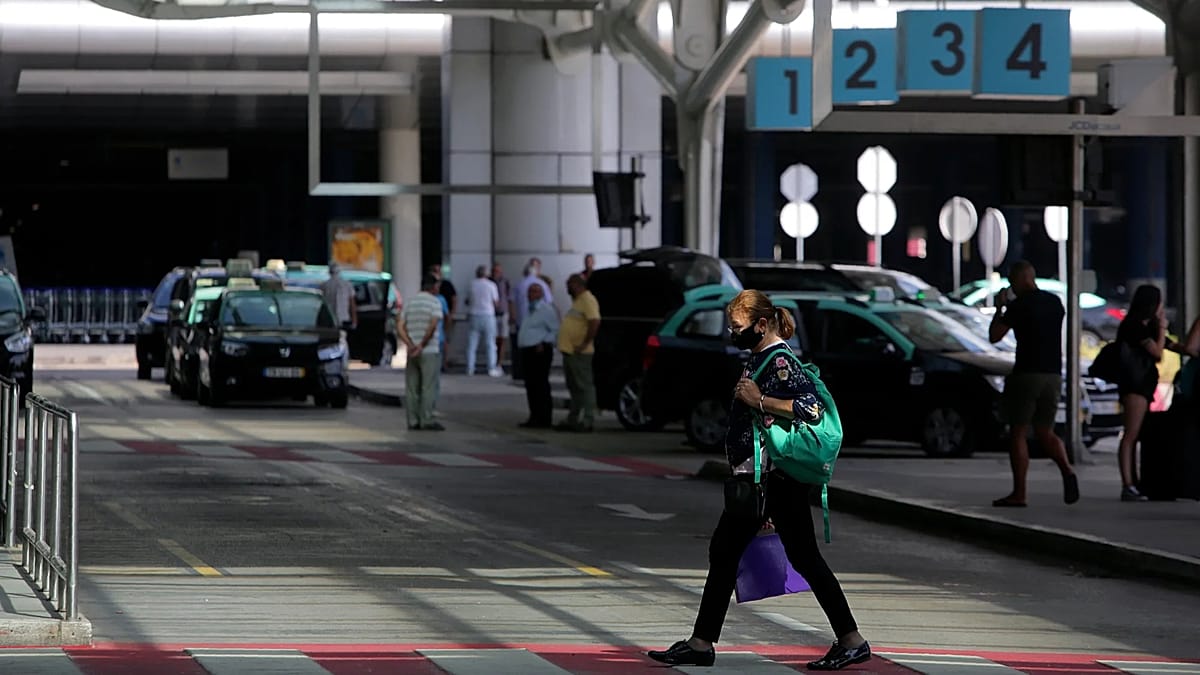
Lisbon, Milan, Rome and Krakow airports were particularly hard hit through the busy summer season.
Much of the disorder is down to malfunctioning kiosks, low staffing levels and general kinks in the system.
Representatives from Ryanair, Europe’s largest airline, have criticised EES since its launch in October last year and, this week, its chief operating officer, Neal McMahon, said: “the EU’s handling of EES has been a shambles from start to finish”.
“Airlines, airports and border authorities repeatedly warned Brussels that the rollout was not ready, that it would increase processing times and that it would create excessive queues for passengers. Those warnings were ignored, with EU citizens the ones delayed and disrupted,” McMahon added.
He insisted that the EU Commission should extend the EES flexibility until at least April 2027, adding that “passengers should not be made to pay the price for the EU’s failed EES rollout”.
Meanwhile, Matthew Pack, the CEO of Holiday Extras, has strongly criticised EES, saying: “Since the EU won’t say this plainly, we will. These border systems have failed… EES hasn’t worked”.
“That leaves two EU borders. There’s the one in the announcements, where EES runs smoothly, and ETIAS is on track. And there’s the one on the ground, the one holidaymakers actually queue at, haphazardly enforced by border guards, where everyone knows the truth: nothing here is working as planned,” he added.
“A system that needs this much quiet improvisation to function isn’t ready. The honest response is to say so, roll it back, and rebuild it properly.”
The criticism comes following a statement from the EU Commission, which implies that EES hasn’t been as much of a disaster as some insist it has been.
“The system has broadly worked well over the summer and, until 6 September, we have the possibility to temporarily suspend registration of biometrics in case of exceptional circumstances,” a Commission spokesperson said last week.
“We’re in close contact with those few member states where adjustments are needed.”