
Close Menu
Daily Guardian EuropeDaily Guardian Europe
  • Home
  • Europe
  • World
  • Politics
  • Business
  • Lifestyle
  • Sports
  • Travel
  • Environment
  • Culture
  • Press Release
  • Trending
What's On

Intercity bus crash in Turkey kills nine and injuring seven

February 1, 2026

The US reopens its mission in Caracas after 7 years of diplomatic rupture with Venezuela.

February 1, 2026

Web Summit Qatar 2026 opens to sold-out crowds as innovators and investors gather

February 1, 2026

Azerbaijan ships Russian grain to Armenia as part of peace agenda

February 1, 2026

Starmer aims to revive defense talks with EU – POLITICO

February 1, 2026
Facebook X (Twitter) Instagram
Web Stories
Facebook X (Twitter) Instagram
Daily Guardian Europe
Newsletter
  • Home
  • Europe
  • World
  • Politics
  • Business
  • Lifestyle
  • Sports
  • Travel
  • Environment
  • Culture
  • Press Release
  • Trending
Daily Guardian EuropeDaily Guardian Europe
Home»Culture
Culture

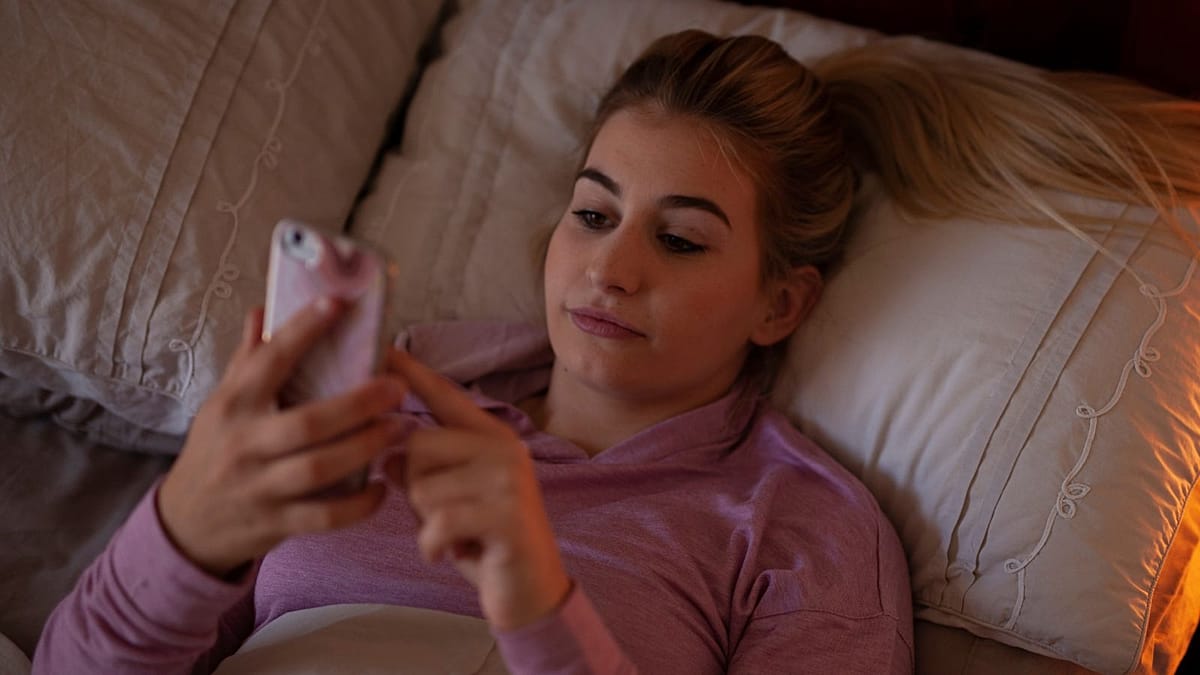
TikTok scrolling can cause ‘brain rot’ according to new American Psychological Association study

By staffNovember 24, 20252 Mins Read
TikTok scrolling can cause ‘brain rot’ according to new American Psychological Association study
Share
Facebook Twitter LinkedIn Pinterest Email

Published on
24/11/2025 – 15:52 GMT+1

Last year, ‘brain rot’ was crowned Oxford Dictionary’s Word of the Year, a term which captured concerns about the impact of consuming “excessive amounts of low-quality online content, especially on social media.”

Now, recent findings from the American Psychological Association confirm that brain rot is not only real and more than a memed side-effect: it’s a real neurocognitive syndrome that causes measurable damage.

The study, titled “Feeds, Feelings, and Focus: A Systematic Review and Meta-Analysis Examining the Cognitive and Mental Health Correlates of Short-Form Video Use”, directly ties short-form video content (SFV) from algorithm-driven platforms such as TikTok, Instagram Reels and YouTube Shorts to brain rot.

Researchers analyzed data from 98,299 participants across 71 studies, and discovered that the more short-form content a person watches, the poorer cognitive performance they had when it comes to attention and inhibitory control.

And the videos are being watched a lot, as the review shows that young people now average 6.5 hours per day online.

The study states: “According to this framework, repeated exposure to highly stimulating, fast-paced content may contribute to habituation, in which users become desensitized to slower, more effortful cognitive tasks such as reading, problem solving, or deep learning.”

Habituation stimulates the brain’s reward system which, according to the study reinforces habitual use, which can lead to “social isolation, lower life satisfaction, and even self-esteem and body image.” As if that wasn’t bad enough, increased use of the platforms is also tied to poorer sleep, increased anxiety, and loneliness.

In short, excessive exposure to low-quality digital content has a noticeable impact on how our brains function. The more you watch shorts on platforms like TikTok, the more your attention span is diminished, impacting your mental health and critical thinking in the process.

“Overall, these findings highlight the importance of understanding the broader health implications of SFV use, given its pervasive role in daily life and potential to impact health, behavior, and well-being,” researchers write.

“By synthesizing current evidence, this study provides a critical foundation for future research to explore understudied health domains (e.g., cognitive health, physical health) and offers insights to guide public discourse and the development of research-informed approaches for promoting more balanced engagement with SFVs.”

So, suspect you’re suffering from cognitive atrophy? Maybe give the dopamine feedback loop a rest and pick up a book. At least that’s what we’re trying.

Share. Facebook Twitter Pinterest LinkedIn Tumblr Email

Keep Reading

‘La Casa dei Grifi’: Inside one of Rome’s most ancient homes

Connecting cultures: ‘Journey to Ancient Greece’ exhibition makes second stop on tour of China

Gardening for life: Ildikó Enyedi’s new film Silent Friend examines ties between people and plants

For the love of Lemkos: Warhol, Nikifor and Nowosielski explored in new Warsaw exhibition

Video. ‘Macron effect’ boosts French eyewear designer

Defacing change: Afghan Resistance Museum reopens in Herat after Taliban dehumanise decorations

‘Schitt’s Creek’ and ‘Home Alone’ actor Catherine O’Hara dies aged 71

Video. Melania Trump premieres personal documentary ahead of global release

Susan Sarandon to receive the 2026 International Goya Award

Editors Picks

The US reopens its mission in Caracas after 7 years of diplomatic rupture with Venezuela.

February 1, 2026

Web Summit Qatar 2026 opens to sold-out crowds as innovators and investors gather

February 1, 2026

Azerbaijan ships Russian grain to Armenia as part of peace agenda

February 1, 2026

Starmer aims to revive defense talks with EU – POLITICO

February 1, 2026

Subscribe to News

Get the latest Europe and world news and updates directly to your inbox.

Latest News

French tech giant Capgemini to sell US subsidiary accused of providing services to ICE

February 1, 2026

Video. Latest news bulletin | February 1st, 2026 – Evening

February 1, 2026

Many dead and injured in Russian strikes as Zelenskyy announces Feb 4-5 talks in Abu Dhabi

February 1, 2026
Facebook X (Twitter) Pinterest TikTok Instagram
© 2026 Daily Guardian Europe. All Rights Reserved.
  • Privacy Policy
  • Terms
  • Advertise
  • Contact

Type above and press Enter to search. Press Esc to cancel.