


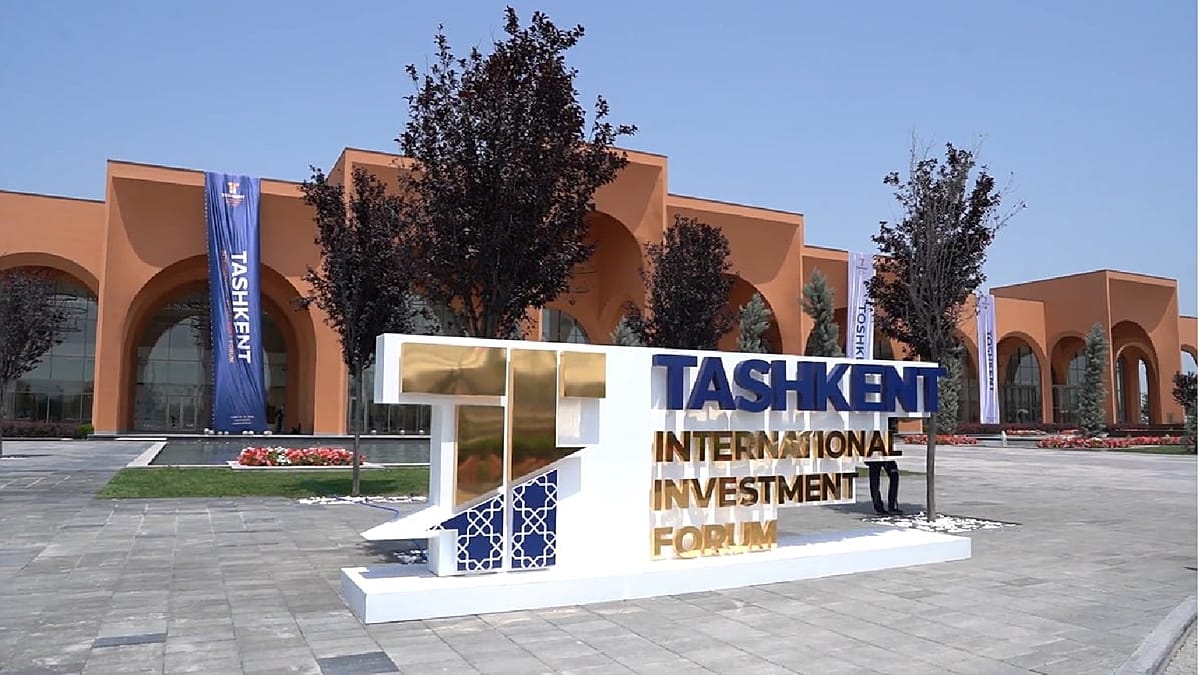
Investment projects worth about €75bn will be presented to international investors at the Tashkent International Investment Forum (TIIF) 2026, as Uzbekistan seeks financing across sectors including energy, transport, logistics, digital infrastructure and industrial development.
“We have prepared investment proposals with Uzbek businesses and regional authorities worth about €75 billion,” Laziz Kudratov, Uzbekistan’s Minister of Investments, Industry and Trade, said. “Eight pitch sessions will allow entrepreneurs to present directly to investors.”
More than 3,400 foreign delegates from 102 countries are expected to attend the forum from June 16 to 18, alongside government officials, development banks, sovereign wealth funds and multinational corporations representing more than $42 trillion (approximately €36.5 trillion) in combined assets.
The forum comes at a time when governments and businesses are reassessing supply chains, transport routes and access to critical resources. Against this backdrop, discussions in Tashkent are expected to focus on attracting long-term capital for projects across Uzbekistan and the wider Central Asian region.
Where investment is expected to flow
The projects being presented at TIIF 2026 span sectors that Uzbek officials and investors increasingly regard as strategic for long-term growth.
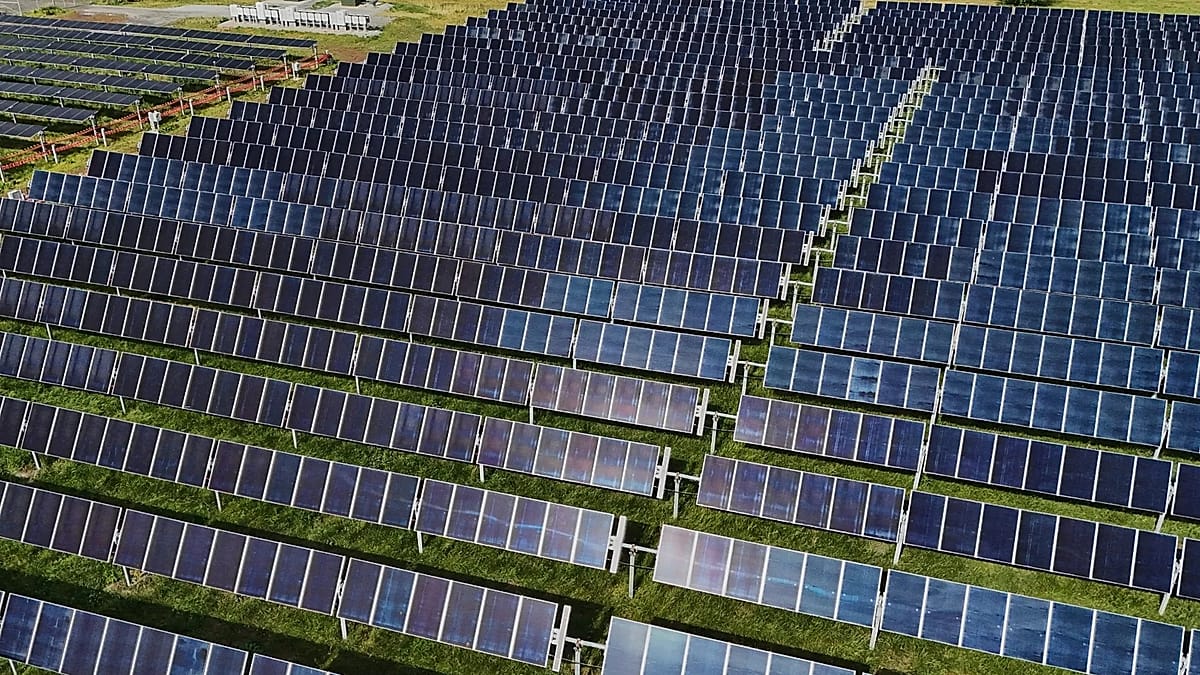
According to organisers, opportunities will be presented across energy, transport infrastructure, logistics, industrial development, digital infrastructure and advanced technologies. This year’s forum theme, “Investment Sustainability: New Horizons, New Partnerships”, places particular emphasis on critical raw materials, green energy, geological resources and artificial intelligence.
More than 3,000 foreign companies have been categorised according to sector and investment priorities through a digital platform designed to connect international investors with Uzbek businesses and local authorities.
The forum will also feature dedicated pitching sessions on light industry projects, geology and resources, electrical and mechanical engineering, and chemical manufacturing, enabling entrepreneurs and project developers to present investment opportunities directly to potential investors. Additional discussions will focus on Expanding Production: Value-Added Manufacturing and Export Competitiveness, Agribusiness and Food Security: Technology, Value Chains, and Export Growth, and Strengthening Health Systems and Promoting Innovation in Pharmaceuticals and Medical Technologies.
“We have created an online platform connecting international companies with Uzbek businesses and local authorities,” Akram Aliyev, Deputy Minister of Investments, Industry and Trade, said.
The forum will also serve as a test of how effectively investment commitments are converted into operational projects.
“In 2025 alone, Uzbekistan absorbed about €39 billion in investments, while around 35% of projects signed earlier are already in implementation,” Kudratov said.
Investors gather in record numbers
Organisers report a significant increase in participation compared with previous editions of the forum.
A total of 62 government delegations are expected to attend, up from 26 last year. More than 370 representatives from international financial institutions and development banks are also expected to participate.
The previous edition attracted more than 8,000 participants, including approximately 3,000 international delegates from 97 countries.
“These numbers demonstrate that our partners and investors have confidence in the region,” said Shokhrukh Gulamov, Deputy Minister of Investments, Industry and Trade.
The forum’s corporate participants include companies and institutions such as BlackRock, JPMorgan Chase, Visa, Masdar, Airbus and Meta.
Stronger US presence
A stronger American presence is expected this year, with more than 200 representatives from around 120 US companies scheduled to attend.
“In previous years, discussions often ended with unresolved financing issues,” Aliyev said. “This year, the Chairman of the US Export-Import Bank and the head of the US International Development Finance Corporation are expected.”
The expanded US participation reflects growing interest from American institutions in investment opportunities across Central Asia.
Mobilising capital for regional projects
Beyond individual investment agreements, TIIF 2026 is expected to focus on projects that extend beyond national borders and require long-term financing from multiple partners.
“We intend to present not only Uzbekistan’s projects but also major regional initiatives and attract investment jointly with our neighbours,” Gulamov said.
Among the initiatives expected to feature in discussions are hydropower developments involving Uzbekistan, Tajikistan and Kyrgyzstan, cross-border electricity connections linking Central Asia with the South Caucasus, the China-Kyrgyzstan-Uzbekistan railway and the Trans-Afghan transport corridor.
Discussions are also expected to focus on the Middle Corridor, dry ports and intermodal logistics hubs as governments and businesses seek to improve trade links between Asia, the Middle East and Europe.
“Large-scale regional projects require substantial financing, and sovereign funds can play a decisive role,” Gulamov said.
Participants are expected to include representatives from the Oman Investment Authority, Standard Chartered, Citibank, JPMorgan Chase and the Bank of China.
Reforms on the agenda
Alongside investment discussions, TIIF 2026 will provide a platform for dialogue on regulatory reforms aimed at improving the business environment and expanding financing options for investors.
The Fourth Plenary Session of the Foreign Investors Council will bring together 75 major international companies operating in Uzbekistan. More than 120 proposals have been submitted ahead of the meeting, covering areas such as taxation, legislation and land-use regulation.
Following the discussions, officials say a roadmap for reforms will be adopted.
Among the measures expected in the coming weeks is legislation establishing the Tashkent International Financial Centre. Officials have said the legislation is expected before the end of June.
A revised Special Economic Zones law and draft legislation covering alternative investment instruments are also under consideration.
The proposed reforms are expected to introduce new mechanisms associated with venture capital and private equity while broadening financing options available to businesses and investors.
For Uzbekistan, the forum offers an opportunity to showcase both investment projects and planned regulatory reforms. For investors, the key question will be how many of the discussions taking place in Tashkent ultimately translate into financing agreements, new partnerships and projects on the ground.