
Published on
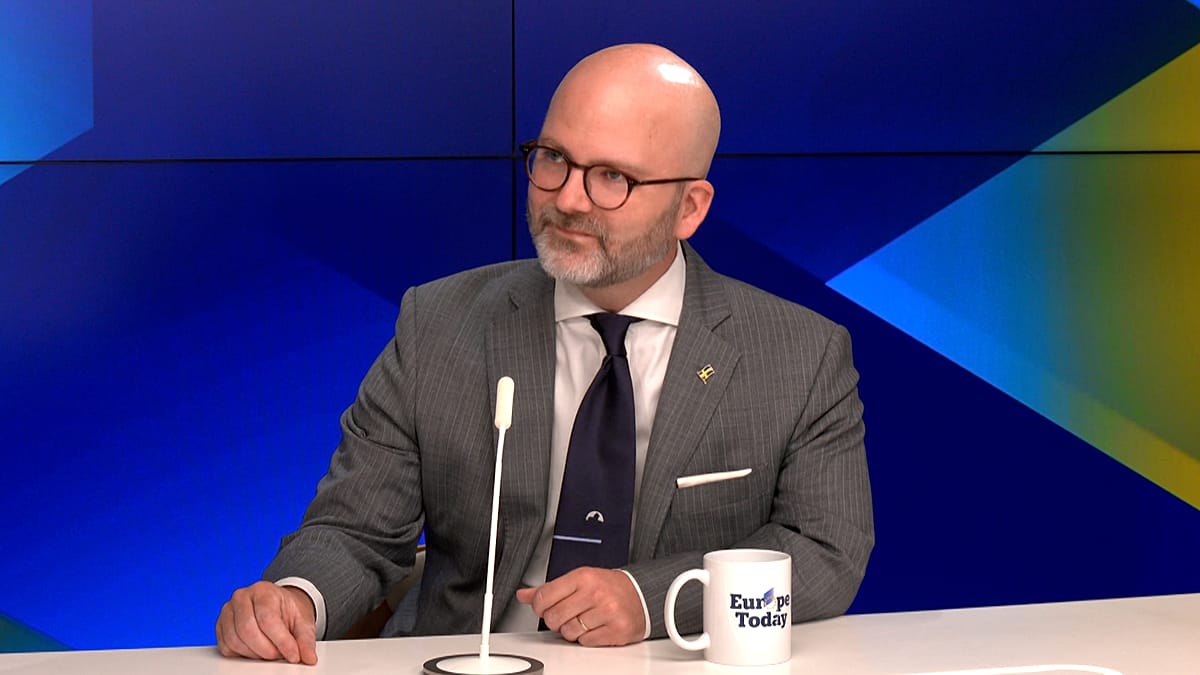
The “era of deportations” has begun in the European Union, according to Charlie Weimers, a Swedish conservative MEP and one of the negotiators of the bloc’s strictest-ever migration law, which was agreed on Monday and marked the most significant shift in the EU’s migration policy in decades.
Speaking to Euronews’s Europe Today show, Weimers — who is a member of the European Conservatives and Reformists group — said the new rules will lead to a significant change in migration management.
“We’re moving from words to actual enforcement of our laws and our borders,” he said.
The new law includes home searches to find irregular migrants, longer detention periods and entry bans to prevent them from absconding, and the possibility of building controversial deportation centres, called return hubs, outside Europe.
“Hundreds of thousands of people are going into the shadows every year in Europe and that needs to stop,” Weimers said, underlining how nowadays only a small part of migrants with no legal right to remain in Europe actually leave the EU.
The next steps for EU countries are to identify non-EU states willing to host deportation centres on their territory and to persuade countries of origin to take back their own citizens, which has so far been the main obstacle to enforcing returns.
“We are going to use trade, [humanitarian] aid, visa policy to get those countries to take back their citizens,” Weimars said, confident in the EU’s leverage to persuade foreign governments.
Asked about possible human rights breaches, as migrants—including families with children—are deported to countries with which they have no connection, Weimars said: “If we are talking about human rights, that includes the right of Europeans to live in safe societies governed by the rule of law.”