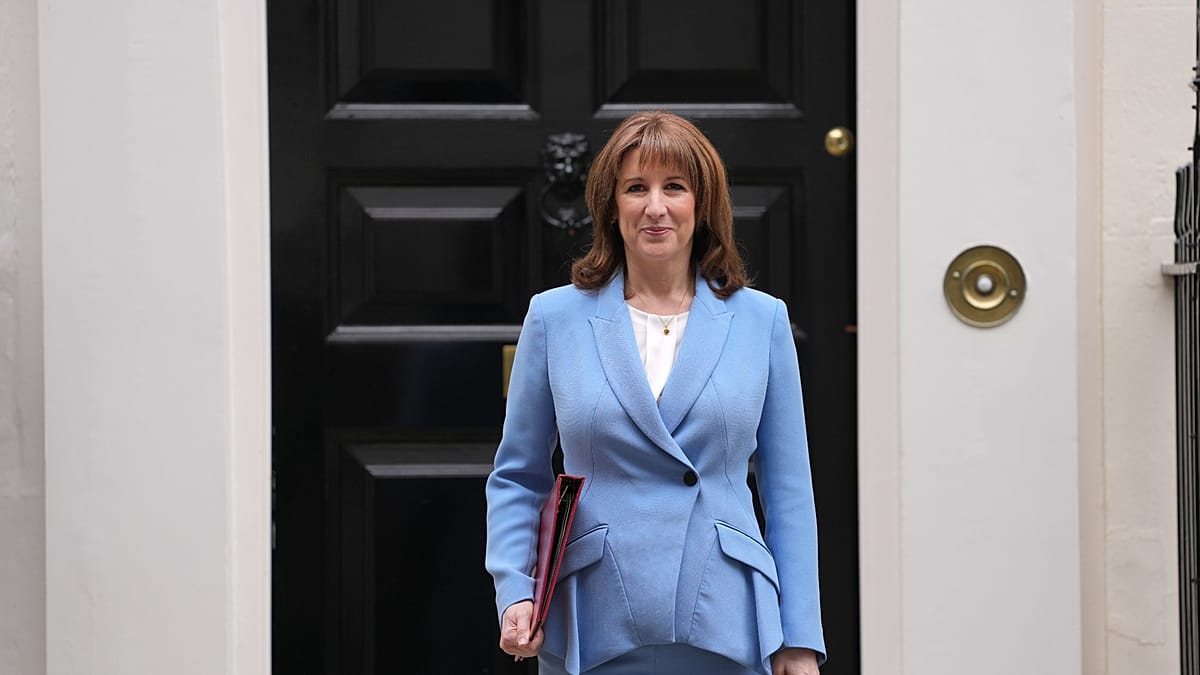
Presenting the latest economic forecasts compiled by the Office for Budget Responsibility (OBR), Britain’s Chancellor of the Exchequer, Rachel Reeves, insisted the plan she has pursued since Labour returned to power in the 2024 general election is beginning to deliver results.
This despite the OBR, the government’s independent fiscal watchdog, downgrading its growth forecast for 2026 to 1.1%, down from the 1.4% expansion projected in the Autumn Budget just three months ago.
The UK GDP is also projected to be stronger than previously anticipated in 2027 and 2028, at 1.6%. Inflation and government borrowing are also forecast to fall more quickly than earlier expected, Reeves said in her Spring statement.
“The forecasts today confirm that the choices this government has made are the right ones,” she told MPs.
However, the forecasts were finalised before the outbreak of conflict in the Middle East and the OBR cautioned that any escalation could have “very significant impacts on the global and UK economies”.
Economists warn that a prolonged conflict involving Iran could quickly render the projections outdated, dampening growth, pushing up inflation and increasing public debt.
Most strikingly, the price of Brent crude — the international benchmark — has jumped by more than 15% this week to above $80 a barrel.
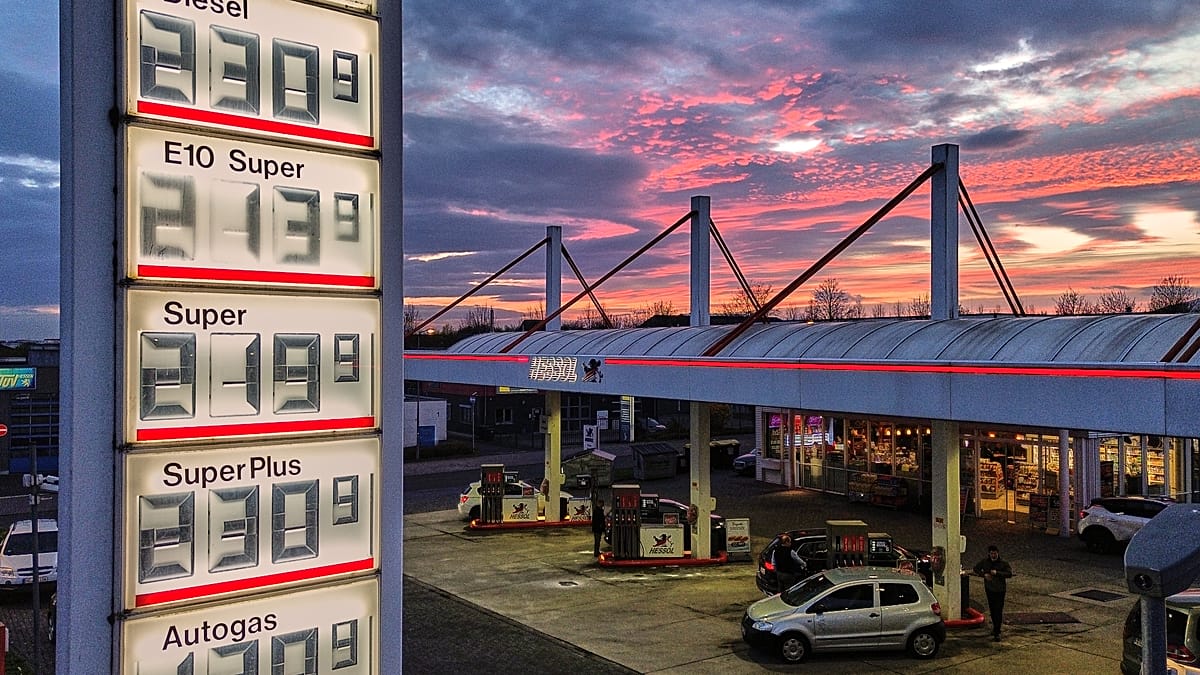
Global gas prices, on which the UK remains heavily reliant, have nearly doubled. If sustained, such increases would feed through into higher energy bills for businesses and households, adding to inflationary pressures and constraining growth.
Reeves opened her speech by acknowledging that the world had become “yet more uncertain” in recent days following the decision by the United States and Israel to launch strikes on Iran, which resulted in the death of Supreme Leader Ayatollah Ali Khamenei and other senior figures.
“It is incumbent on me and on this government to chart a course through that uncertainty, to secure our economy against shocks and protect families from the turbulence we see beyond our borders,” she said.
Labour, which has seen its support erode since its 2024 election victory, had hoped that 2026 would mark a turning point, with clear evidence that the economy was on a firmer footing after years of stagnation.
Recent data points to a modest pickup in activity in the early part of the year. Inflation is expected to fall sharply in the coming months, potentially paving the way for further interest rate cuts.
Last month, the Bank of England left its main rate unchanged at 3.75%.